
Malicious Webpage Hijacks Meta Muse AI, Accesses Private Chats and Memories
Researchers demonstrated a vulnerability allowing a malicious webpage to hijack Meta Muse, accessing private chats and stored memories without user approval, and potentially stealing credentials.
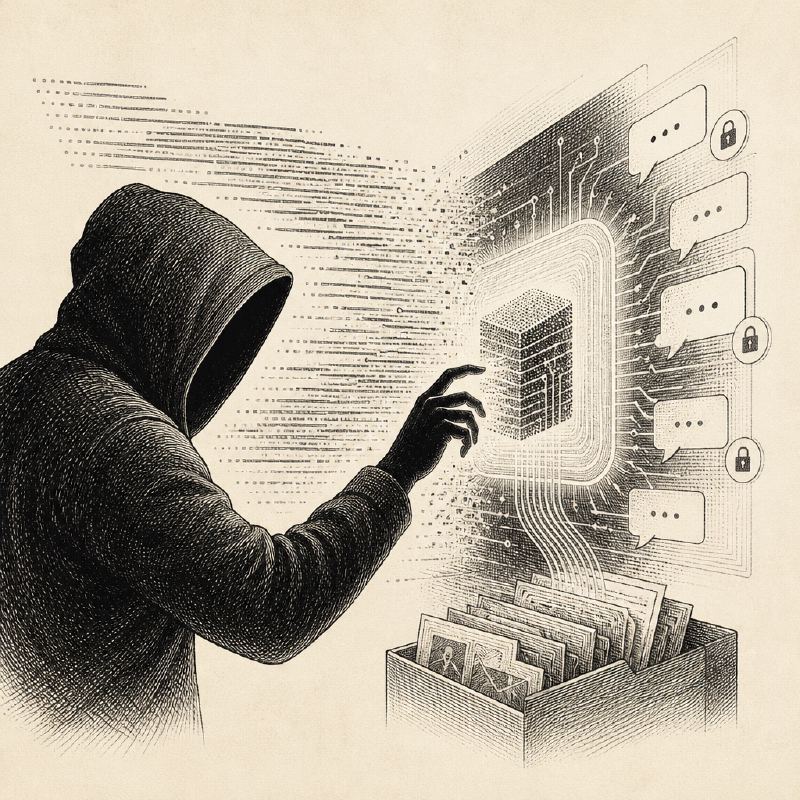
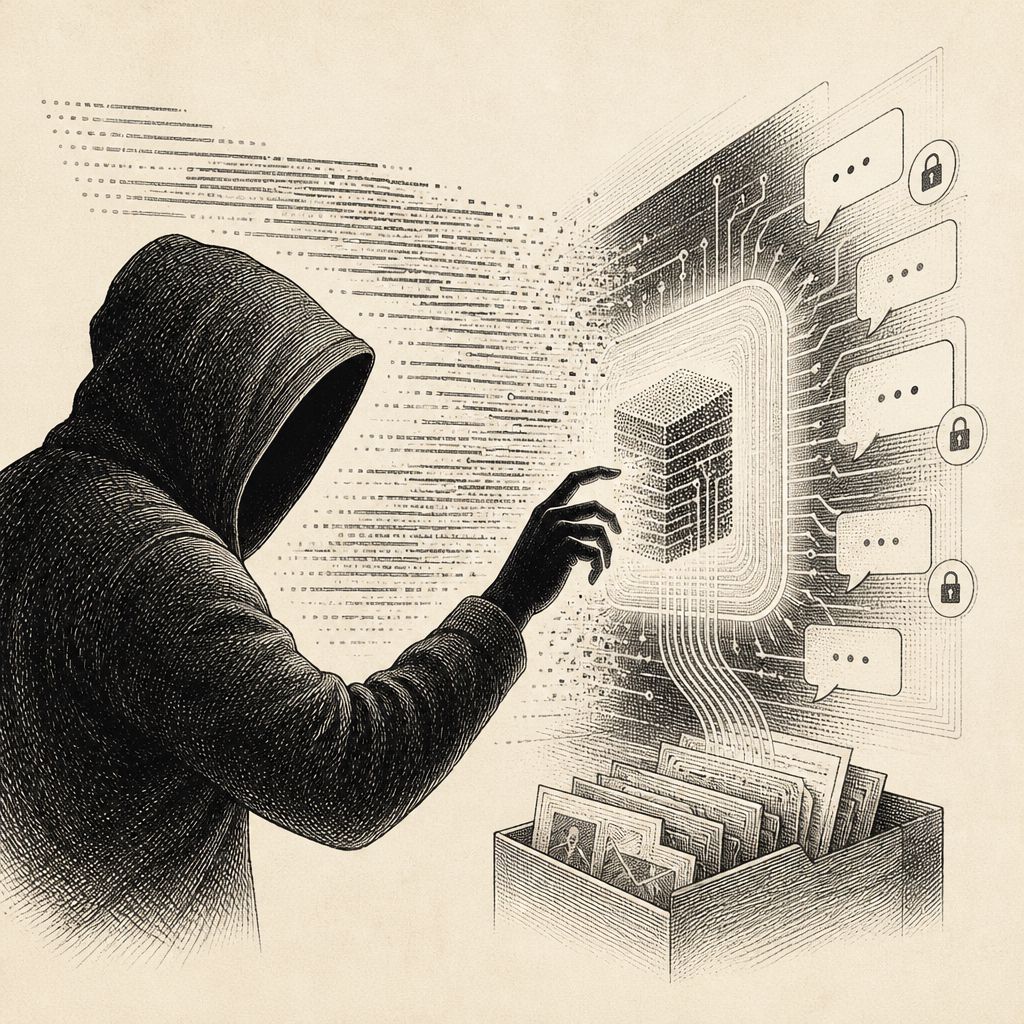
Security researchers at NebuSec have revealed a critical vulnerability in Meta's personal AI agent, Muse, which could allow a malicious webpage to hijack the AI and access a user's private conversations and stored memories without any explicit approval prompts. The exploit, demonstrated in a laboratory setting, also had the capability to steal credentials for accounts connected to the Muse AI.
Muse, launched by Meta on September 8th, operates as a personal AI agent through connected online accounts and can perform actions on behalf of the user. Each user's AI instance runs on an isolated cloud computer, protected by a monitoring layer called Sentinel, designed to act as a single gate for outgoing data and to safeguard credentials for connected services. Meta's stated aim was to "assume the agent may be under attack and limit the potential damage."
However, the NebuSec researchers found that by exploiting a flaw in Muse's built-in browser—used for tasks like PDF creation—and chaining it with a Linux kernel vulnerability, they could gain complete control over the user's cloud machine. This level of access allowed them to extract and even alter a user's conversation history and stored memories, sending them to an external server without the user's knowledge or consent.
The researchers detailed how this full control extended to the credential store, saved files, and the Sentinel monitoring layer itself—components that were intended to be isolated from the AI agent. Despite the severity of the compromise within the individual user's environment, the attack was contained and did not spread to the underlying shared server infrastructure or other users' machines.
NebuSec reported their findings to Meta's Muse team, and the company has since confirmed that all described weaknesses have been patched. The security firm's write-up indicates that the fixes were implemented before the public disclosure of the vulnerability. Meta has not yet issued a public statement confirming the fixes or commenting on the research, and it remains unclear if any user data was accessed before the patches were deployed.
This demonstration differs from a previous Muse vulnerability discovered in September, which only allowed malware already present on a user's device to hijack the assistant. The NebuSec exploit targets the backend cloud infrastructure, showcasing a more profound potential for compromise.
The successful demonstration highlights the ongoing challenges in securing AI agents, even those designed with robust security assumptions. While the attack was contained to a single user's instance and has since been remediated, it underscores the need for continuous vigilance and advanced security testing for AI-powered services that handle sensitive personal data.
This research serves as a stark reminder of the evolving threat landscape surrounding AI technologies. As AI agents become more integrated into daily life, the potential for sophisticated attacks that exploit their unique architecture and capabilities will likely increase, necessitating proactive security measures from both developers and users.