
MailEnable Vulnerability Allows Arbitrary File Creation via Directory Traversal
A directory traversal vulnerability in MailEnable, assigned CVE-2026-114556, allows unauthenticated remote attackers to create arbitrary files on affected systems.
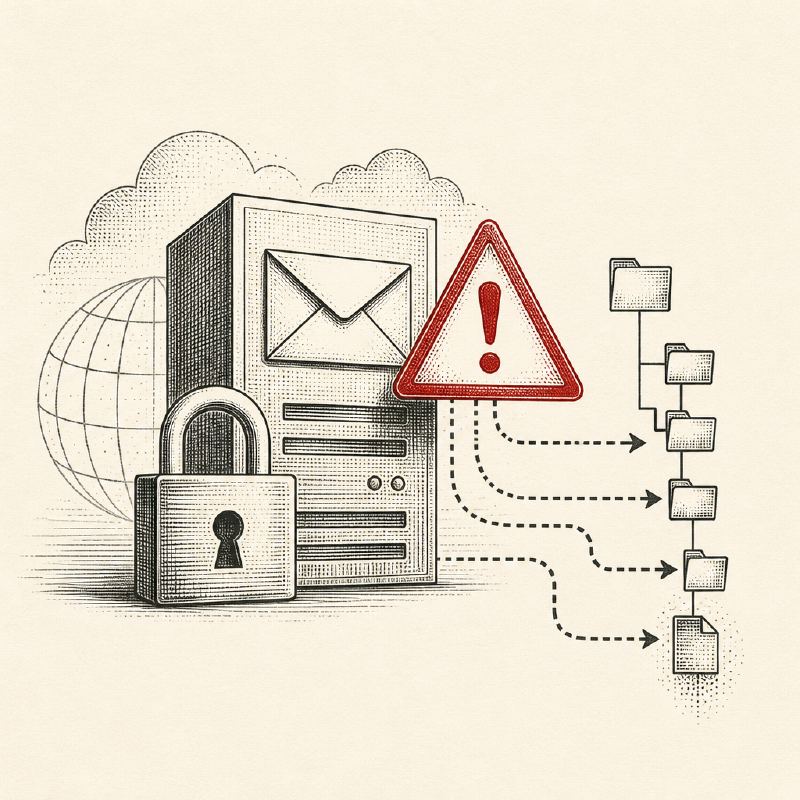
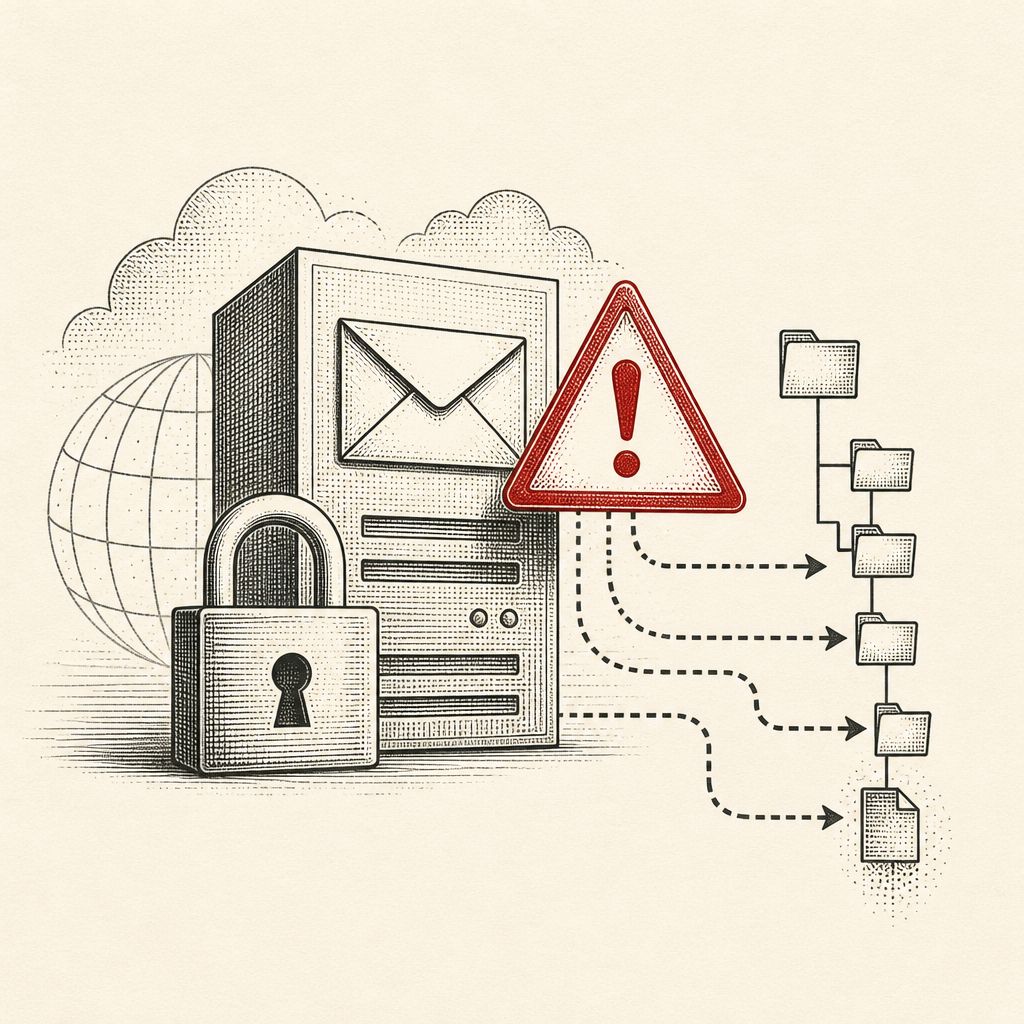
A critical directory traversal vulnerability has been identified in MailEnable, a popular email server software. The flaw, tracked as CVE-2026-114556, permits remote attackers to create arbitrary files on vulnerable installations without requiring any authentication.
The vulnerability stems from an improper validation of user-supplied path data within the 'Save' method of the software. This oversight allows an attacker to manipulate file paths, effectively traversing directories and writing files to unintended locations on the server. When combined with other potential vulnerabilities, this could pave the way for attackers to execute code in the context of the SYSTEM user, granting them complete control over the affected machine.
The Zero Day Initiative (ZDI), which disclosed the vulnerability, assigned it a CVSS score of 7.4, indicating a high severity. The advisory highlights that no authentication is needed to exploit this flaw, significantly lowering the barrier to entry for potential attackers.
MailEnable has addressed this vulnerability by releasing version 10.60 of its software. Users are strongly advised to update to this latest version to mitigate the risk. The release notes for the premium version, which include the fix, can be found on the MailEnable website.
The disclosure timeline indicates that the vulnerability was reported to the vendor on September 18, 2026. Following coordinated public release efforts, the advisory was made available on November 4, 2026, with an update to the advisory also occurring on the same date.
This vulnerability was discovered and reported by Nicolas Chatelain. The coordinated disclosure process ensures that vendors have adequate time to develop and release patches before the vulnerability becomes widely known, thereby reducing the window of opportunity for exploitation.
This discovery underscores the ongoing need for diligent security practices in email server software. Directory traversal and arbitrary file creation vulnerabilities can have severe consequences, potentially leading to complete system compromise. Organizations relying on MailEnable should prioritize patching to protect their infrastructure from this threat.