
Lookout Launches AI-Powered Mobile Protection Against Smishing and Vishing
Lookout introduces Social Engineering Protection (SEP) to combat AI-driven mobile threats like voice cloning and advanced smishing, filling a gap left by traditional security measures.
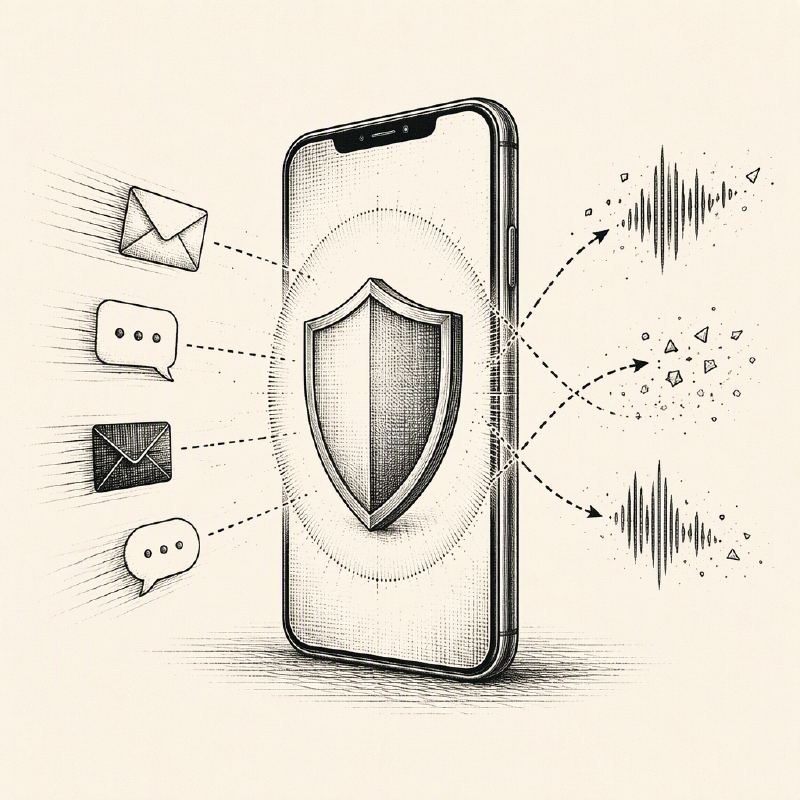
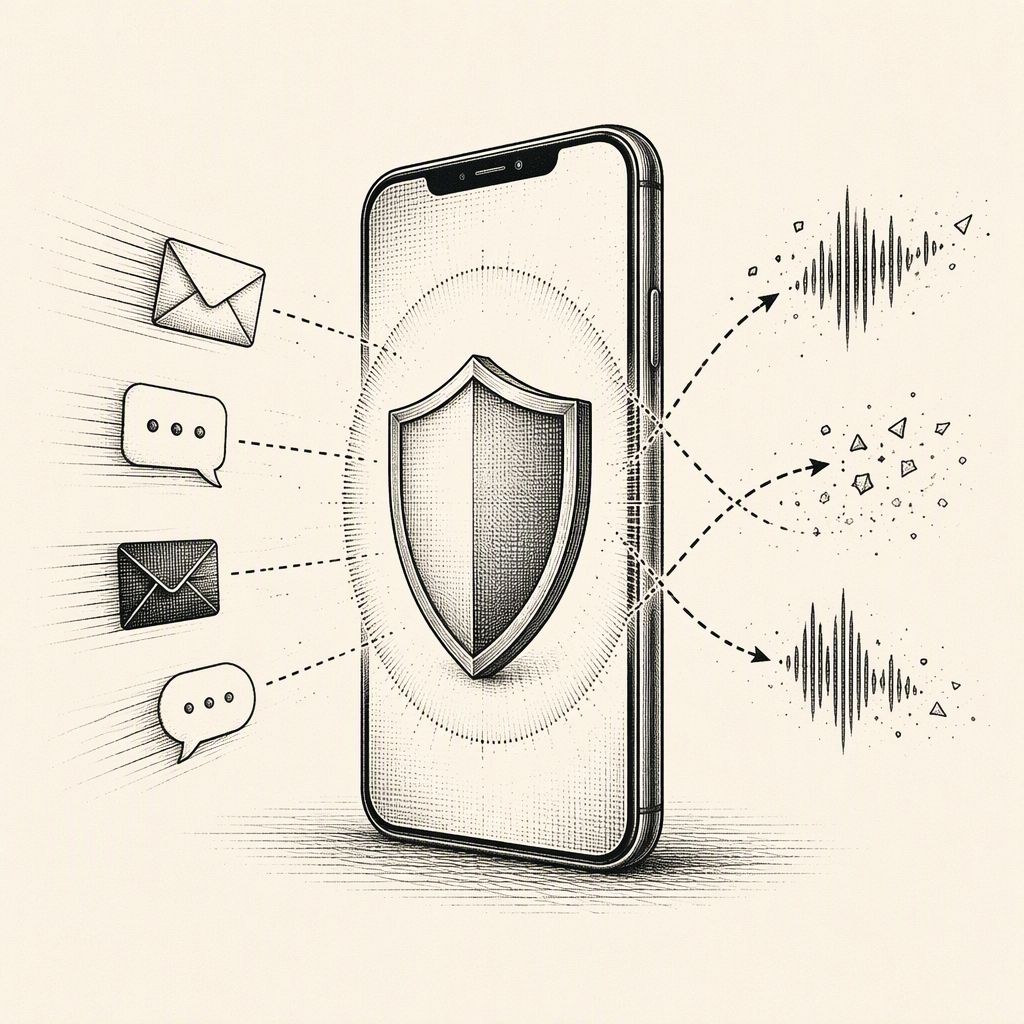
Lookout has unveiled its new Social Engineering Protection (SEP) module, integrated into its Mobile AI Security Platform. This new offering is designed to provide real-time, automated defenses against sophisticated AI-powered mobile threats, including advanced forms of smishing (SMS phishing) and vishing (voice phishing), as well as the increasingly prevalent threat of voice cloning.
The rise of frontier AI technologies has dramatically lowered the barrier for attackers to craft highly convincing and personalized social engineering attacks. These advanced AI models can generate context-aware messages tailored to individual targets and employ realistic voice cloning and deepfake technologies to impersonate trusted individuals such as executives, colleagues, or IT support staff. This makes it exceptionally challenging for employees to discern legitimate communications from malicious ones, especially as critical business interactions increasingly occur over mobile channels like SMS, voice calls, and messaging apps.
Traditional security defenses, such as email security gateways and security awareness training, are proving insufficient against these evolving threats. Email security primarily focuses on a single channel and often relies on detecting known malicious links or attachments, while awareness training places the burden on employees to identify increasingly sophisticated attacks. Neither approach is equipped to handle the speed, scale, and personalization of AI-driven deception that spans multiple mobile communication vectors.
Lookout's Social Engineering Protection module aims to address this critical gap by offering an omnichannel defense strategy. It continuously analyzes the intent, context, and authenticity of mobile interactions in real time, providing a more robust layer of protection. Praveen Mamnani, Chief Product Officer at Lookout, stated that frontier AI has fundamentally altered the economics of cyber offense, making advanced social engineering accessible to a wider range of attackers and necessitating new defense paradigms.
The SEP module provides multi-channel protection across both text and voice communications. For smishing, it continuously analyzes incoming SMS, MMS, and RCS messages on both iOS and Android devices to detect malicious links, phishing attempts, and suspicious intent. In the realm of vishing, SEP analyzes audio and voicemail to identify AI-generated voice clones and deepfakes, while also transcribing conversations to detect suspicious patterns and scam tactics.
Furthermore, the platform incorporates phone number authentication and centralized call blocking capabilities. By leveraging mobile identity signals and phone number attributes, SEP can distinguish legitimate callers from those exhibiting suspicious characteristics. This allows organizations to implement risk-based controls and centrally block known or suspicious numbers across their mobile workforce, adding another layer of defense against voice-based attacks.
With the introduction of SEP, Lookout solidifies its Mobile AI Security Platform around three core pillars of mobile risk: AI usage and data exposure, mobile software vulnerabilities, and AI-powered human manipulation. The platform now offers AI visibility and governance to control employee interactions with AI applications, a mobile software exposure center (MSEC) to identify vulnerable components in mobile apps, and SEP to protect users from AI-driven deception across text and voice channels.
This comprehensive approach from Lookout signifies a crucial step in adapting cybersecurity defenses to the rapidly evolving landscape of AI-driven threats. By focusing on real-time analysis and multi-channel protection, SEP aims to mitigate the growing risks associated with sophisticated social engineering tactics that exploit human trust through advanced AI capabilities.