
'Living Off the Plant' OT Attacks Pose Physical Safety Risk
Attackers are increasingly using 'living off the plant' tactics to compromise industrial control systems, posing significant physical safety risks by abusing native OT functionality.
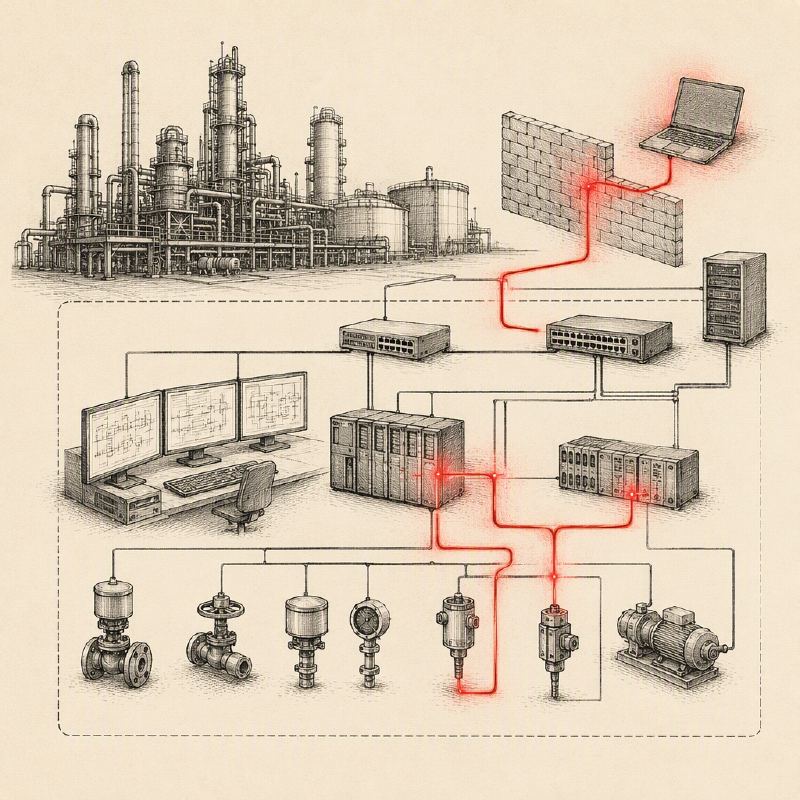
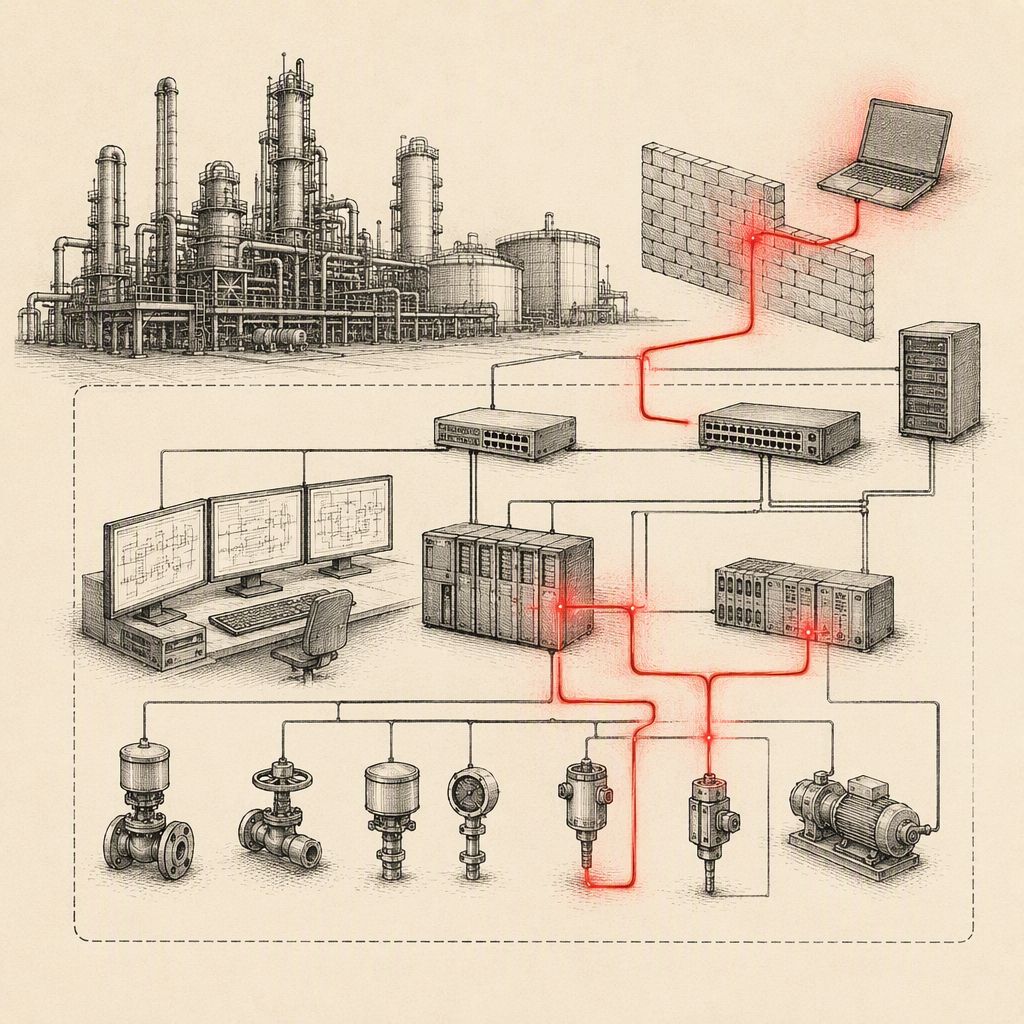
Cyber threat actors are evolving their tactics to target operational technology (OT) environments with a new stealthy approach dubbed 'living off the plant.' This method, detailed by Orange Cyberdefense, involves abusing the native functionality built into OT infrastructure, such as programmable logic controllers (PLCs), human-machine interfaces (HMIs), and SCADA systems. Unlike 'living off the land' tactics used in IT environments, which leverage native system management tools, 'living off the plant' directly manipulates the core functions of industrial control systems.
This sophisticated technique allows attackers to blend seamlessly with legitimate operational activities, making detection exceptionally difficult. By operating within the expected parameters of OT systems, threat actors can achieve stealthy lateral movement across industrial networks. This capability is crucial for enabling advanced cyberespionage campaigns or executing disruptive attacks that can have tangible real-world consequences.
The primary concern with 'living off the plant' is the potential for significant physical safety risks. Ric Derbyshire, principal security researcher at Orange Cyberdefense, highlighted that traditional IT-centric attack methods often fall short of causing the specific, impactful cyber-physical effects seen in OT environments. "You almost need to be able to use the engineering-native functionality of the environment," he stated, emphasizing the unique threat posed by this approach.
Beyond stealth and lateral movement, the abuse of native OT functionality can lead to direct control manipulation. This could result in dangerous operational states, equipment damage, or even harm to personnel. The ability to directly influence physical processes through the compromised OT systems represents a severe escalation in the potential impact of cyberattacks on critical infrastructure.
Furthermore, the research suggests that artificial intelligence tools could accelerate these OT intrusions. Sophisticated threat actors who already possess the necessary engineering knowledge could leverage AI to automate and optimize their 'living off the plant' attacks, increasing their speed and effectiveness. This convergence of AI and specialized OT knowledge presents a formidable challenge for defenders.
To counter this emerging threat, Orange Cyberdefense recommends a focus on essential cyber hygiene practices. These include implementing multifactor authentication, enforcing the principle of least privilege access, and strictly restricting access to sensitive engineering information. These foundational security measures are critical for slowing down attackers and reducing the attack surface within OT environments.
The 'living off the plant' methodology underscores a critical shift in the threat landscape for industrial control systems. It moves beyond traditional IT vulnerabilities and targets the very core of how these systems operate, demanding specialized defenses and a deeper understanding of OT-specific attack vectors. The potential for physical disruption and safety hazards makes this a paramount concern for critical infrastructure operators worldwide.