
Linux Kernel BPF Local Storage Race Condition Allows Privilege Escalation
A race condition in the Linux Kernel's BPF local storage mechanism, ZDI-26-1007, allows local privilege escalation for attackers with prior high-privileged code execution.
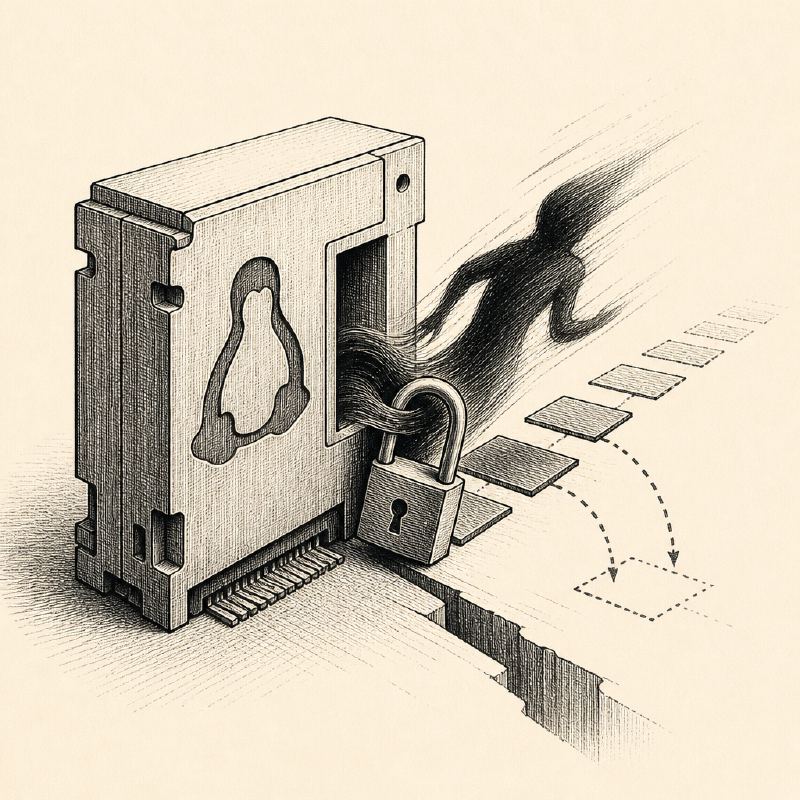
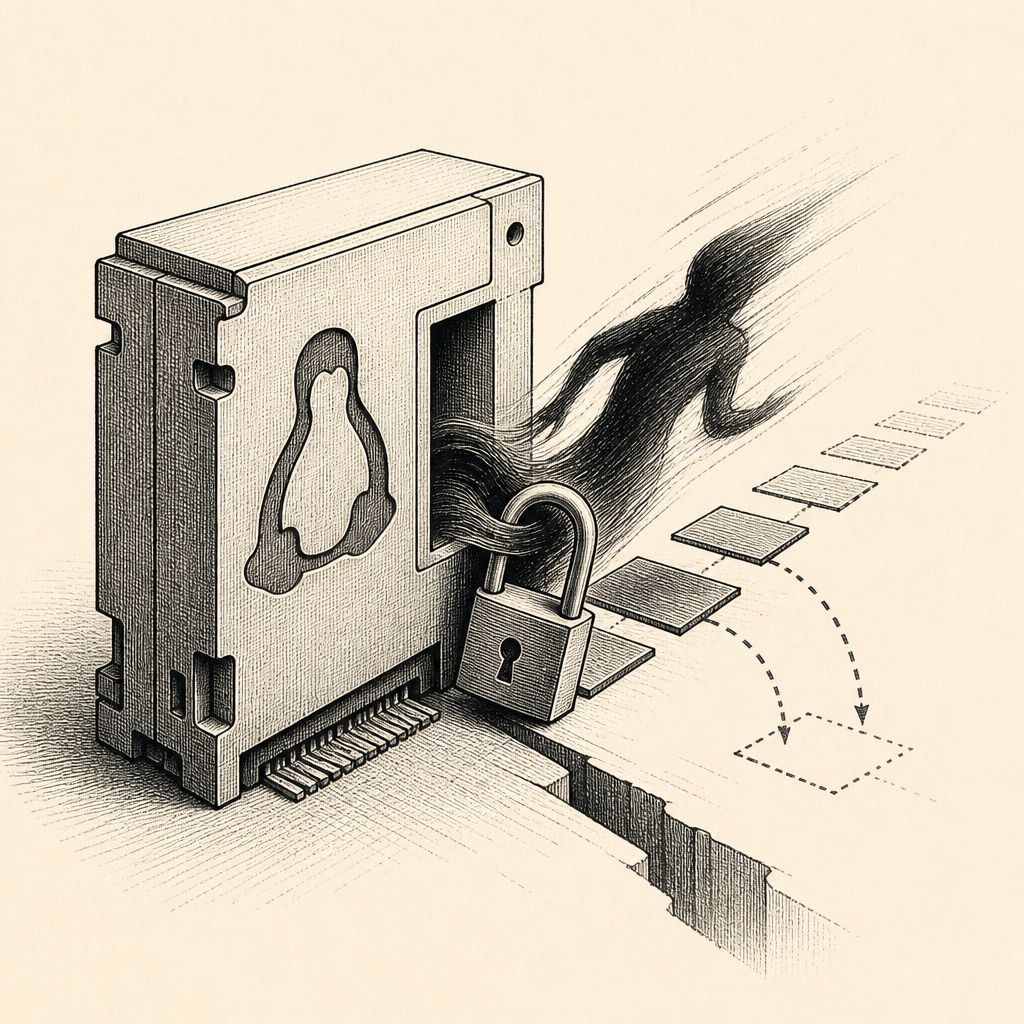
A newly disclosed vulnerability in the Linux Kernel, identified as ZDI-26-1007, presents a local privilege escalation risk for systems utilizing the Berkeley Packet Filter (BPF) subsystem. The flaw stems from a race condition within the handling of BPF local storage elements, where operations on these objects lack proper locking mechanisms. This oversight allows an attacker who has already gained high-privileged code execution on a target system to further escalate their privileges and execute arbitrary code within the kernel's context.
The Zero Day Initiative (ZDI), which coordinated the public release of this advisory, has assigned a CVSS score of 7.5 to this vulnerability, indicating a significant security risk. The prerequisite of already possessing high-privileged code execution means this vulnerability is not directly exploitable by unauthenticated remote attackers. However, for an attacker who has already compromised a system to a certain level, this flaw provides a pathway to achieve full kernel-level control.
The vulnerability specifically targets the bpf_local_storage_elem objects. These objects are used to store data local to a specific BPF program instance. The absence of adequate locking during operations on these elements means that concurrent access or modification by different processes or threads could lead to an inconsistent state, which an attacker can then manipulate to their advantage. This manipulation can result in the attacker overwriting critical kernel data structures or executing malicious code.
Linux has already issued an update to address this vulnerability. The fix, detailed in a commit to the Linux kernel repository, involves implementing the necessary locking mechanisms to ensure the integrity of BPF local storage operations. Users of Linux systems are strongly advised to apply the latest kernel updates as soon as possible to mitigate this risk.
The disclosure timeline indicates that the vulnerability was initially reported to the vendor on September 2, 2026. Following a coordinated disclosure process, the advisory was publicly released on November 13, 2026, with an update to the advisory also occurring on the same day. The research leading to the discovery of this flaw is credited to GangMin Kim.
While the prerequisite of existing high-privileged code execution limits the immediate attack surface, this vulnerability underscores the ongoing challenges in securing complex kernel components like BPF. As BPF's capabilities expand, so does the potential attack surface, making robust security practices and timely patching critical for maintaining system integrity.
This discovery highlights the importance of continued security research and the value of bug bounty programs in identifying and rectifying such flaws before they can be widely exploited. The Linux kernel, being a foundational component of many systems, requires constant vigilance against vulnerabilities that could lead to system compromise.