
LinkedIn Secures Court Order Against Data Scraping Firms
LinkedIn has obtained a court order against ProAPIs and Netswift, compelling them to cease mass scraping of user data and delete existing scraped information.
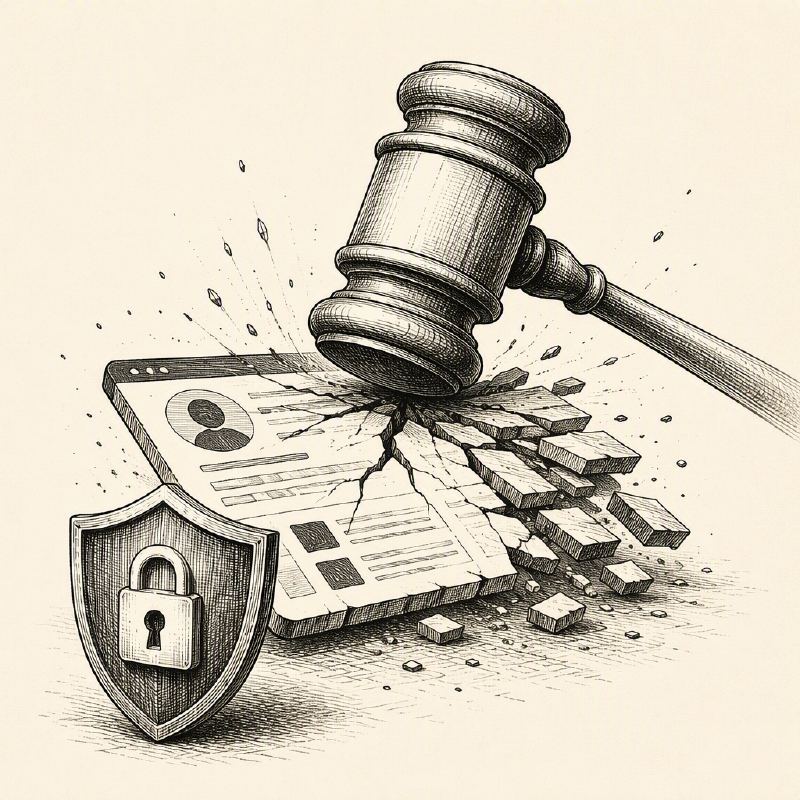
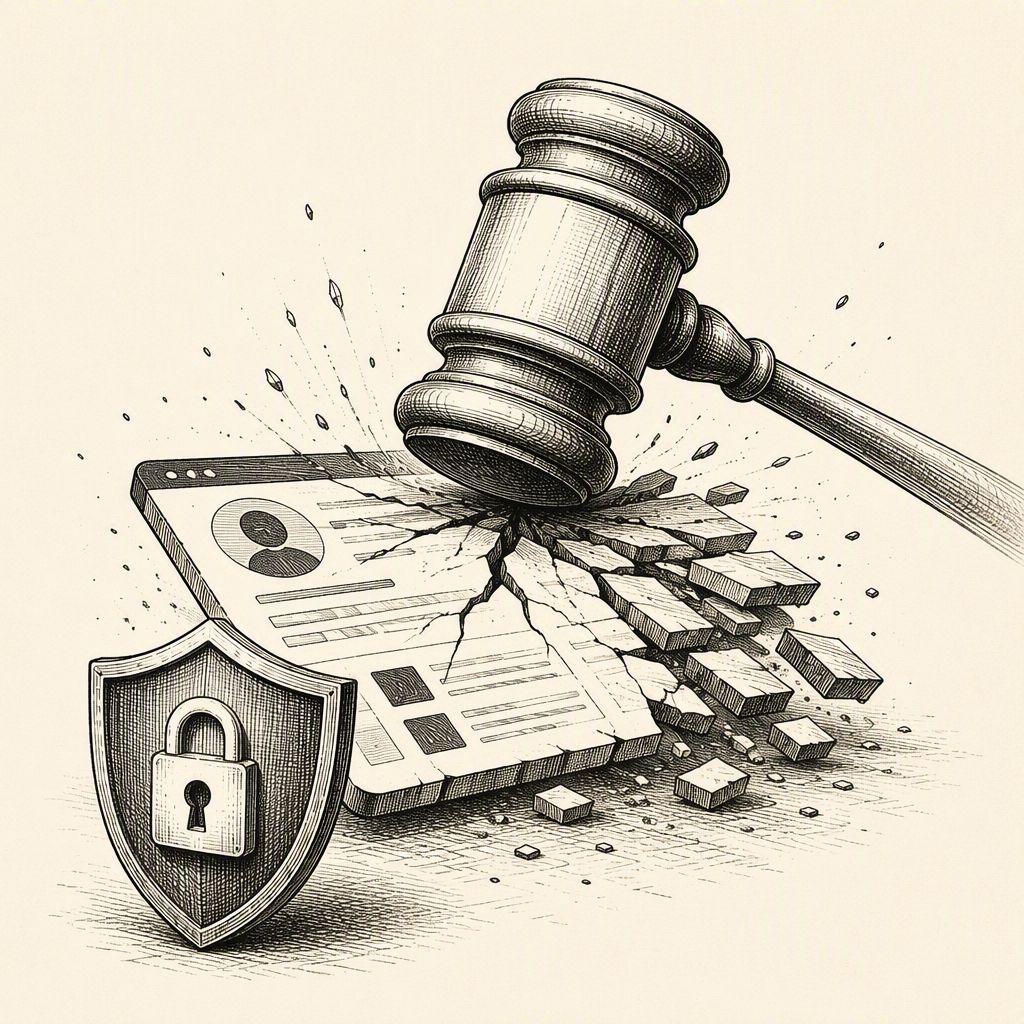
LinkedIn has achieved a significant legal victory in its ongoing battle against unauthorized data collection, securing a finalized agreement with software companies ProAPIs and Netswift. A California federal judge has mandated that these firms must permanently stop scraping user data from the professional networking platform on a mass scale. This court order also prohibits the companies from selling or transferring any data they have already scraped, and requires them to delete all collected information.
Sarah Wright, who leads litigation and enforcement for LinkedIn, hailed the outcome as a crucial win for user privacy. She emphasized that personal profile information belongs to the user and is intended for the professional community, not for external companies to exploit without consent. The agreement specifically addresses the use of fake accounts, a tactic allegedly employed by ProAPIs and Netswift to facilitate their scraping operations.
LinkedIn's lawsuit, filed last October, accused the companies of creating millions of fictitious accounts to continuously harvest data. This data included member profiles, company details, school information, and user interactions like reactions, comments, and posts. Despite LinkedIn's efforts to detect and block these fraudulent accounts, the complaint detailed how the scraping firms could still acquire hundreds of profiles within the short operational windows before accounts were terminated.
The complaint further alleged that ProAPIs and Netswift were adept at circumventing LinkedIn's defenses by establishing hundreds, if not thousands, of new accounts daily. This relentless creation of fake accounts made it exceedingly difficult for LinkedIn to completely halt the unauthorized data extraction.
In response to the settlement, ProAPIs, which describes itself as a "data pipeline platform," issued a statement on its website asserting that it does not provide tools for scraping LinkedIn. The company acknowledged the consent judgment, stating it will cease all scraping activities against LinkedIn and refrain from doing so in the future.
This legal resolution highlights the persistent challenge of data scraping that LinkedIn and other social media platforms face. Unauthorized data collection can compromise user privacy, enable spam, and facilitate malicious activities. The platform has a history of pursuing legal action against entities engaged in such practices.
Just five months prior to this ruling, Wright celebrated another legal success against a different firm accused of distributing a browser extension designed for unauthorized user data scraping. These consistent legal actions underscore LinkedIn's commitment to protecting its users' data and maintaining the integrity of its platform against pervasive scraping threats.