
libhevc HEVC Video Decoder Vulnerability Allows Information Disclosure
A vulnerability in Google Android's libhevc HEVC video decoder, ZDI-26-970, allows remote attackers to disclose sensitive information.
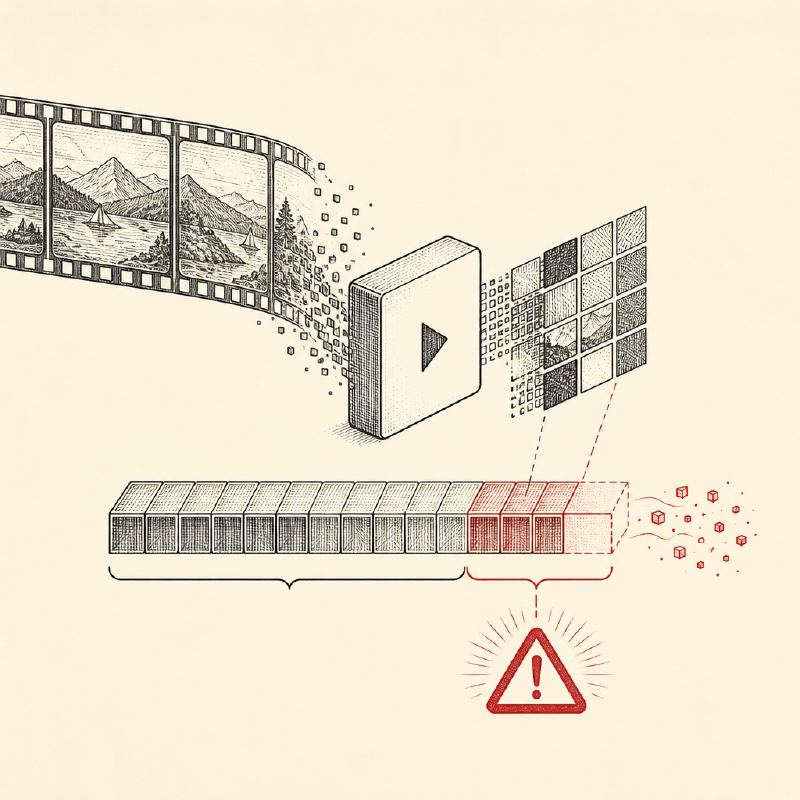
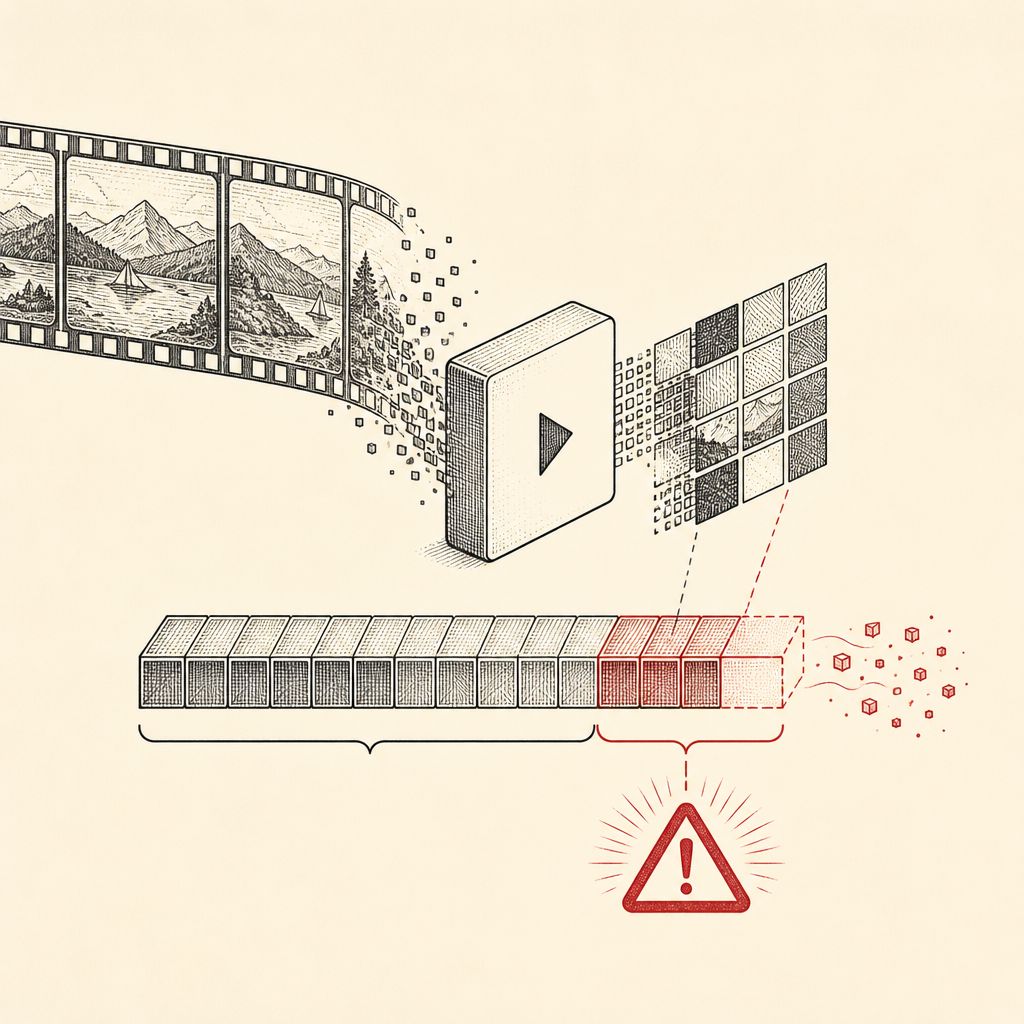
Zero Day Initiative (ZDI) has disclosed a vulnerability, tracked as ZDI-26-970, affecting the libhevc HEVC video decoder used in Google Android. This flaw permits remote attackers to disclose sensitive information on vulnerable systems.
The vulnerability stems from an out-of-bounds read within the parsing of Supplemental Enhancement Information (SEI) payloads. The issue arises due to insufficient validation of user-supplied data, which can lead to an attacker reading beyond the boundaries of an allocated buffer. While this specific vulnerability is categorized as an information disclosure, it could potentially be chained with other exploits to achieve arbitrary code execution within the context of the affected process.
Exploitation of ZDI-26-970 requires a degree of user interaction. Attackers must trick a user into visiting a specially crafted malicious webpage or opening a malicious file that contains the malformed HEVC data. This makes it a targeted attack vector rather than a widespread, unauthenticated exploit.
The Common Vulnerability Scoring System (CVSS) has assigned this vulnerability a base score of 4.4, classifying it as medium severity. This score reflects the potential impact and the required conditions for exploitation.
libhevc has released an update to address this vulnerability. Security researchers are advised to consult the commit details provided by libhevc for specific information on the fix. The disclosure timeline indicates that the vulnerability was reported to the vendor on August 6, 2026, and the coordinated public release of the advisory occurred on November 13, 2026.
This vulnerability was discovered by Lucas Leong, who is affiliated with TrendAI Zero Day Initiative. The disclosure highlights the ongoing efforts by security researchers to identify and report vulnerabilities in widely used software components, particularly those related to media decoding.
Users and organizations relying on Android devices should ensure their systems are updated with the latest security patches to mitigate the risk posed by this and other vulnerabilities. The proactive disclosure by ZDI allows vendors and users to prepare and deploy necessary defenses.
This advisory, ZDI-26-969, details a specific out-of-bounds read vulnerability within the libhevc HEVC Video Decoder's slice header parsing mechanism. While the existing story (ZDI-26-970) broadly covers information disclosure in the same component, this new report specifies the exact vulnerability type and its root cause: improper validation of user-supplied data leading to a read past an allocated buffer. The new article also provides a direct link to the relevant commit in the libhevc GitHub repository for remediation.