
Lawmakers Raise Alarm Over Google-Spirit Airlines AI Data Deal
Over 100 members of Congress are urging Google and the defunct Spirit Airlines to halt a proposed $10 million deal that would allow Google to train its AI models using sensitive internal airline data.
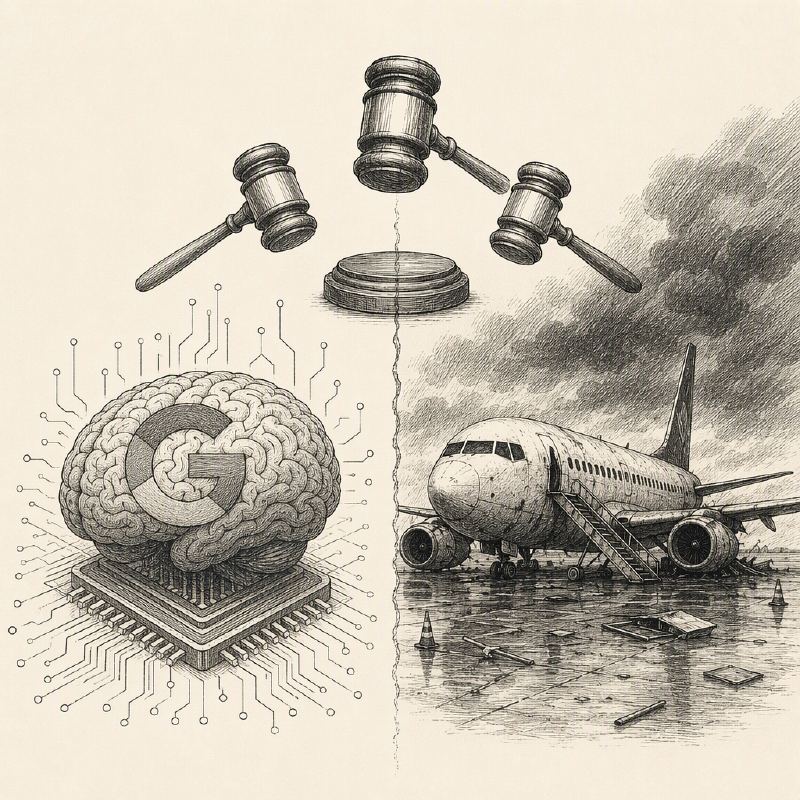
A significant number of U.S. lawmakers have voiced serious concerns regarding a potential agreement between Google and the now-defunct Spirit Airlines, which could see the tech giant acquire vast amounts of internal airline data for artificial intelligence model training. In a letter addressed to the CEOs of both companies, 114 federal legislators implored them to cease the proposed transaction, which is reportedly valued at $10 million.
The core of the controversy lies in the nature of the data Google seeks to obtain. According to a press release from Rep. Steven Horsford (D-NV), the deal would include approximately 100 million emails, 500 million Microsoft Teams messages, employment contracts, employee and timecard records, and payroll and tax information. This trove of data raises substantial privacy and security risks for former Spirit Airlines employees and potentially customers.
Google has stated that the data will be deidentified and undergo third-party scrubbing before transfer. However, the lawmakers remain skeptical, expressing apprehension that conventional de-identification methods may not be sufficient to safeguard employee privacy in the age of advanced AI. The letter, co-led by Rep. Horsford and Sen. Elizabeth Warren (D-MA), specifically noted that removing direct identifiers like names and email addresses does not guarantee true anonymity for datasets.
"While we understand that Google has stated that it will not receive personally identifiable information and that the data will undergo third-party scrubbing before its transfer, we are concerned that conventional de-identification safeguards may not be sufficient to protect employee privacy in the context of modern artificial intelligence," the lawmakers wrote.
The situation is particularly sensitive given Spirit Airlines' recent operational status. The airline announced plans to shut down in May, leading to job losses for nearly 1,000 individuals in areas like Las Vegas, which falls within Rep. Horsford's district. The potential use of their personal and employment data by a major tech company, even if deidentified, has sparked considerable unease.
To mitigate these risks, the lawmakers proposed several recommendations should the companies proceed with the deal. These include establishing a de-identification process that incorporates feedback from former employees, minimizing the amount of employee information transferred, imposing strict limits on data usage, and conducting an independent review of employee confidentiality.
Google has not yet responded to requests for comment regarding the lawmakers' letter. Efforts to locate a press contact for the defunct Spirit Airlines were unsuccessful, highlighting the challenges in addressing concerns related to a company that is no longer operational.
This proposed deal underscores a growing tension between the demand for data to fuel AI development and the imperative to protect individual privacy. As AI models become more sophisticated, the methods used for deidentification and data anonymization will face increased scrutiny, particularly when dealing with sensitive personal and employment records.