
Latin America Faces Surge in Critical Infrastructure Cyberattacks
Ports, pipelines, and manufacturing sectors across Latin America are increasingly targeted by ransomware and other cyberattacks, disrupting operations and raising regional security concerns.
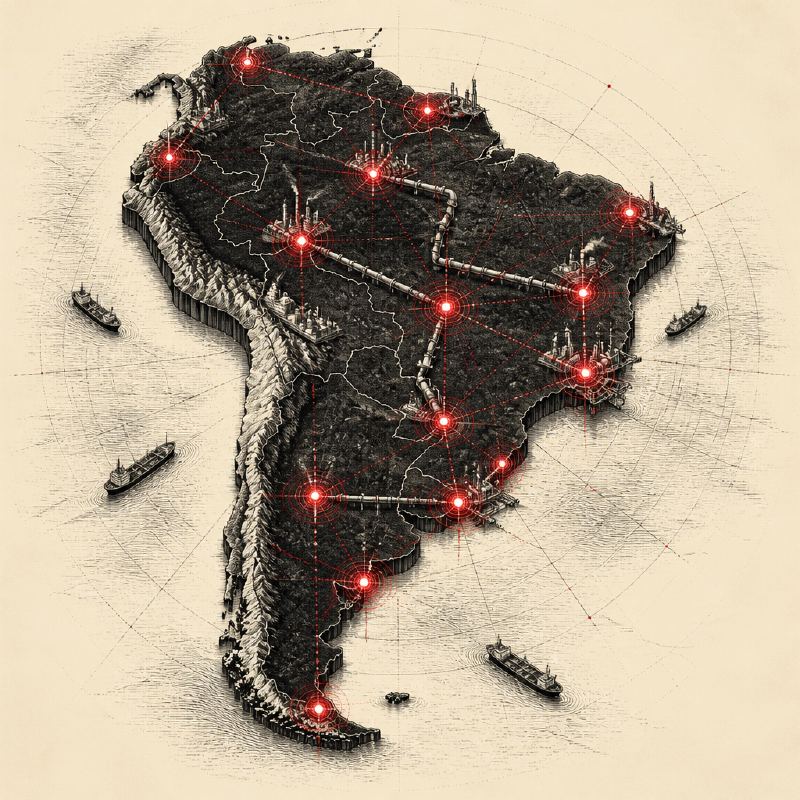
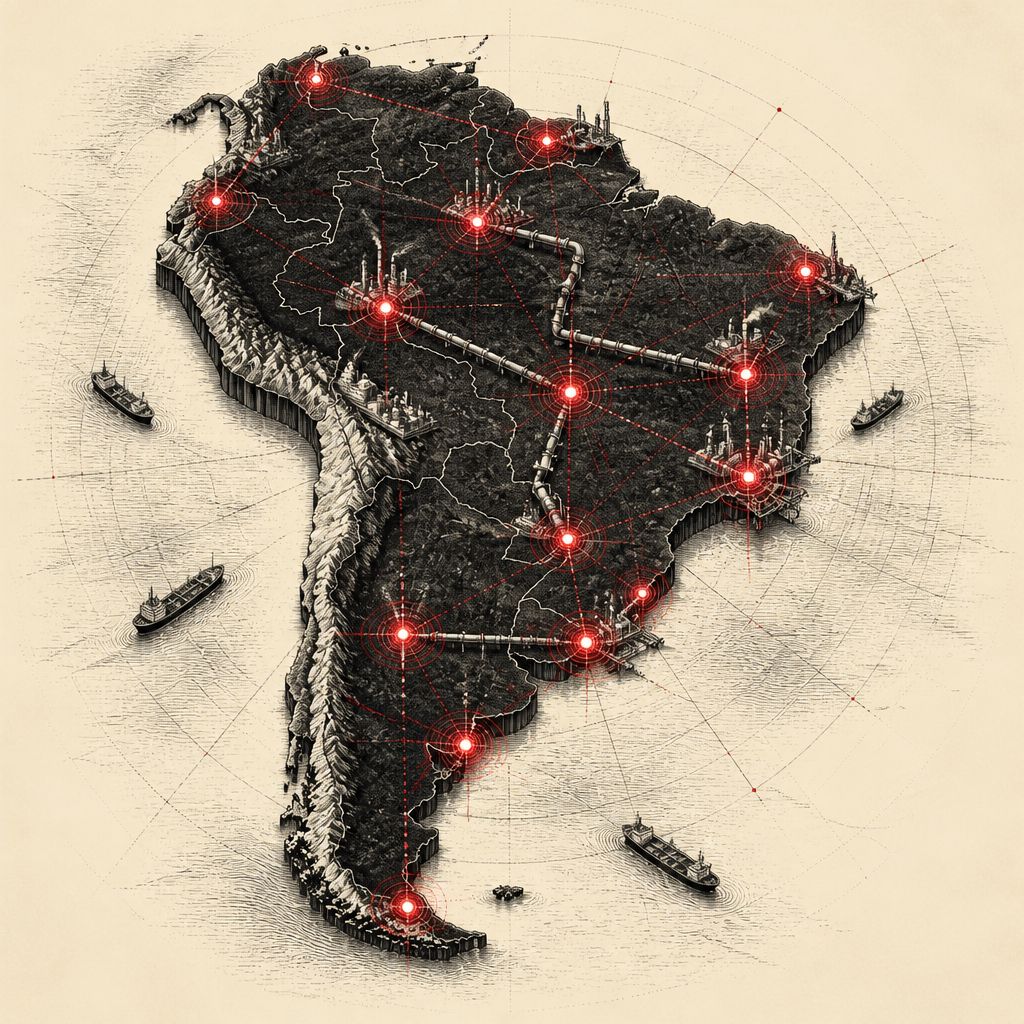
Cyberattacks are escalating in Latin America, with critical infrastructure sectors such as ports, pipelines, and manufacturing becoming prime targets. A recent ransomware attack on Brazil's Port of Santos, the largest in South America, encrypted data and disrupted online services, highlighting the growing threat landscape. While the port authority managed to restore services and recover backups, the incident underscores the vulnerability of essential logistical hubs.
The attack on the Port of Santos, which occurred on November 6th, affected the Santos Port Authority's (APS) enterprise resource planning (ERP) systems and customer-facing online services. Although the perpetrators remain unidentified, investigators suspect entry was gained through a malicious email or an infected website. The incident is part of a broader trend of increased cyber activity in the region, with industrial organizations in South America experiencing a significant rise in ransomware incidents during the third quarter of 2026.
According to cybersecurity vendor Dragos, South American industrial organizations faced at least 82 claimed ransomware incidents in Q3 2026, a notable increase from the previous quarter. Brazil, Peru, and Argentina were among the most targeted nations. While these numbers may be conservative, they indicate a growing threat landscape for critical infrastructure and industrial control systems (ICS).
While many attacks focus on the IT infrastructure, their impact often cascades into operational technology (OT) disruptions. Cybersecurity analysts note that ransomware groups do not always need to breach OT systems directly; disruptions to ERP, virtualization, or other essential IT systems can halt operations. In some cases, companies may shut down production as a precautionary measure, further impacting output.
Beyond ransomware, the region is also seeing nation-state actors targeting both government and private sectors for intelligence gathering. This dual threat of financially motivated cybercriminals and espionage-focused actors complicates the security posture for Latin American nations.
Similar to the Port of Santos incident, an Argentinian pipeline company, Oldelval, recently experienced a cybersecurity incident that impacted its administrative systems. However, the company reported that the movement of oil and crude was not hampered. These incidents, while often reported as affecting only administrative or IT systems, should be viewed with caution, as disruptions can still have significant operational consequences.
The manufacturing sector remains the most frequently targeted industrial segment globally, and this trend holds true for Latin America. While direct OT compromises are less common, attacks on IT systems can still affect engineering workstations and human-machine interface (HMI) hardware, which often run Windows and are thus susceptible to IT-based threats.
The increasing frequency and sophistication of these attacks necessitate a robust cybersecurity strategy for critical infrastructure in Latin America. Enhanced threat intelligence, proactive vulnerability management, and incident response planning are crucial to mitigating the risks posed by both cybercriminals and state-sponsored actors.