
Kenya eCitizen Platform Breached, Exposing Data of Over 32 Million Citizens
Hackers have reportedly accessed and begun leaking identity records of over 32 million Kenyans from the eCitizen government services platform.
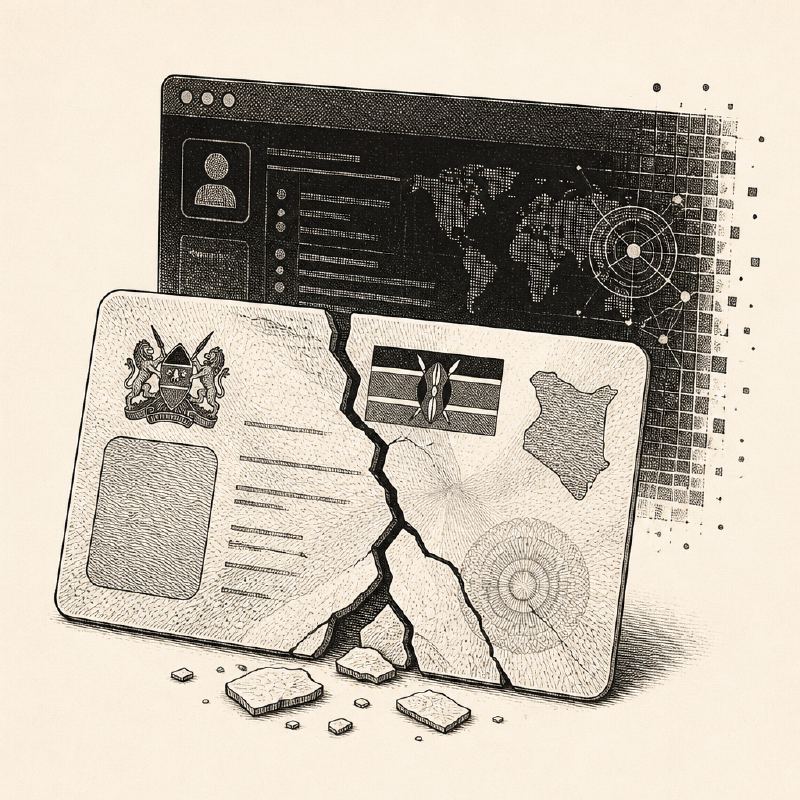

Hackers have reportedly begun publishing identity records from Kenya’s eCitizen platform on the dark web, potentially exposing the sensitive personal information of over 32 million citizens. Initial reviews of leaked files suggest the attackers gained access to data including national ID numbers, passport copies, dates of birth, fingerprints, and Kenya Revenue Authority (KRA) PINs. The exposed data also reportedly includes digital health identification numbers used by the Social Health Authority, though it remains unconfirmed if medical records were compromised.
A threat actor known as ByteToBreach has claimed responsibility for the breach, stating they stole approximately 740 GB of data. This alleged haul includes 600 GB of identity documents, 100 GB of database content, and 40 GB of source code. ByteToBreach also claims to have accessed systems that manage sign-ins for connected government services, a claim that investigators are working to verify separately from the identity record exposure.
The State Department for Immigration and Citizen Services acknowledged reports of unauthorized access on November 24 and has launched an investigation. Despite the alleged breach, officials have stated that the eCitizen platform remains operational. This portal is crucial for Kenyans, facilitating applications for passports and driving licenses, business registrations, and payments for various government services.
Kenyan authorities have urged citizens to change their eCitizen passwords and to remain vigilant against suspicious calls, texts, and emails. They advise users to navigate directly to the portal rather than clicking on links in messages and to never share verification codes or M-PESA PINs. However, experts note that changing a password cannot undo the exposure of identity documents like passports or fingerprints, which could be exploited by scammers.
The scale of the breach, if confirmed, represents a significant threat to the personal security of millions of Kenyans. The exposed data could be used for identity theft, sophisticated phishing attacks, and other forms of fraud. The alleged access to source code also raises concerns about potential future vulnerabilities or the discovery of further system weaknesses.
Kenya's Data Protection Act mandates that data controllers notify the Data Commissioner within 72 hours of becoming aware of unauthorized access that poses a real risk of harm. The public awaits further updates from authorities regarding the exact scope of the breach, the specific records compromised, and the measures being taken to protect affected individuals.
This incident highlights the persistent challenges governments face in securing large-scale digital platforms that handle vast amounts of sensitive citizen data. The ongoing investigation will be critical in determining the full impact and holding responsible parties accountable.