
KDE Gwenview Vulnerability Allows Remote Code Execution via PNG Parsing Flaw
A critical integer overflow vulnerability in KDE Gwenview's PNG file parsing can allow remote attackers to execute arbitrary code.
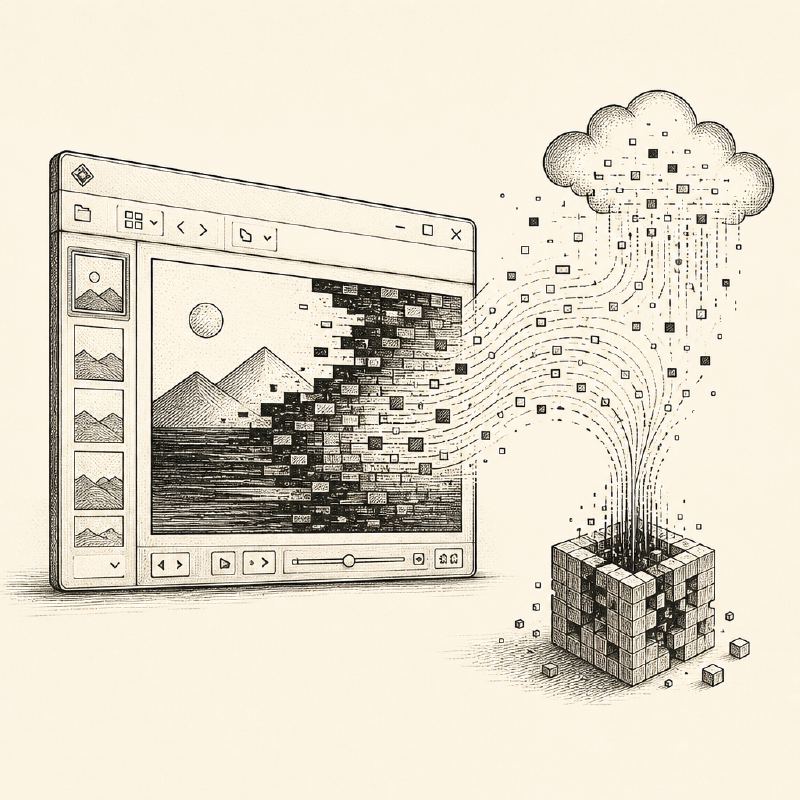
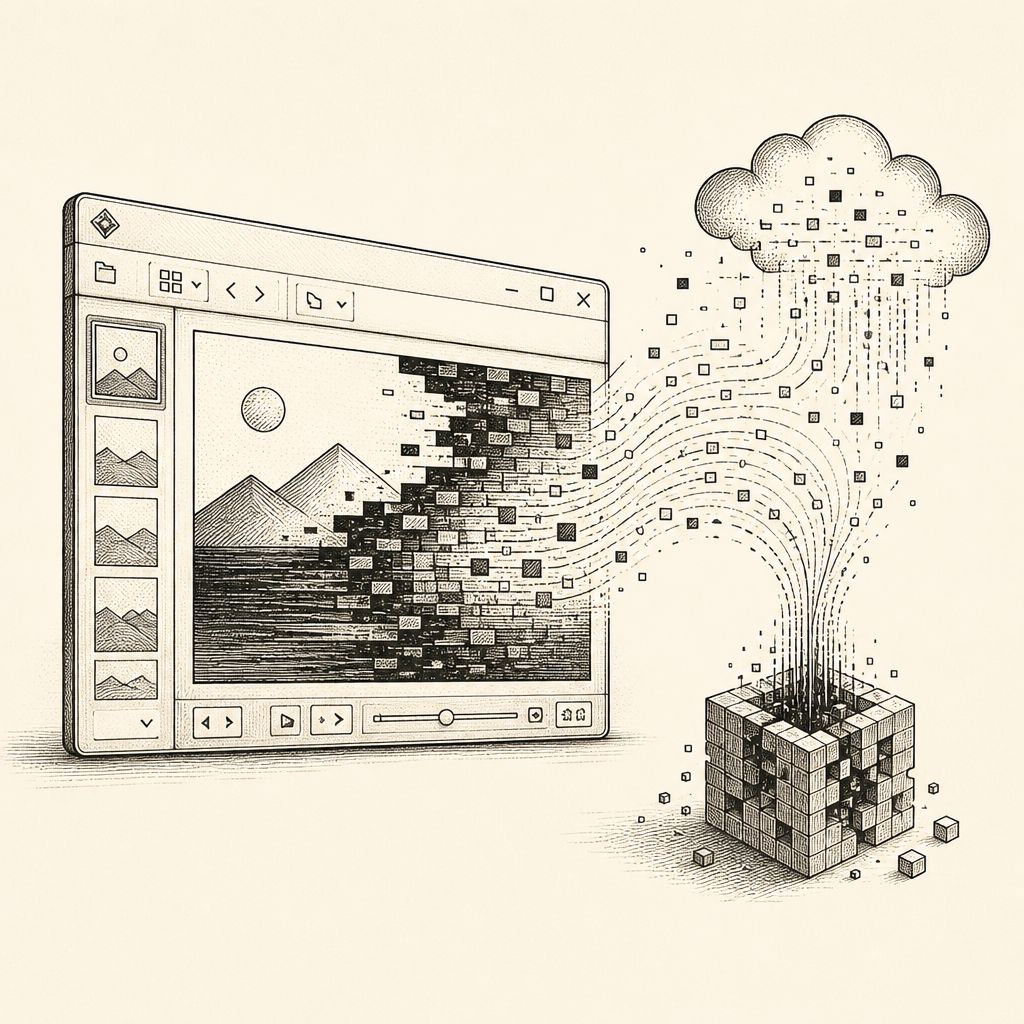
The popular open-source image viewer KDE Gwenview has been found to contain a critical vulnerability that could allow remote attackers to execute arbitrary code on a user's system. The flaw, identified as ZDI-26-955 and assigned CVE-2026-126973, resides within the application's handling of PNG files.
Specifically, the vulnerability stems from an integer overflow that occurs during the parsing of PNG data. This issue arises due to insufficient validation of user-supplied input, which can lead to an improper buffer allocation. An attacker could exploit this by crafting a malicious PNG file.
To trigger the vulnerability, an attacker would need to trick a user into opening the malicious PNG file or visiting a web page that displays such a file. Successful exploitation would allow the attacker to execute code within the context of the current Gwenview process. The Zero Day Initiative has assigned this vulnerability a CVSS score of 7.8, indicating a high severity.
KDE has already released an update to address this security flaw. The fix is detailed in a merge request on their development platform, indicating that the issue has been patched in subsequent versions of Gwenview. Users are strongly advised to update their installations to the latest available version to protect themselves.
The disclosure timeline shows that the vulnerability was initially reported to the vendor on April 29, 2026. Following coordinated disclosure efforts, the advisory was publicly released on November 13, 2026, with an update to the advisory on the same day. The research leading to the discovery of this flaw was credited to Michael Randrianantenaina.
This vulnerability highlights the ongoing risks associated with parsing complex file formats, even in widely used open-source applications. Developers must maintain rigorous input validation and secure memory management practices to prevent such vulnerabilities from being introduced. The ease with which such flaws can lead to remote code execution underscores the importance of timely patching and security awareness for end-users.
While the CVSS score of 7.8 points to a significant risk, the requirement for user interaction (opening a file or visiting a malicious page) means that proactive user education on safe browsing and file handling practices remains a crucial layer of defense. The swift patching by KDE demonstrates a commitment to security, but users must actively apply these updates to benefit from the fixes.