
JPMorgan Chase, Visa, and Mastercard Hit by Third-Party Data Breach Claimed by N0n Ransomware
JPMorgan Chase has confirmed a data breach affecting customer names and email addresses, following a ransomware group's claim of compromising the financial giant, Visa, and Mastercard through third-party vendors.
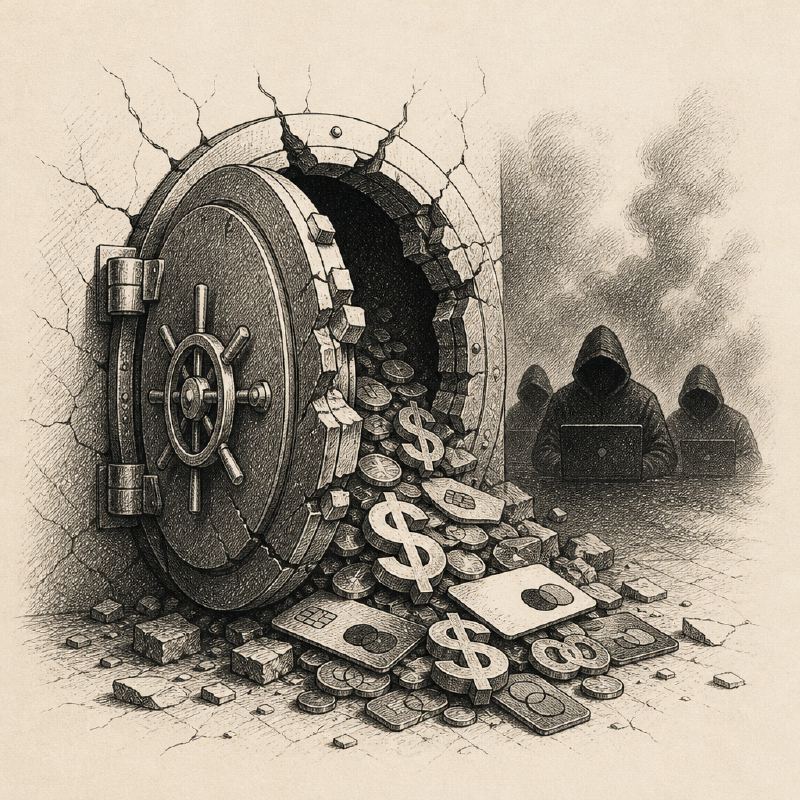
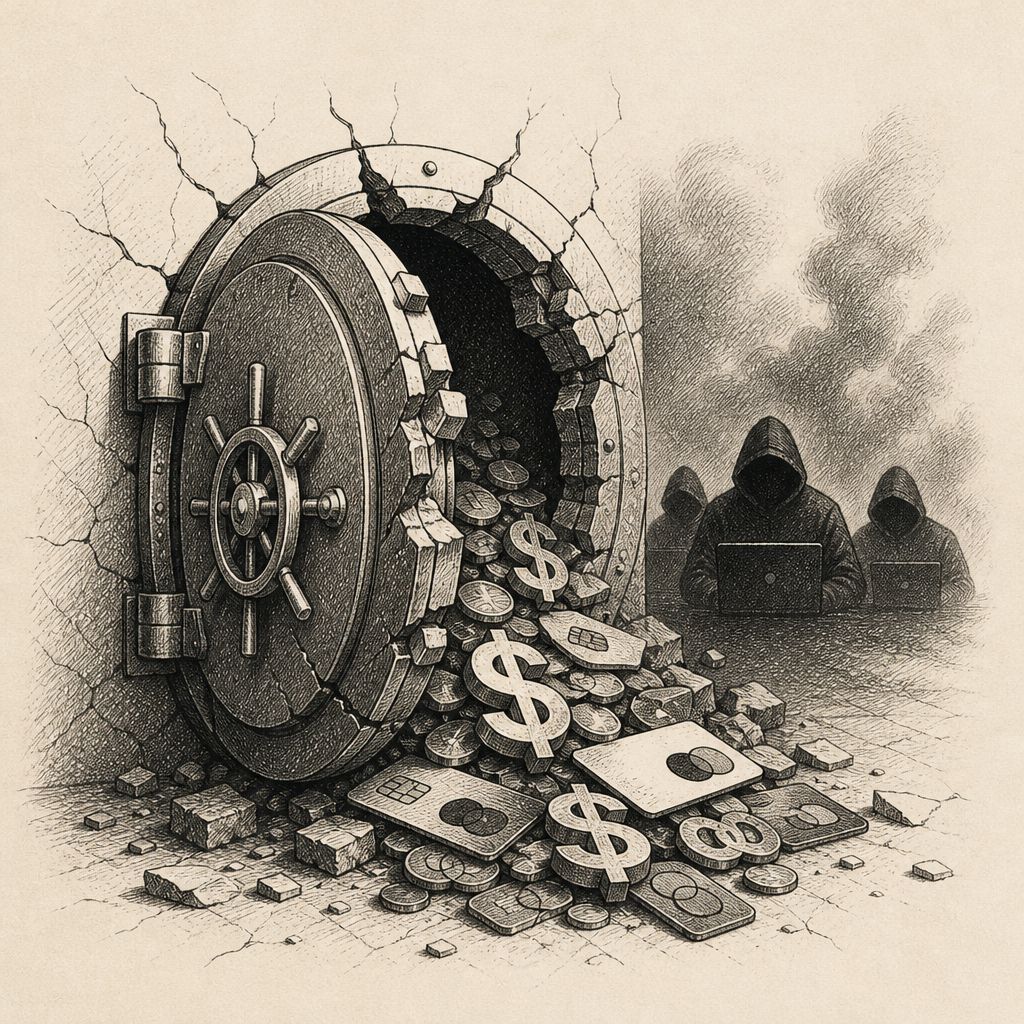
JPMorgan Chase has confirmed a data breach that may have exposed customer names and email addresses, stemming from a compromise of third-party vendors used by the financial institution. The banking giant announced the incident on X, stating that while services remain unaffected, they will contact affected customers directly and offer support, including complimentary credit monitoring. This breach is reportedly unrelated to a separate service disruption caused by a software bug in its on-premise hardware systems.
The confirmation follows claims by the ransomware group N0n, which listed JPMorgan Chase, Visa, and Mastercard on its data leak site, alleging it had exfiltrated customer data from all three. Reuters reported that Visa and Mastercard also confirmed data breaches due to third-party compromises. Visa stated that no payment data was impacted, while Mastercard indicated that non-payment information from a small subset of cardholders enrolled in a specific benefit program was affected.
While the specific third-party vendors involved have not been named, the incidents highlight the pervasive risks associated with supply chain vulnerabilities in the financial sector. The N0n group reportedly released data pertaining to customers of the three institutions after they allegedly missed a 48-hour deadline to pay an extortion demand. The Wall Street Journal reported that the leaked data included personal information from thousands of customers, notably 16,000 email addresses linked to JPMorgan's exclusive Reserve card program.
Sophos Counter Threat Unit's Rafe Pilling cautioned that while the N0n group is causing "real impact," claims involving major brands should be viewed with scrutiny. He noted that the exposed data often originates from third-party providers managing marketing or loyalty programs, rather than direct breaches of the core networks of companies like Visa or JPMorgan. This distinction is crucial, though the exposure of personal data remains a significant concern for affected individuals.
N0n is a relatively new ransomware operation, first observed in September 2026. The group has been noted for threatening victims with the destruction of their backup infrastructure if ransom demands are not met. The group's tactics underscore a growing trend where attackers leverage third-party access to achieve broader compromise across interconnected systems.
The incident serves as a stark reminder for financial institutions and their partners to rigorously vet and secure their third-party relationships. Robust vendor risk management, continuous monitoring, and prompt incident response are critical to mitigating the cascading effects of such breaches. The financial sector, with its vast amounts of sensitive data, remains a prime target for ransomware groups seeking financial gain and disruption.
As investigations continue into the exact scope and origin of the breaches, the focus remains on protecting customer data and ensuring the integrity of financial services. The involvement of multiple major financial players in a single third-party compromise event signals a potentially coordinated or highly opportunistic campaign by the N0n ransomware group.
Researchers at SOCRadar have analyzed the leaked data from the n0n group's claimed breaches of Visa and Mastercard. Their findings indicate that the leaked files do not contain sensitive financial information such as card numbers, CVVs, or passwords. Instead, the data includes mobile numbers and booking details for flights, hotels, and restaurants, which could be leveraged for sophisticated phishing attacks rather than direct financial theft.