
JPMorgan Chase Centralizes Software Delivery Pipeline to Bolster Security at Scale
JPMorgan Chase has overhauled its software development lifecycle by centralizing its container pipeline, integrating automated security scans and reviews to secure thousands of daily builds.
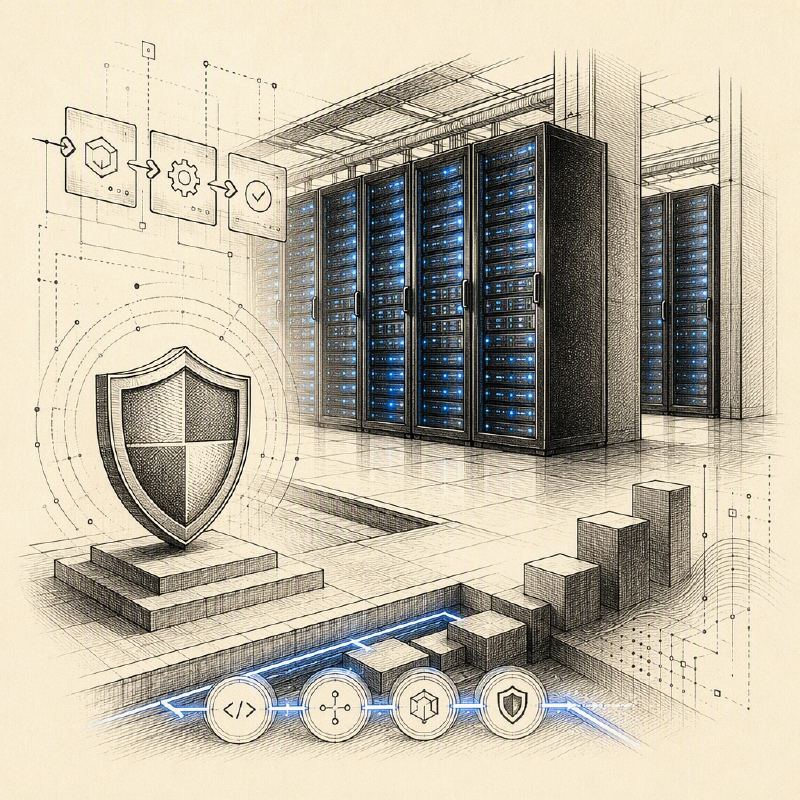
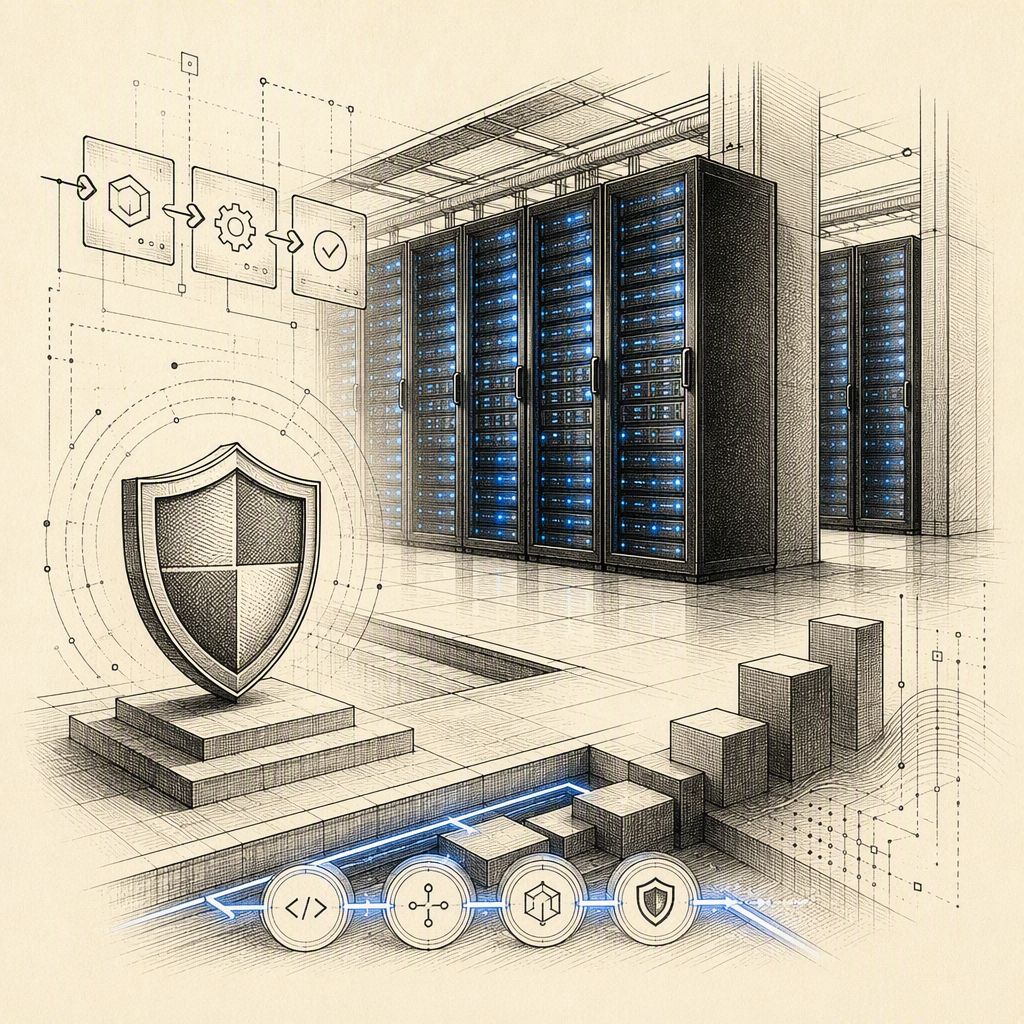
JPMorgan Chase is tackling the persistent challenge of balancing rapid software delivery with robust security by centralizing its container pipeline. The financial giant processes thousands of software builds daily, necessitating scalable, traceable, and secure tools to manage its development and deployment workflows. To meet these demands, the bank adopted JFrog Artifactory, replacing previous artifact-management tools that could no longer handle the sheer volume.
The JFrog Artifactory platform provides developers with a unified repository for storing and managing software artifacts and container images as they progress through the development lifecycle. This centralized approach is crucial for maintaining visibility and control over the components that constitute each software build. Rayarao likened this to a software bill of materials (SBOM), offering an inventory of libraries, dependencies, and other components that security teams can use to assess the impact of newly discovered vulnerabilities.
Beyond artifact management, the platform enhances build performance through dependency caching and container layer optimization, significantly speeding up the development process. Critically, the solution operates within JPMorgan Chase's own infrastructure, ensuring that sensitive information never leaves the bank's network, a paramount concern given the current security landscape. This internal operation forms the bedrock of a standardized path from development to production.
With the pipeline centralized, security checks are integrated early and continuously. Container images undergo rigorous scanning for vulnerabilities and malicious code before deployment to the production environment. Any security findings trigger tickets that must be resolved before a release can proceed, enforced by a dedicated security review team that scrutinizes vulnerability reports and grants final approval.
This integrated approach automates the path to production by embedding dependency caching, vulnerability scanning, and policy enforcement directly into the delivery workflow. This not only reduces manual effort but also maintains critical visibility into deployed software. The shift-left security model ensures that vulnerabilities are identified and addressed much earlier in the development cycle.
Furthermore, the pipeline provides a robust foundation for adopting newer automation techniques, including AI-assisted development. Rayarao noted that agent-based development practices have dramatically accelerated feature delivery, reducing timelines from months to weeks. While AI contributes significantly to this speed, it also underscores the increased importance of maintaining a controlled and secure route into production.
The growing reliance on coding agents introduces new governance challenges. Rayarao expressed interest in applying SBOM principles to manage reusable 'skills' within agentic frameworks, acknowledging the uncertainty surrounding future AI development. The potential for agents to generate code without full developer comprehension, or to 'hallucinate' information, necessitates strong guardrails, including access restrictions, security policies, and human oversight.
To mitigate risks associated with AI-generated code, Rayarao emphasized the importance of clear specifications. Future projects will prioritize specification-driven development, ensuring that detailed and accurate requirements are established before instructing agents. This meticulous approach, combined with robust pipeline security, aims to govern the next generation of software development at JPMorgan Chase, balancing innovation with unwavering security.