
Japan's Fugaku Supercomputer Hit by Unauthorized Access and Malware After Data Leak
An unauthorized access attempt and malware deployment occurred on Japan's Fugaku supercomputer following a data leak, disrupting research and impacting over 4,500 users.
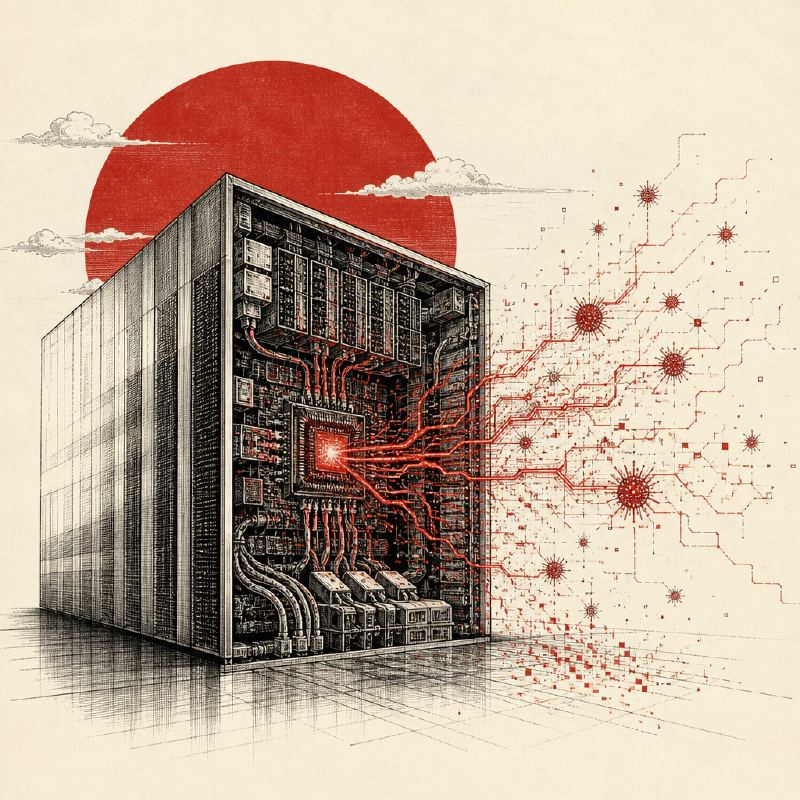
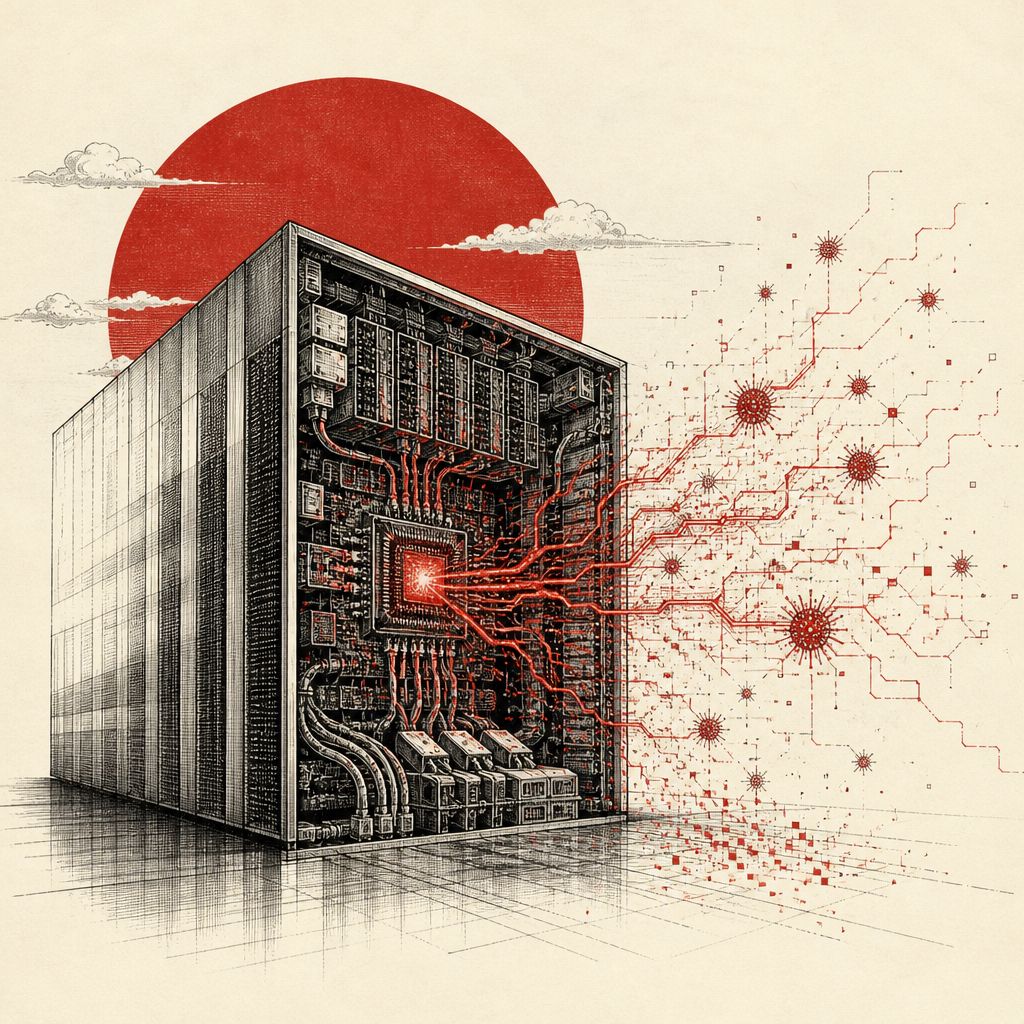
The RIKEN Center for Computational Science, home to the renowned Fugaku supercomputer, has disclosed a significant security incident involving unauthorized access attempts and malware deployment. The breach, which occurred between November 10 and November 13, targeted a web dashboard used to display Fugaku's operational status. Attackers exploited this vulnerability to gain a foothold within RIKEN's network, subsequently accessing several servers that stored user credentials and personal data.
These compromised servers contained sensitive information for authorized users of Fugaku and its smaller counterpart, Rikyu. Specifically, the data included users' names, email addresses, and credentials used for accessing supercomputers and services beyond RIKEN's purview. The attackers reportedly attempted to leverage these stolen credentials for further malicious activities, prompting RIKEN to collaborate with other supercomputer providers to investigate the extent of this potential credential abuse.
RIKEN has stated that it does not yet know the exact cause of the attack or the full scope of data exfiltrated. However, it has confirmed that 4,222 registered users of Fugaku and 375 users of the Rikyu supercomputer are at risk. The incident escalated on November 13 when an attempt was made to log onto Fugaku itself, leading RIKEN to immediately take the supercomputer offline.
Fugaku, once a leader on the Top 500 list of the world's most powerful supercomputers, boasts an impressive architecture of 158,976 nodes. Its current offline status is causing significant disruption to the scientific research community that relies on its immense computational power. Researchers scheduled to use the machine are now facing delays, impacting ongoing projects and experiments.
While RIKEN has found no evidence to suggest that users' research data has been compromised, the investigation into what specific information was accessed or stolen is ongoing. The organization is also examining whether any data pertaining to third parties may have been affected. RIKEN has pledged to conduct a thorough investigation into the incident.
This incident adds to a growing list of high-profile cyberattacks targeting Japanese organizations, including clouds, telecommunication providers, retailers, and government agencies. The increasing frequency and sophistication of these attacks have prompted the Japanese government to release emergency funds aimed at rapidly bolstering the nation's cyber defenses.