
Japan Airlines Hit by Data Breach Amidst Broader Cyberattack Wave
Japan Airlines disclosed a data breach impacting nearly 92,000 customers, with sensitive information like passport numbers compromised, as the nation grapples with a surge in cyber incidents.
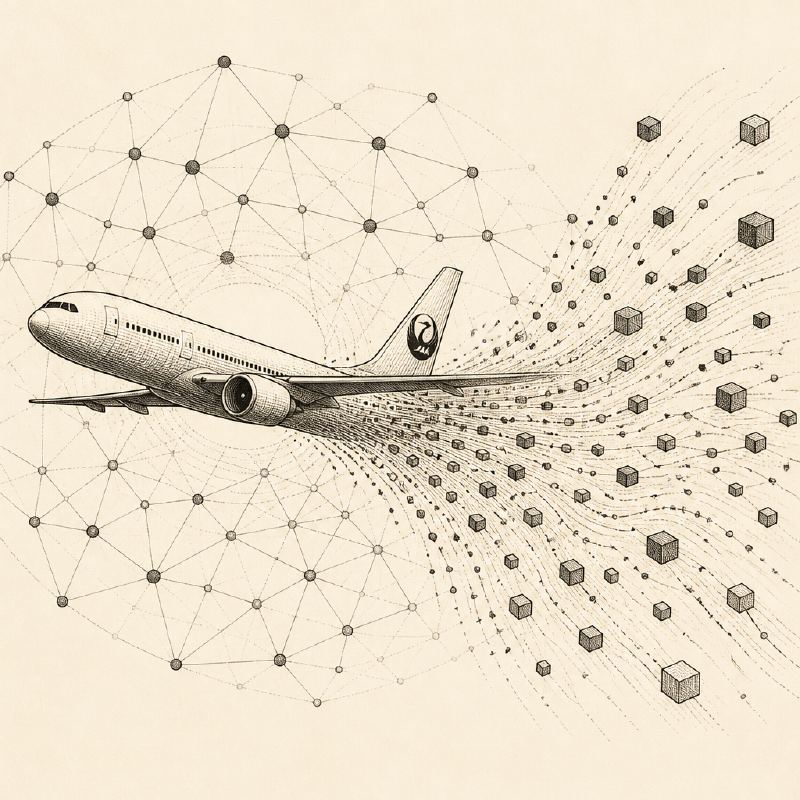
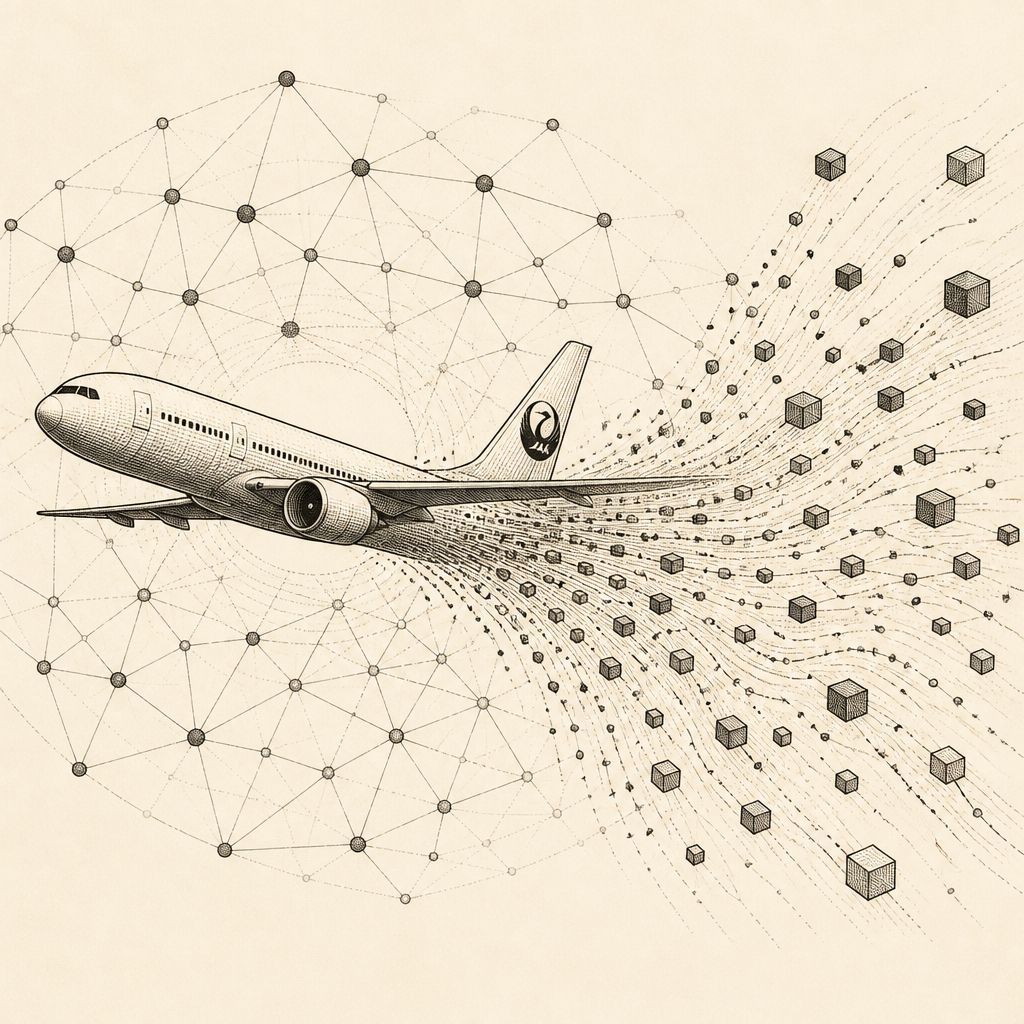
Japan Airlines has reported a significant data breach that exposed the personal records of approximately 92,000 customers, stemming from a compromise at one of its IT providers. The airline confirmed that Amadeus IT Group, which manages its critical flight reservation, ticketing, and check-in systems, informed them of the breach last week. Hackers gained access to a portion of customer reservation data, affecting both Japan Airlines and Japan Transocean Air flights.
While the breach did not impact flight operations or compromise credit card numbers, the exposed data includes names, reservation codes, and flight details for all affected individuals. For a subset of around 2,000 Japan Airlines customers, the attackers also obtained more sensitive information, such as passport numbers, frequent flyer details, email addresses, and phone numbers. Japan Airlines stated it will individually contact those impacted to offer assistance and advise them on vigilance against phishing and other fraudulent activities.
This incident adds to a growing list of high-profile cyberattacks targeting Japanese companies. In the preceding weeks, Sony Network Communications disclosed a breach affecting over 2.5 million users of its internet services. Burger King Japan reported a breach impacting approximately 11.18 million app user records, and gaming giant Capcom also experienced a significant data exfiltration event.
The escalating cyber threats have prompted a strong response from the Japanese government. Prime Minister Sanae Takaichi convened a cabinet meeting to address the situation, vowing to implement emergency measures to bolster the protection of Japanese companies and citizens. "The situation is serious, with growing concerns about civil damages resulting from the misuse of leaked information. We must urgently strengthen our countermeasures," Takaichi stated, emphasizing the need for enhanced defenses.
Further underscoring the geopolitical implications, Japanese Defense Minister Shinjiro Koizumi discussed the cyberattacks with U.S. Defense Secretary Pete Hegseth. Both leaders agreed to enhance cooperation to mitigate the impact of malicious cyber activities on citizens' lives, economic activities, and national security. This collaboration highlights the interconnectedness of cybersecurity and national defense in the face of increasingly sophisticated threats.
The breach at Japan Airlines, facilitated by a third-party vendor, serves as a stark reminder of the vulnerabilities inherent in complex supply chains. The exposure of passport numbers and frequent flyer data raises concerns about potential identity theft and targeted social engineering attacks against the affected passengers.
As Japan confronts this wave of cyber incidents, the focus remains on strengthening national cybersecurity infrastructure, improving vendor risk management, and fostering international cooperation to combat state-sponsored and criminal cyber activities. The government's commitment to implementing emergency measures signals a proactive approach to safeguarding critical infrastructure and personal data.