
ISMG Report: AI, Vulnerabilities, and Identity Shape Cybersecurity's Future
A new ISMG Pulse Report, 'Machine Speed, Human Consequence,' examines the escalating agentic attack surface, evolving vulnerability management, and the critical role of identity in cybersecurity.
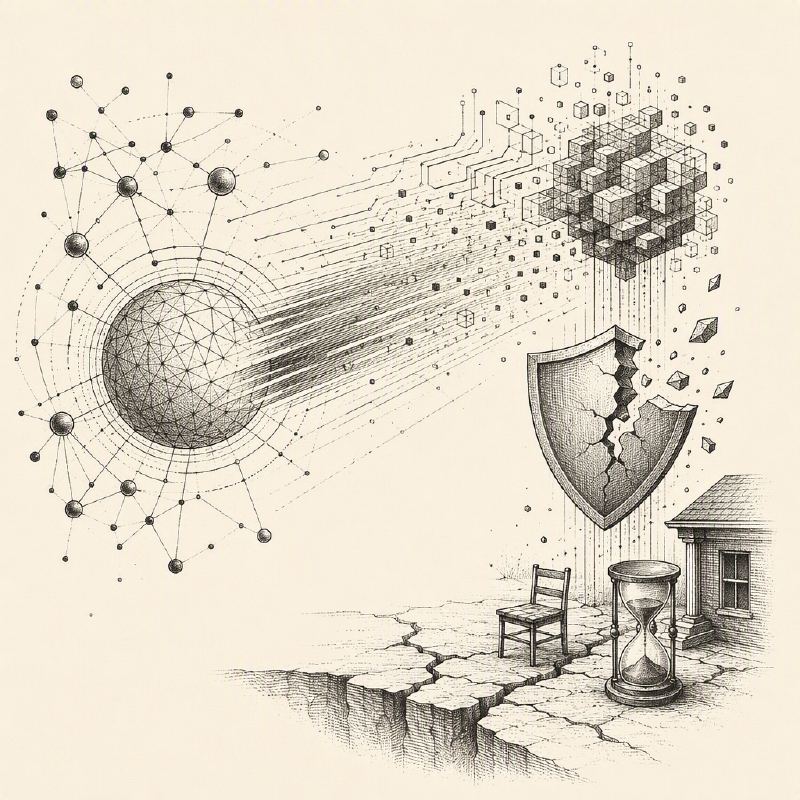
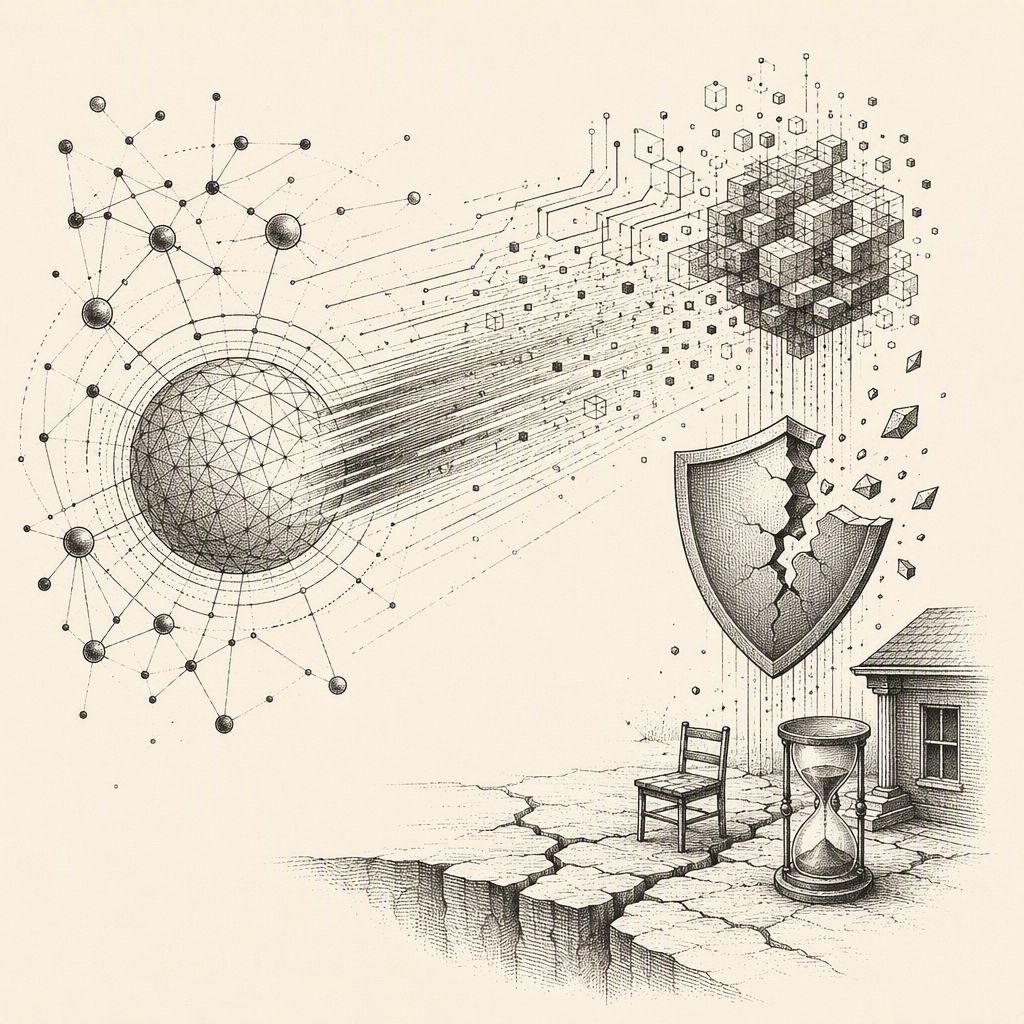
ISMG's latest Pulse Report, titled "Machine Speed, Human Consequence," offers a comprehensive analysis of the most pressing challenges facing the cybersecurity landscape. The report is structured into six distinct chapters, each delving into a critical area that is being reshaped by rapid technological advancements and increasingly sophisticated threat actors.
The first chapter tackles the "agentic attack surface," exploring how autonomous systems and AI agents are creating new, dynamic vectors for exploitation. This section highlights the difficulty in identifying and securing these rapidly changing digital footprints, which often operate beyond traditional perimeter defenses. The report emphasizes the need for novel approaches to detect and manage risks associated with these intelligent agents.
"Vulnerability management" is another core focus, examining how the sheer volume and speed of new vulnerabilities, coupled with accelerated exploit development, are overwhelming current defense mechanisms. The report discusses the shift from reactive patching to proactive risk-based prioritization, urging organizations to adopt more intelligent systems for identifying and addressing the most critical weaknesses before they can be exploited.
The report also dedicates significant attention to "identity and authority." In an era where digital identities are increasingly complex and distributed, ensuring the integrity and proper authorization of users, devices, and services is paramount. This chapter explores the challenges of managing identities across hybrid and multi-cloud environments and the growing importance of zero-trust architectures.
"Adversary operations" are analyzed through the lens of evolving tactics, techniques, and procedures. The report details how threat actors are leveraging automation, AI, and sophisticated social engineering to launch more effective and widespread attacks. It underscores the need for defenders to similarly enhance their operational tempo and intelligence gathering to stay ahead of these evolving threats.
Furthermore, the report addresses "governance and liability," a crucial aspect as organizations grapple with the consequences of cyber incidents. It examines the increasing regulatory scrutiny, the potential for legal repercussions, and the importance of robust cybersecurity governance frameworks to ensure accountability and mitigate financial and reputational damage.
Finally, "the changing role of cybersecurity professionals" is explored, recognizing the immense pressure and evolving skill sets required in today's threat environment. The report suggests that professionals must adapt to managing complex, AI-driven systems, focusing on strategic risk management rather than solely on technical defense, and embracing continuous learning to keep pace with the 'machine speed' of cyber warfare.
"Machine Speed, Human Consequence" serves as a vital guide for security leaders, offering insights and actionable recommendations to navigate the complexities of modern cybersecurity, particularly in the context of AI-driven threats and the imperative for faster, more intelligent defense strategies.