
Iranian National Extradited from Montenegro for University Hacking Spree
An Iranian national accused of orchestrating a massive cyber campaign against American universities, stealing terabytes of data, has been extradited from Montenegro to the U.S.
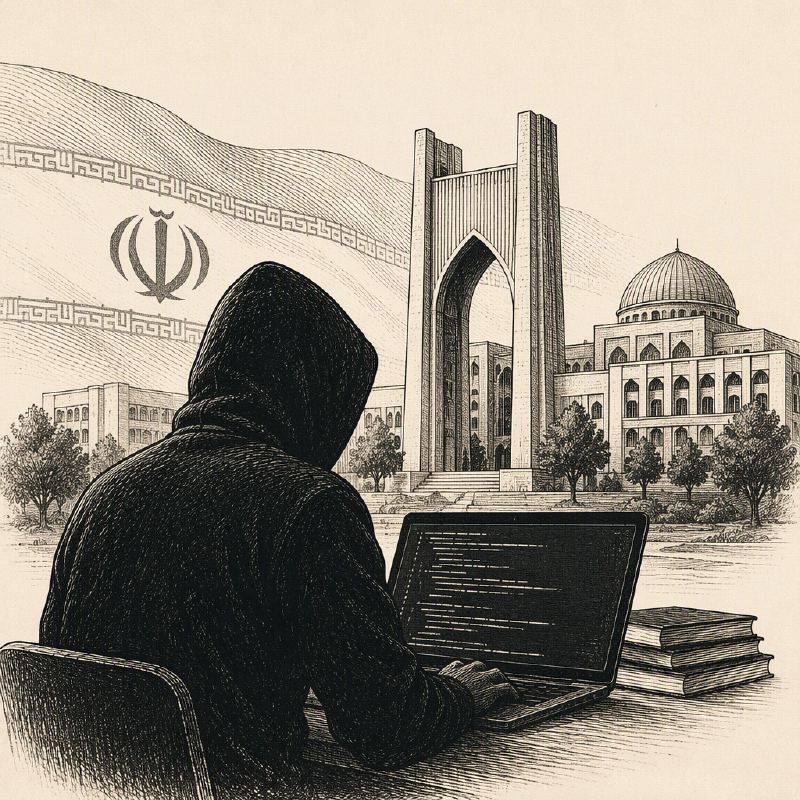
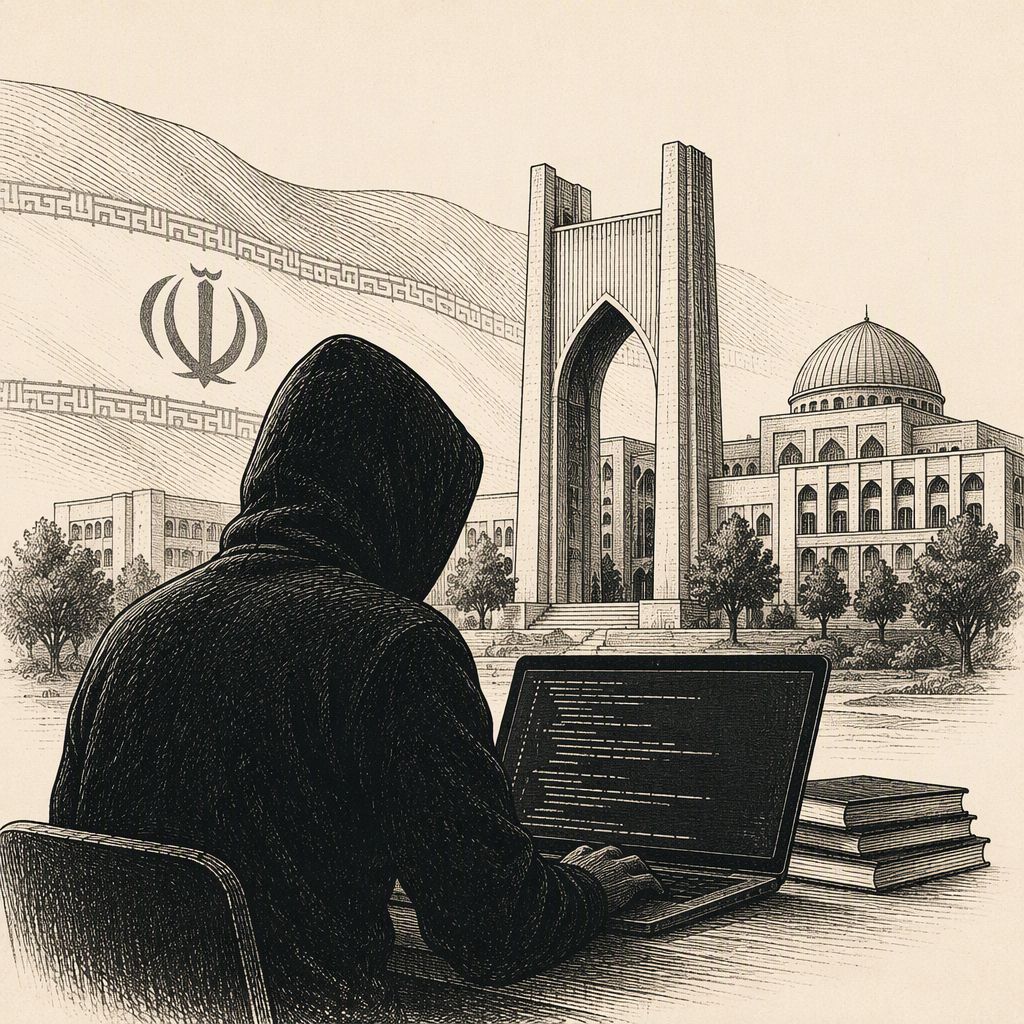
An Iranian national, identified as Amir Barati, has been extradited from Montenegro to the United States to face charges for his alleged role in a widespread cyber espionage campaign. Barati, a 40-year-old dual citizen of Turkey and Iran, was arrested in Montenegro on June 25 following an FBI-issued arrest warrant. The extradition marks a significant step in the U.S. Justice Department's efforts to prosecute individuals involved in sophisticated cyber intrusions targeting academic and intellectual property.
Barati is named in a 14-count indictment unsealed in August, which charges 17 individuals in connection with an extensive operation prosecutors believe was conducted by the Mabna Institute on behalf of Iran's Islamic Revolutionary Guard Corps (IRGC). The indictment alleges that Barati was a key figure in an operation that breached email inboxes at universities and research institutions globally, resulting in the theft of at least 31 terabytes of sensitive information and intellectual property. This data included academic journals, theses, dissertations, and electronic books across numerous fields of study.
U.S. officials estimate the damages caused by Barati's alleged activities to be approximately $3.4 billion. Prosecutors detailed Barati's involvement in tracking spearphishing campaigns, exchanging compromised login credentials, creating targeting lists, conducting network reconnaissance, and crafting malicious phishing messages. The indictment further claims that the group successfully compromised approximately 8,000 email accounts belonging to professors at 144 American universities and 42 U.S. companies, as well as 178 foreign universities and at least 11 foreign companies.
The stolen data was allegedly provided to the Iranian government and subsequently sold through two websites to universities within Iran. One of these platforms enabled customers in Iran to access the online library systems of multiple U.S. universities using the compromised professor accounts. The Justice Department noted that universities incurred approximately $20 million in costs for investigating and remediating these breaches.
Barati faces multiple charges, including conspiracy to commit computer intrusions, wire fraud, computer fraud, and identity theft. Reports indicate Barati has a long history as a hacker in Iran, having led groups accused of targeting major institutions like Microsoft and MIT. He was reportedly arrested by Iran's Intelligence Ministry in 2010 and coerced into working for them before becoming a Turkish citizen in 2021 after leaving Iran and changing his name.
The extradition of Barati underscores the ongoing efforts by international law enforcement to combat state-sponsored cybercrime and intellectual property theft. The Mabna Institute has been a recurring subject in U.S. indictments related to Iranian cyber operations, highlighting a persistent threat to academic and research institutions worldwide.
This case is part of a broader pattern of cyber espionage attributed to Iran, which has been increasingly active in targeting sensitive data and intellectual property for its own strategic and economic benefit. The successful extradition of Barati sends a strong message to other individuals involved in such activities that they may be held accountable, regardless of their location.