
Iranian Cyber Spies Use Fake Medical Scans to Target Dissidents
Iranian state-sponsored actors are employing a novel social engineering tactic, distributing malware disguised as fake MRI scan results to target dissidents, activists, and journalists.
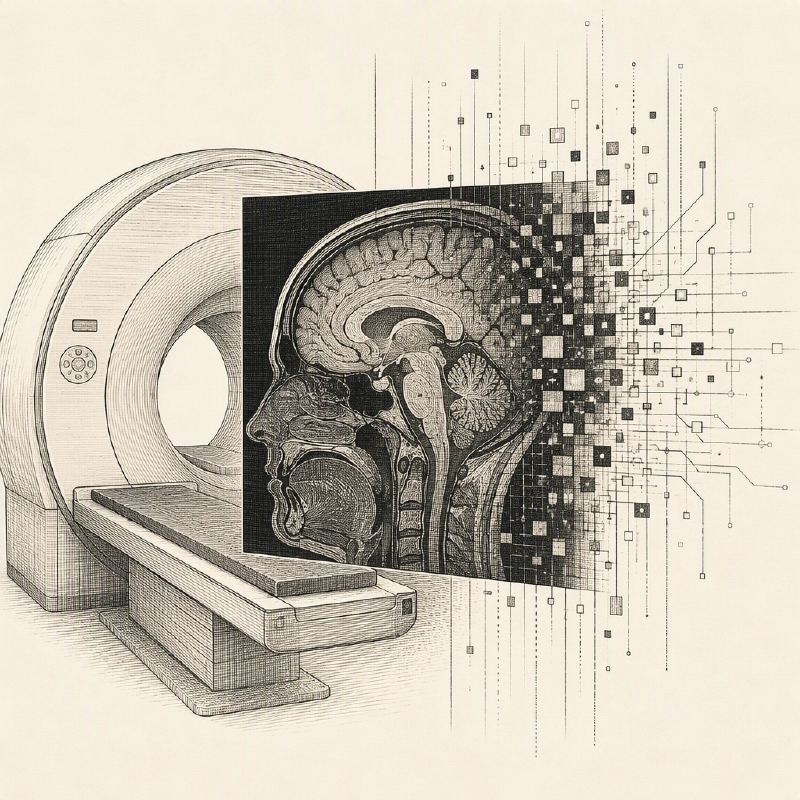
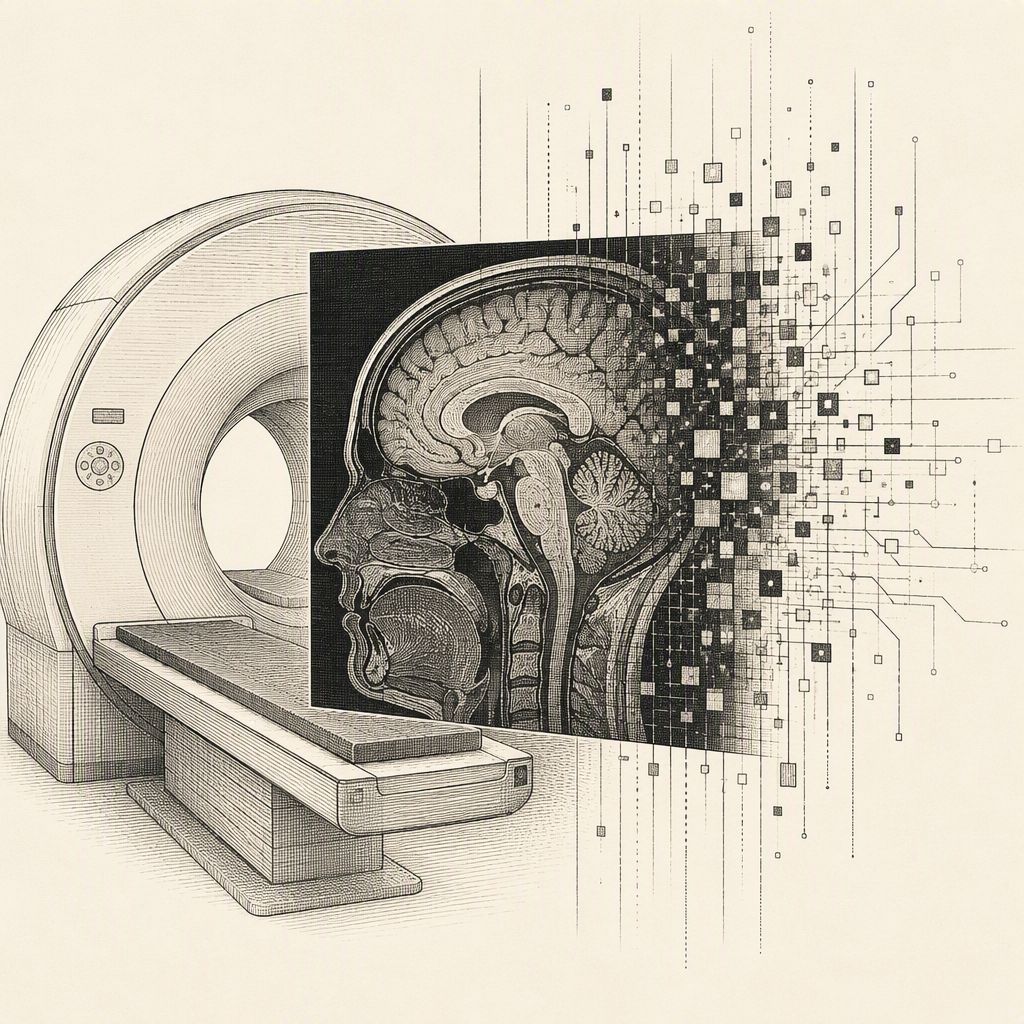
Iranian cyber-espionage actors have adopted a sophisticated social engineering strategy, leveraging fake medical documents to lure and compromise individuals deemed adversaries of the regime. The United Kingdom's National Cyber Security Centre (NCSC) revealed that this tactic is part of a broader effort by Iran to suppress dissent among its population.
The primary method involves disguising malicious software within files that appear to be legitimate MRI scan results. This lures unsuspecting victims, likely those with a vested interest in medical information or who are accustomed to handling such documents, into downloading and opening the infected files. The specific technical details of the malware or the exact exploit vector beyond the lure have not been fully disclosed, but the intent is clear: to gain access to sensitive information or systems of targeted individuals.
The NCSC explicitly stated that this cyber activity is designed to "support the repression of individuals who are seen as a threat to the regime, such as dissidents, activists and journalists." This highlights a disturbing trend where state-sponsored actors are increasingly using cyber means to achieve political objectives and silence opposition, both domestically and potentially abroad.
While the NCSC has brought this tactic to light, the full scope of the campaign and the specific types of malware deployed remain subjects of ongoing investigation. The effectiveness of this method lies in its ability to exploit trust and urgency, particularly if the fake medical results are tailored to appear relevant to the target's circumstances or profession.
This approach represents a concerning evolution in cyber-espionage, moving beyond traditional phishing emails or exploit kits to more personalized and contextually relevant lures. By impersonating medical data, attackers tap into a domain often associated with critical personal information and professional requirements, increasing the likelihood of success.
The targeting of dissidents, activists, and journalists is a well-documented characteristic of authoritarian regimes seeking to maintain control. The use of cyber tools, such as this malware-laden lure, provides a less overt and potentially deniable method for surveillance and disruption compared to physical means.
Security researchers emphasize the importance of vigilance when handling unsolicited or unexpected digital documents, especially those that appear sensitive or urgent. Verifying the source and integrity of such files, even if they seem legitimate, is crucial in preventing compromise. The NCSC's advisory serves as a critical warning to individuals who may be at risk, urging them to exercise extreme caution.
This incident underscores the persistent threat posed by nation-state actors and their evolving methodologies. As cyber capabilities advance, so too do the methods employed to bypass traditional security measures, necessitating continuous adaptation and awareness from both cybersecurity professionals and the general public.
This joint advisory from U.S., British, and Dutch intelligence agencies details a specific tactic used by Iranian state-sponsored hackers: luring targets away from corporate devices to personal computers. This allows the attackers to deploy the Chosen Spyware more effectively for screen capture, audio recording, and message theft against dissidents, activists, and journalists abroad.