
Iranian Cyber Groups Coordinate Access Hand-offs for Destructive Attacks, AttackIQ Reports
New research from AttackIQ reveals a coordinated ecosystem of 20 Iranian state-sponsored cyber groups that transfer network access, enabling espionage operations to escalate into destructive attacks.
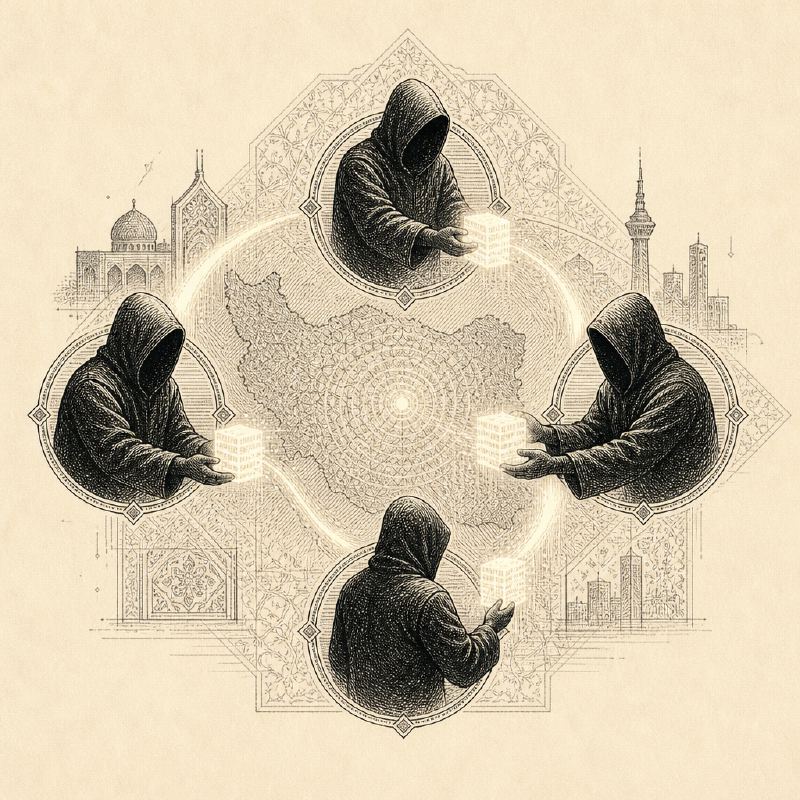
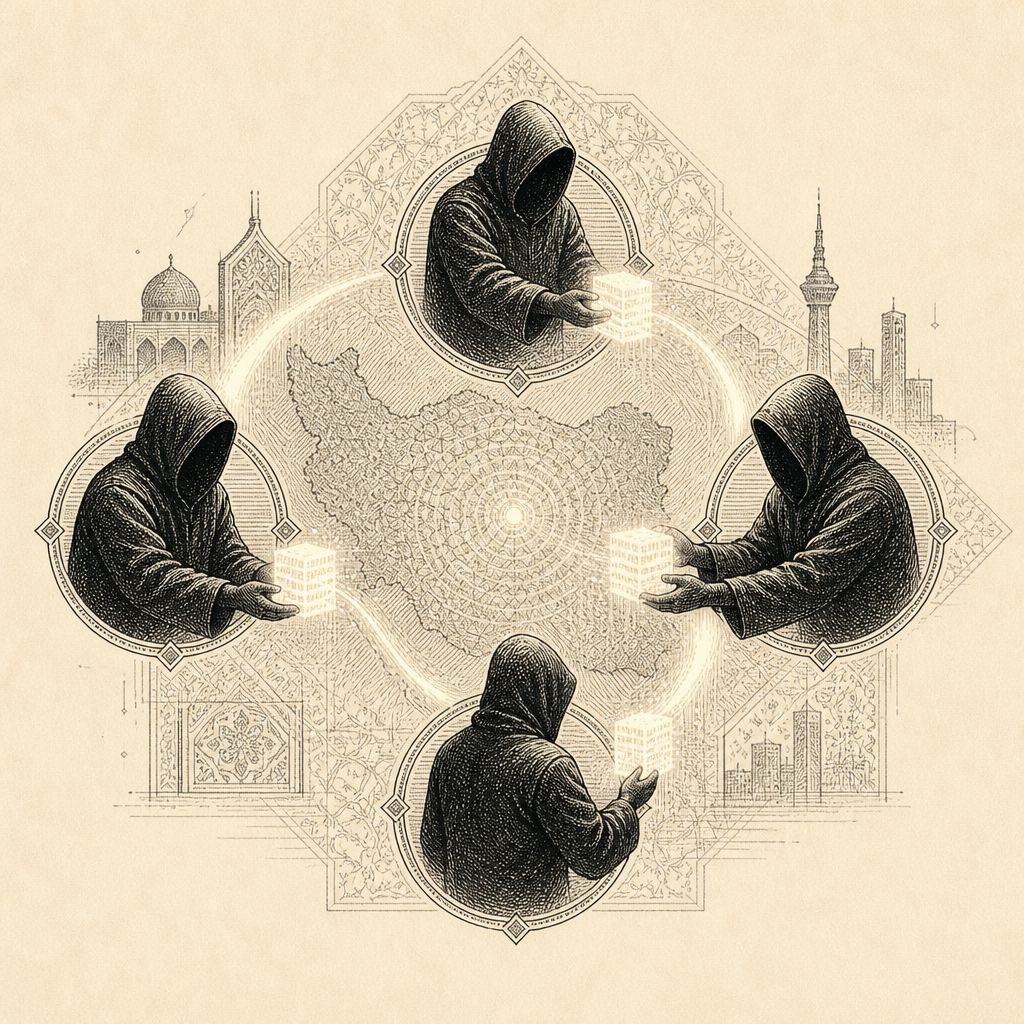
AttackIQ has published new research that maps the intricate relationships between 20 Iranian state-sponsored cyber threat groups, revealing a concerning pattern of network access hand-offs that facilitate destructive attacks. The report, "Weighing Cyber Power: Evaluating the Strategic and Operational Significance of Iran’s State-Sponsored Cyber Capability," consolidates fragmented reporting to present a unified view of these adversaries, their links to government institutions, and the contractors supplying their personnel and tools.
The research highlights a significant convergence of tactics, where intelligence-gathering operations are deliberately transformed into destructive attacks. In one documented instance, the group Helix Kitten (also known as Scarred Manticore) conducted prolonged intelligence collection within a compromised network before transferring access to Banished Kitten (Void Manticore), which then pursued destructive objectives. A similar pattern was observed with Static Kitten (Mango Sandstorm) establishing access and passing it to Storm-1084, an operator focused on destructive actions.
This coordinated approach allows Iranian actors to maximize their impact and operational sophistication. The report notes that even smaller, specialized groups can play crucial roles in larger campaigns. For example, in an attack against the Albanian government, four distinct groups contributed to a single operation, encompassing reconnaissance, initial access, data theft, and the deployment of destructive tools. This interconnectedness makes it difficult for defenders to track and attribute individual attacks, as the same groups are often tracked under multiple aliases.
AttackIQ's analysis classifies the 20 identified Iranian adversaries into three tiers: Heavyweight, Lightweight, and Featherweight, based on their organizational significance, operational relevance, and demonstrated capabilities. While Iran may not possess the same level of technical sophistication as some other state actors, it compensates through high operational cadence and a broad targeting strategy. Francis Guibernau, Senior Adversary Research Engineer at AttackIQ, stated, "They target anything and everything, on every operating system and in industrial environments. That volume, combined with how freely these groups share access, is what makes the ecosystem dangerous."
Furthermore, the research indicates that destructive attacks are often disguised as ransomware or hacktivism to obscure the true intent. Pioneer Kitten, for instance, has been observed providing access to compromised networks for criminal ransomware affiliates. This obfuscation adds another layer of complexity for incident responders and threat intelligence analysts.
The report also emphasizes that initial targets may serve as stepping stones to more heavily defended organizations. By compromising subsidiaries, contractors, and suppliers, Iranian groups can gain access to critical infrastructure and defense industrial base entities that would otherwise be more difficult to breach directly.
To aid defenders, AttackIQ plans to release adversary emulation capabilities based on the documented tactics, techniques, and procedures (TTPs) of these Iranian threat actors. These emulations will allow security teams to test their defenses, identify gaps, and prioritize improvements against realistic threat scenarios. The research consolidates over 200 references, more than 2,600 procedures, and thousands of indicators, validated against real-world activity observed by Fortune 150 companies and intelligence community partners.
This comprehensive mapping of Iran's state-sponsored cyber ecosystem provides crucial insights for organizations seeking to understand and defend against evolving threats. By understanding the interdependencies and operational hand-offs between these groups, defenders can better anticipate and mitigate the impact of sophisticated, multi-stage cyber campaigns.