
INTERPOL Report Highlights Surging Phishing, Ransomware, and AI Scams Across Asia-Pacific
INTERPOL's 2025/2026 report warns of a dramatic rise in cybercrime across Asia and the South Pacific, driven by AI-powered scams, ransomware-as-a-service, and rapid digitalization.
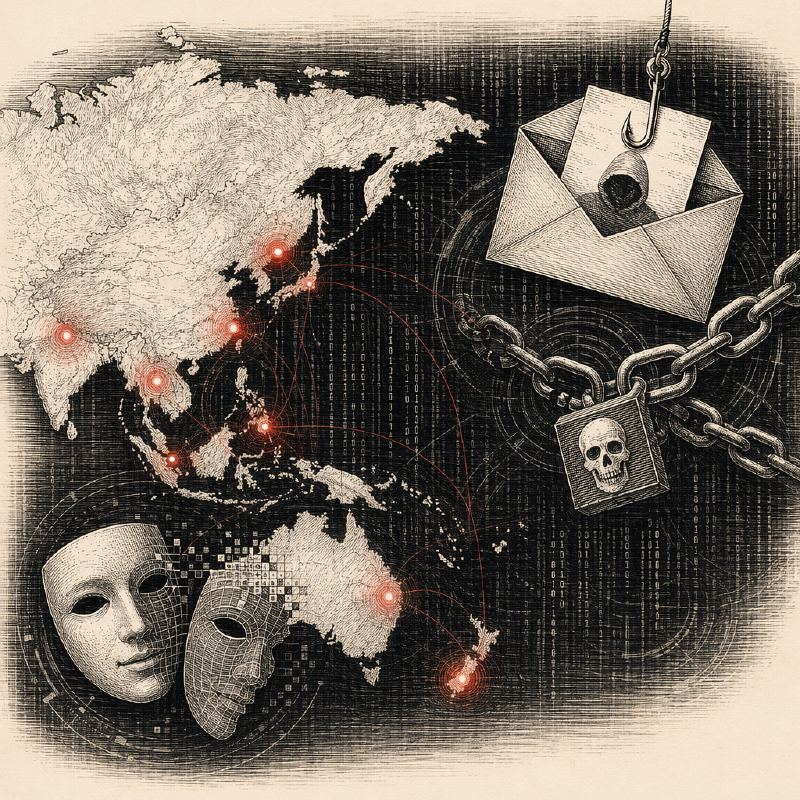
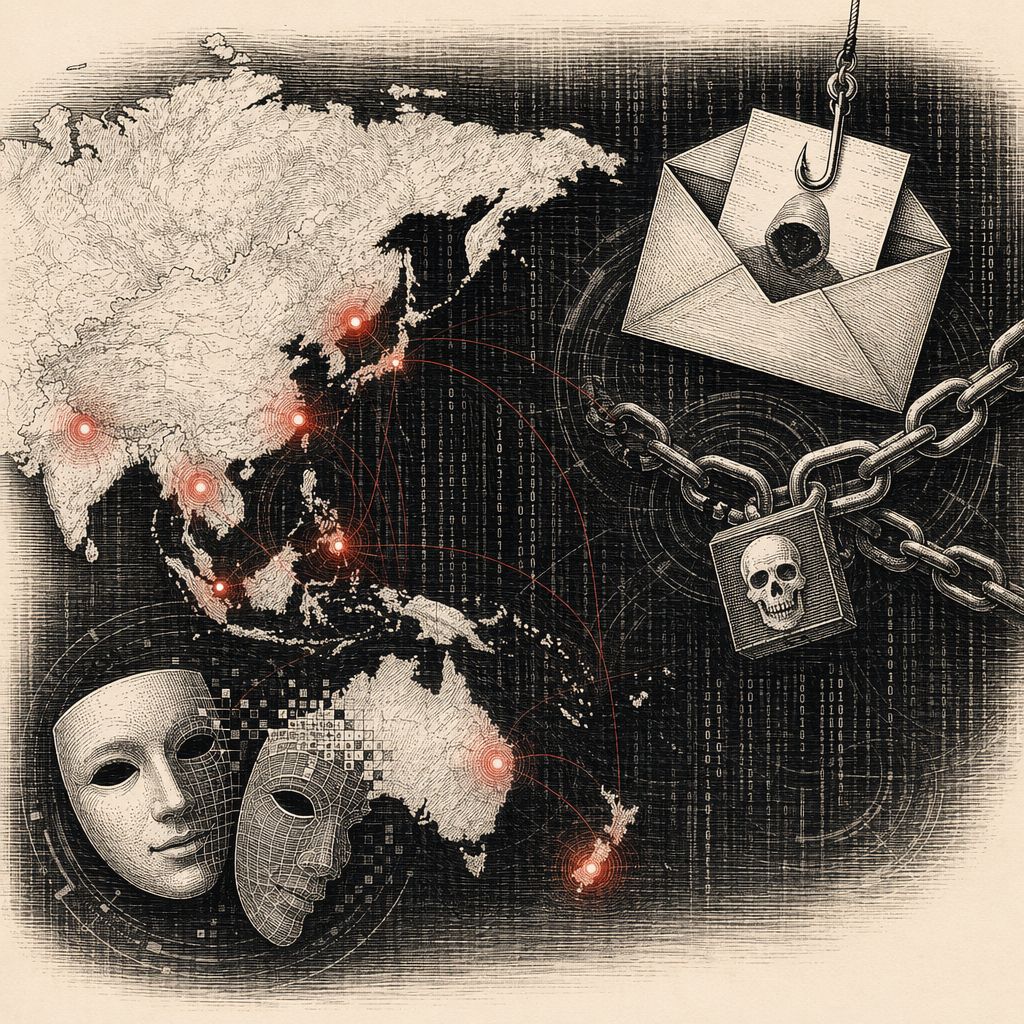
A new INTERPOL report reveals a 'dramatic increase' in cybercrime across Asia and the South Pacific, with phishing, ransomware, and AI-enabled scams reaching unprecedented levels. The 2025/2026 Asia and South Pacific Cyberthreat Assessment Report highlights how rapid digitalization, uneven cybersecurity maturity, and organized criminal networks are fueling a surge in attacks that now account for at least 30% of all crimes in over half of the region's INTERPOL member countries.
Phishing has emerged as the most widespread and financially damaging threat, with a third of countries reporting more than 10,000 cases between January 2024 and March 2025. The region's phishing click rate is nearly double the global average, at 5.5 per 1,000 individuals compared to 2.9 globally. Banking trojans and information stealers like RedLine, Lumma, and LokiBot followed as the second most prevalent cybercrime type.
Ransomware attacks also surged, with over 135,000 incidents recorded across the region in 2024. The real estate, manufacturing, and financial services sectors bore the brunt of these attacks. Cybercriminals are increasingly leveraging ransomware-as-a-service models and weaponizing companies' regulatory obligations to intensify extortion pressure, according to the report.
AI-driven scams, including deepfakes and sophisticated social engineering, have become a major concern. Organized crime syndicates in Cambodia, Laos, Myanmar, and the Philippines have set up extensive scam centers using forced labor to carry out investment and romance scams. 'Organized crime in Myanmar, Cambodia, and Laos used deepfakes in 'romance baiting' scams, blending AI personas and social engineering to fuel $37 billion in regional cybercrime losses,' INTERPOL said.
Other key findings include a 92% surge in distributed denial-of-service (DDoS) attacks in 2024 compared to the previous year, and system intrusions accounting for approximately 80% of all data breaches. Weak encryption, misconfigured systems, and insufficient monitoring remain common entry points for attackers.
INTERPOL Cybercrime Director Neal Jetton emphasized the need for enhanced cooperation: 'As digital adoption accelerates across the region, strengthening operational cooperation, information sharing, and cyber resilience remains essential to protecting communities and critical infrastructure.' The organization is scaling up joint efforts including coordinated operations, collaborative investigations, and specialized training.
The report paints a picture of a region under increasing pressure from cybercrime that is becoming more industrialized and AI-augmented by the day. As the digital economy continues to expand rapidly across Asia and the South Pacific, the disparity in cybersecurity maturity between nations leaves critical gaps that criminals are eager to exploit.