
International Operation 'Joint Disruption Week' Targets West African Scammers, Rescues Trafficking Victims
A global law enforcement and industry coalition dismantled a significant scamming network based in West Africa, resulting in 28 arrests, the rescue of 117 trafficking victims, and the takedown of over 3.7 million fraudulent accounts.
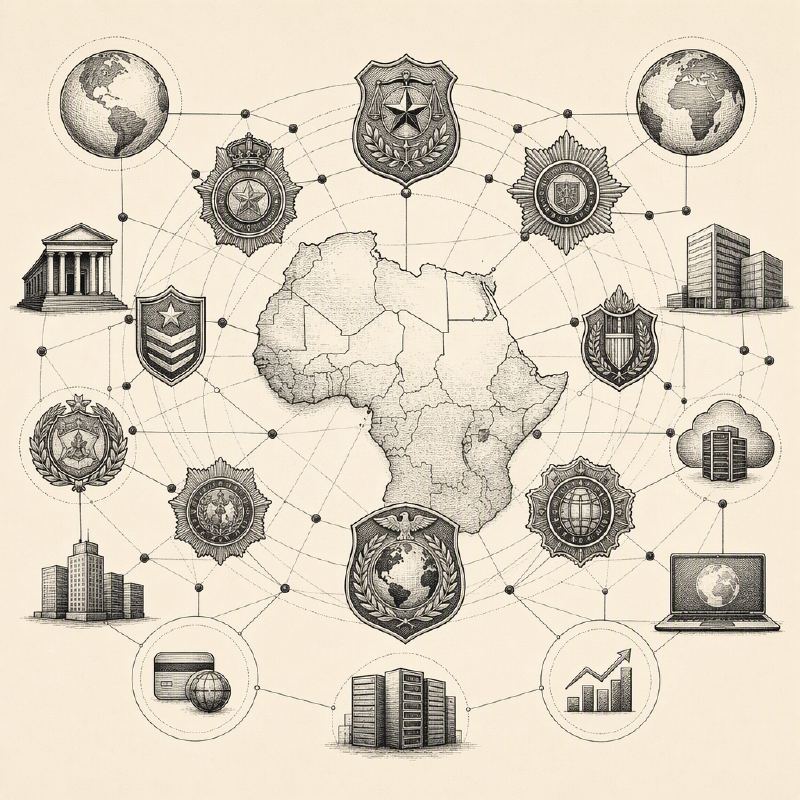
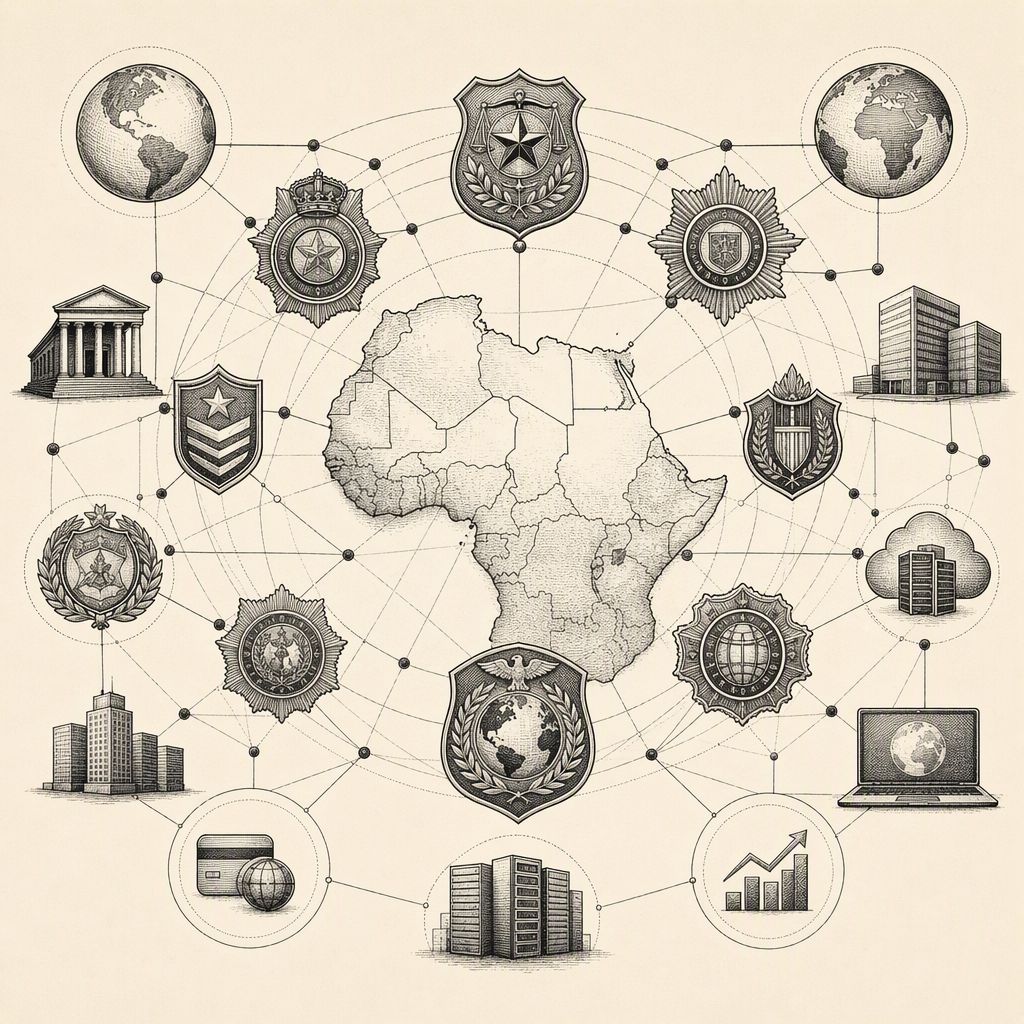
An extensive international operation, dubbed "Joint Disruption Week," has successfully targeted and disrupted a major scamming network operating out of West Africa. The multi-agency effort, involving law enforcement from multiple countries and significant contributions from the private sector, led to the arrest of 28 individuals, the liberation of 117 victims of human trafficking, and the removal of more than 3.7 million fraudulent online accounts. This crackdown represents a significant victory in the global fight against sophisticated online fraud.
The operation focused on a wide array of illicit activities, including impersonation scams, digital arrest extortion schemes, and the increasingly prevalent "pig butchering" investment scams. These operations, often orchestrated by transnational criminal organizations, prey on individuals worldwide, leading to substantial financial losses and personal distress. The Justice Department hailed the initiative as the largest joint scam operation to date and the first to specifically target the West African region, underscoring a new strategic focus in combating cybercrime.
"For so long, the problem of international scams seemed impossible to tackle," stated Kelly Milliron, acting chief of staff and counselor to the Assistant Attorney General leading the Criminal Division. "But now, because of collaborations like Joint Disruption Week, we have a plan, a consolidated approach, bringing together people that can bring solutions and, most of all, safety for our citizens." This sentiment highlights the growing recognition of the need for coordinated international efforts to counter the borderless nature of cybercrime.
The initiative involved a broad coalition of government agencies, including the U.S. Justice Department, FBI, Secret Service, Treasury Department, Homeland Security Investigations, and the UK's National Crime Agency, alongside Nigerian and Ghanaian law enforcement bodies. Support also came from Australia, Canada, India, and New Zealand. The private sector played a crucial role, with tech giants like Meta, Google, Microsoft, and OpenAI, alongside cybersecurity firms and cryptocurrency exchanges such as Binance and Coinbase, contributing resources and intelligence.
Meta, for instance, reported removing over 3.7 million accounts, groups, and pages from Facebook and Instagram that were linked to West Africa and primarily targeted users in the United States and the United Kingdom. The operation also identified over $11 million in funds that are now subject to potential freezing and seizure, though officials noted that legally seizing these assets requires further investigative work.
While the operation began with raids in Ghana in September, the designated "Disruption Week" last week marked a concentrated push. U.S. Attorney for the District of Columbia, Jeanine Pirro, emphasized the ongoing partnership with the United Kingdom as a key driver for the operation's success, aiming for parallel case building and joint targeting of fraud.
Officials acknowledged that identifying and freezing illicit funds is a complex process. Matthew Floyd, deputy assistant director of the FBI’s Criminal Investigative Division, explained that tracing and legally seizing assets requires thorough investigation, but the identified funds will be integrated into ongoing probes. The success of Joint Disruption Week is expected to pave the way for regular, albeit irregularly scheduled, joint operations.
The operation not only led to arrests and the dismantling of scam infrastructure but also facilitated the sharing of over 30 leads on scam centers among participating agencies. This collaborative intelligence sharing is vital for sustaining pressure on criminal networks and preventing the resurgence of such operations.