
Integrated Network Security: Embedding Defense into the Network Fabric
Organizations are increasingly embedding security functions directly into network infrastructure, transforming devices like routers and switches into active defenders to combat evolving threats.
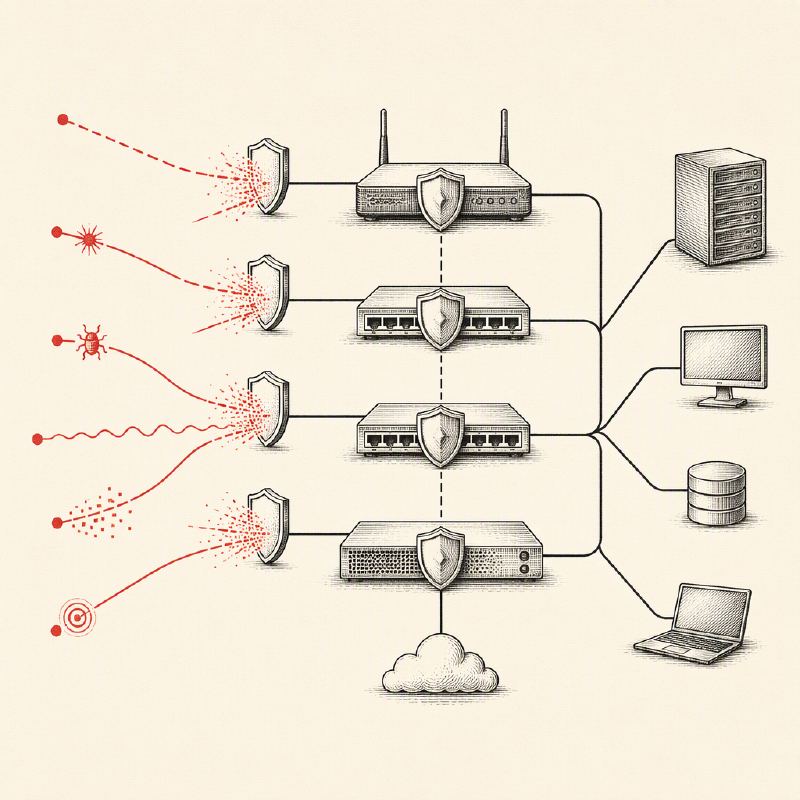
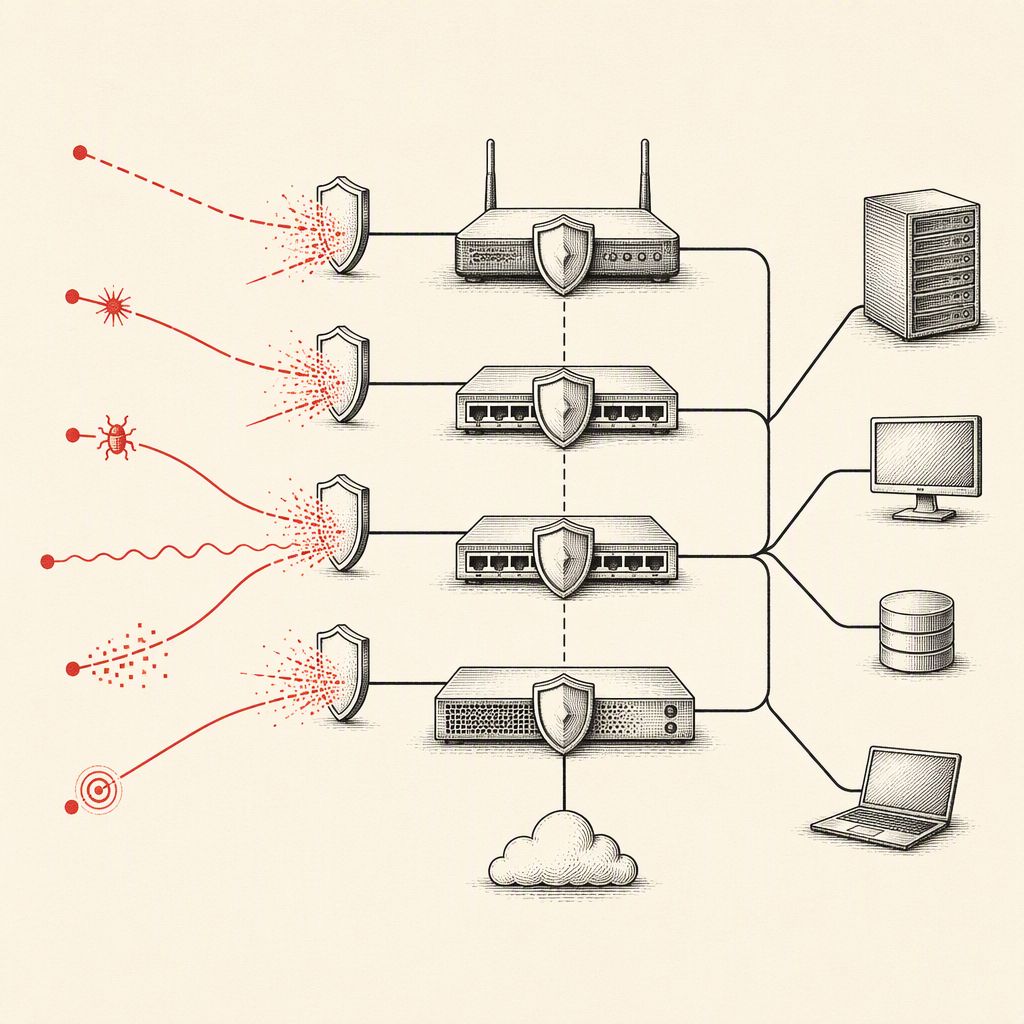
The traditional cybersecurity perimeter is dissolving, leaving organizations vulnerable as assets scatter across cloud, edge, and on-premises environments. In response, a paradigm shift is underway, moving security functions from disparate external tools to the very fabric of the network itself. This integrated approach transforms network devices like routers and switches into active defenders, capable of identifying and preventing threats at their source.
The core challenge addressed by integrated network security is the unsustainable complexity and cost of bolting on more security tools. This fragmented approach often leads to overlapping functionalities, conflicting policies, and critical gaps that attackers can exploit. Furthermore, it necessitates slow and difficult coordination between separate network and security teams, hindering response times and increasing operational overhead.
By unifying networking and security, organizations can achieve several key benefits. Standardization is paramount, allowing security policies to be encoded directly into the network, ensuring consistent application across all connected assets. This "implement once, run everywhere" capability simplifies management and eliminates policy drift. Agility is another critical advantage, especially in the age of AI-driven threats. Centralized policy management enables rapid adaptation to the fast-changing threat landscape, providing a single source of truth for security insights.
Integrated network security also simplifies operations and fosters a more collaborative environment. It provides a foundation for implementing zero-trust principles, such as micro-segmentation, which limits lateral movement and contains the blast radius of attacks. This approach aligns with NIST's SP 800-207 standard, focusing on asset-level protection rather than traditional, less secure perimeter-based authentication. Moreover, by creating a common fabric, it bridges the gap between traditionally siloed network and security teams, enabling them to work more cohesively.
Artificial intelligence plays a dual role in this evolution. AI is being integrated into network operations for predictive maintenance and performance optimization through AIOps. Simultaneously, AI's pattern recognition and predictive capabilities are being leveraged to enhance security, enabling proactive threat detection and prevention. As attackers increasingly use AI to augment their assaults, organizations must adopt AI-powered defenses to avoid falling behind.
Organizations can begin integrating security into their networks through various entry points. Unified SASE (Secure Access Service Edge) offers secure access for remote users while simplifying network and security management. Hybrid mesh firewalls provide consistent policy enforcement across diverse network domains, including data centers and cloud environments. Universal zero-trust network architectures aim to secure every identity, device, and workload. Additionally, AIOps solutions enhance visibility, accelerate troubleshooting, and automate operations, all contributing to a more robust security posture.
This strategic integration of security into the network fabric is not merely an operational enhancement; it is a fundamental re-architecting of defenses to meet the demands of modern, complex, and rapidly evolving threat landscapes. By making the network itself a primary security control point, organizations can achieve faster detection, stronger enforcement, and a significantly reduced attack surface.