
Industrial Gateways Broadcast Insecurity, Exposing OT Systems
Internet scans reveal a significant number of industrial serial gateways lack authentication and publicly broadcast this vulnerability, creating easy entry points into critical operational technology systems.
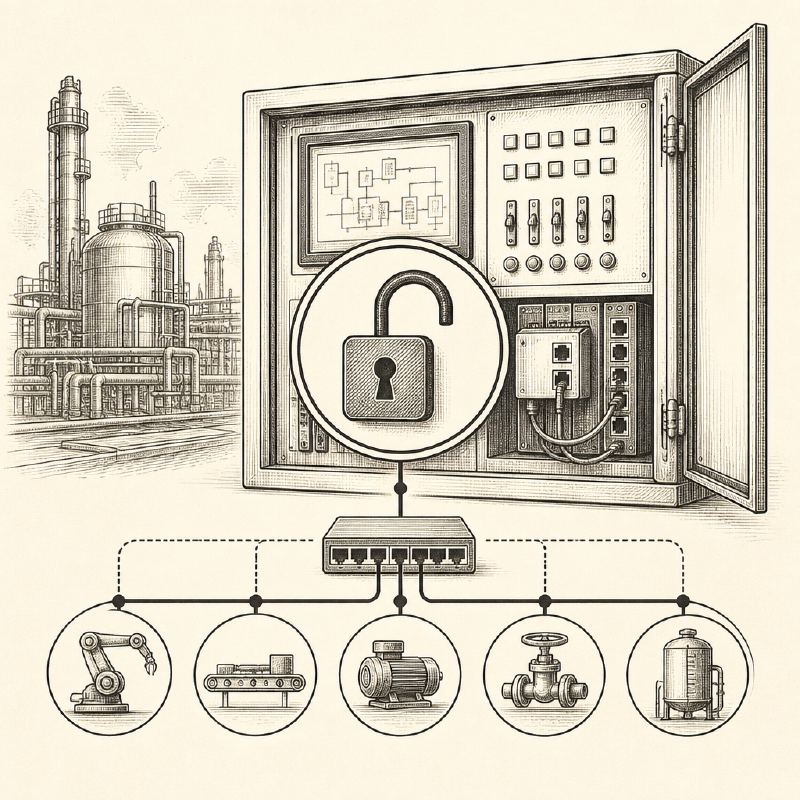
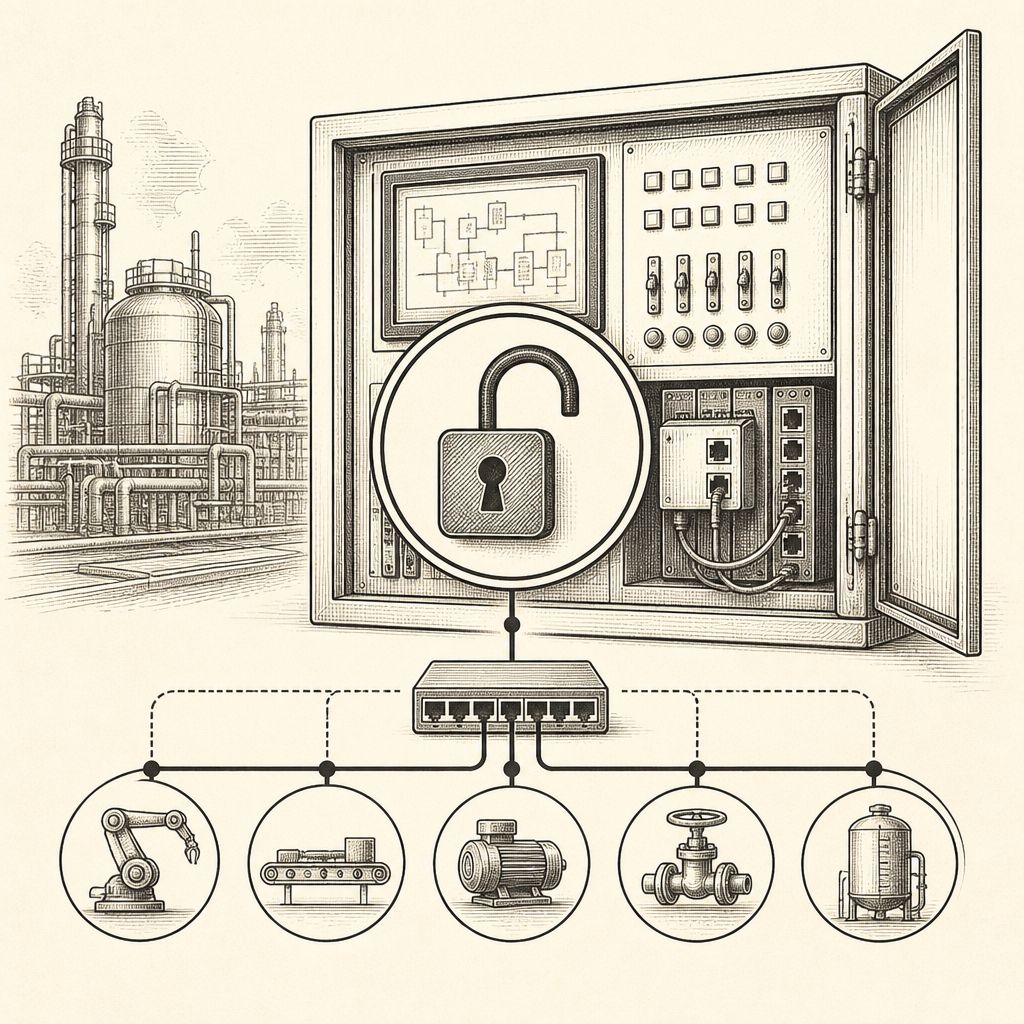
A recent investigation into industrial serial gateways has uncovered a widespread and alarming security oversight: many of these critical devices, responsible for bridging operational technology (OT) systems with IP networks, are not only unauthenticated but actively advertise this weakness to the internet.
Adrian Cheek, a senior cybercrime researcher at Flare, conducted a probe of the internet and identified thousands of serial-to-IP gateways. His findings indicate that a substantial portion of these devices respond to unsolicited probes by revealing their authentication status. Alarmingly, a significant majority of those that disclosed their status reported that authentication was disabled, leaving them wide open to unauthorized access.
The implications of such exposed gateways are severe. These devices act as translators between the digital world and physical industrial machinery, including SCADA systems. An unauthenticated and accessible gateway can serve as a direct conduit for internet-based threats to infiltrate and potentially disrupt safety-critical industrial operations, bypassing the need for complex vulnerability exploitation.
Cheek's research identified 2,474 exposed serial-to-IP gateways, with a notable concentration in Russia. Of the devices that responded with their authentication status, a staggering 77% indicated that authentication was off. This means that nearly 40% of all internet-exposed gateways visibly lacked authentication, a critical security failing.
Several factors contribute to this precarious situation. Often, these devices are installed by integrators, configured for basic functionality, and then left unmonitored for years. Operators may not even be aware of their existence, especially if they were part of a larger equipment installation. Furthermore, enabling security features can sometimes break compatibility with older SCADA software or virtual serial port drivers, leading to operational disruptions that integrators and operators are hesitant to risk.
Despite these challenges, the risk posed by exposed, unauthenticated serial gateways is substantial. They provide an easy entry point into sensitive OT environments, allowing threat actors to control or disrupt systems without needing to exploit any vulnerabilities. Attackers can also leverage the vendor's own tools, making malicious activity harder to distinguish from legitimate traffic.
To mitigate these risks, OT operators are advised to conduct thorough inventories of their devices, understand their network configurations, and verify isolation between devices and networks with their carriers. Locking down data ports by restricting access to authorized IP addresses, disabling unused services like discovery protocols and Telnet, and implementing strict firewall rules are crucial steps.
Ultimately, preventing unauthorized access to these gateways is paramount. While patching and authentication are important, restricting network reachability to these devices offers the most effective defense. As Cheek notes, even a secured gateway is often connected to inherently insecure serial devices, making the gateway itself the primary point of defense against external threats.