
India Mandates SIM Binding for Messaging Apps, Potentially Disrupting WhatsApp Access
India's Department of Telecommunications will require messaging apps like WhatsApp to implement SIM-binding by January 1, 2027, to combat fraud and enhance traceability.
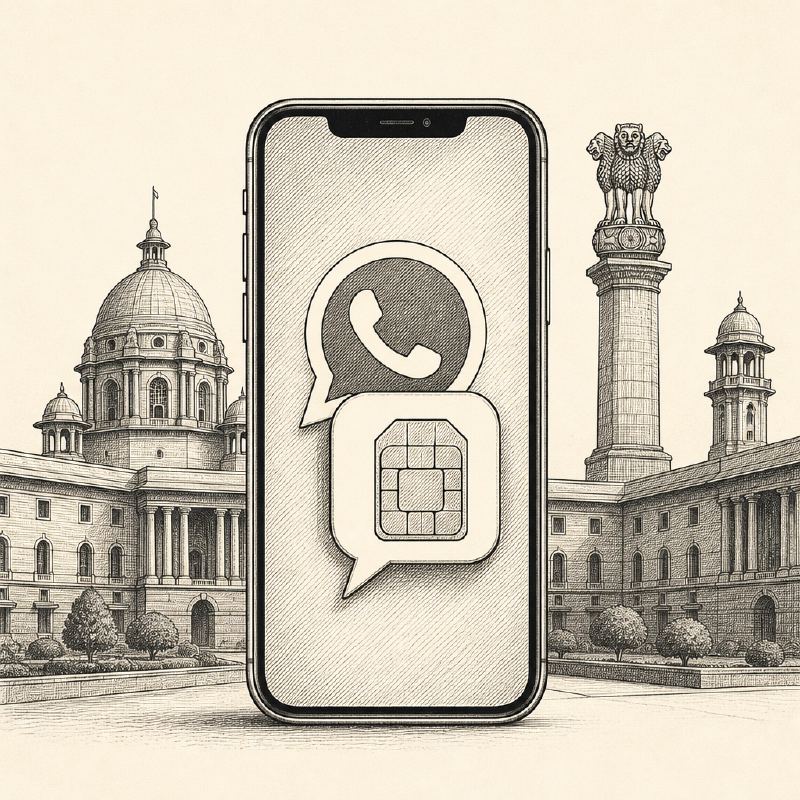
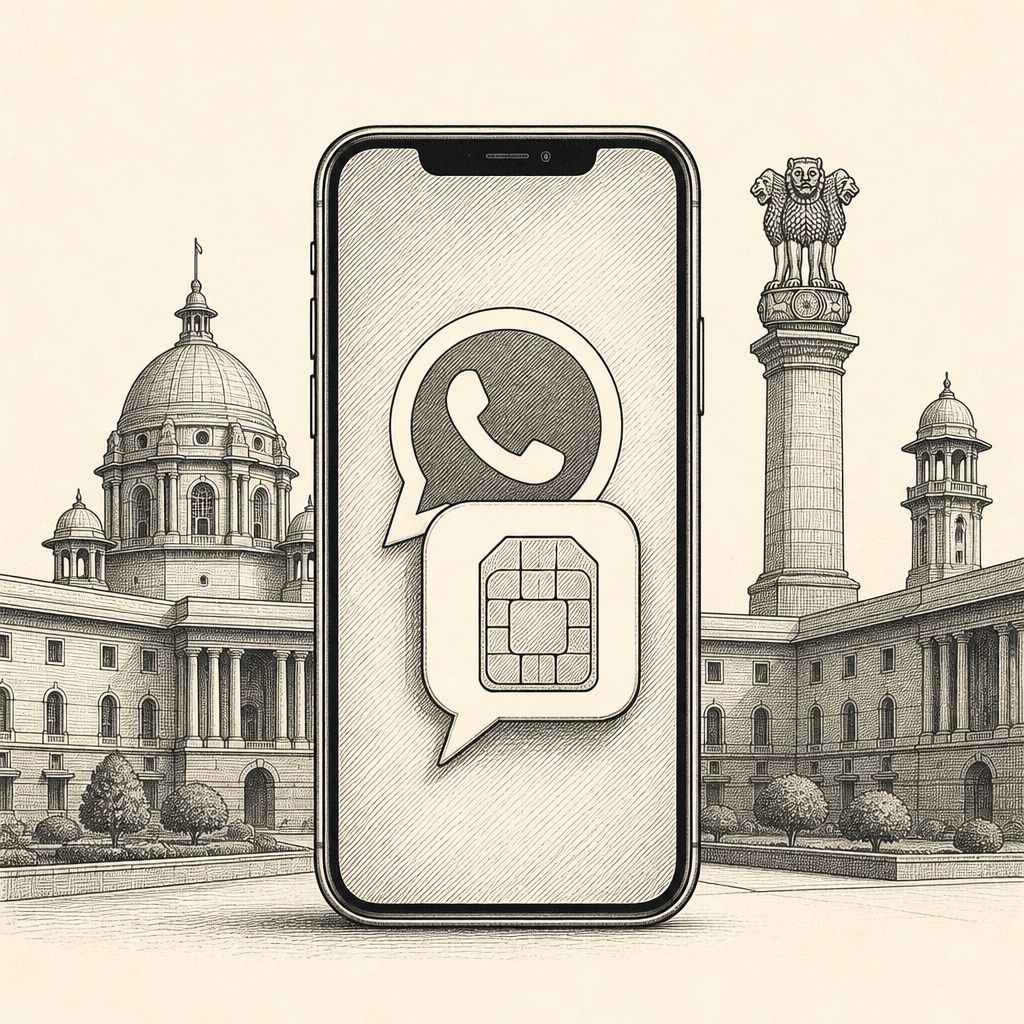
India is set to implement new regulations requiring messaging applications, including the widely-used WhatsApp, to bind user accounts to a registered SIM card. This mandate, slated to take effect on January 1, 2027, aims to bolster traceability and combat the escalating problem of cyber fraud and scams that leverage Indian mobile numbers. The Department of Telecommunications (DoT) has reportedly given messaging platforms until December 31, 2026, to comply with these new rules.
The core of the new regulation is SIM-binding, which moves beyond the current practice of one-time verification codes. Instead, it mandates an ongoing link between a messaging account and the active SIM card associated with its registered phone number. This means that accounts must remain connected to the SIM that was used for registration to continue functioning. The DoT's rationale stems from the exploitation of existing gaps by criminals, who use Indian numbers for phishing, investment scams, and fraudulent government calls, often operating remotely or from outside India. The government cited cyber-fraud losses exceeding ₹22,800 crore in 2024 as a significant driver for this policy change.
This new requirement could significantly impact users who rely on secondary devices such as tablets, older smartphones, or other connected gadgets that may not have an active, registered SIM card installed. The ongoing link ensures that the government can more easily trace the origin of communications and hold individuals accountable, thereby enhancing the overall security and integrity of digital communications within the country. The DoT's original directions, issued under the Telecom Cyber Security Rules, 2024, specifically name WhatsApp, Telegram, Signal, Snapchat, Arattai, ShareChat, Josh, and JioChat as services subject to the new mandate.
While the SIM-binding rule is designed to prevent accounts from being operated remotely or after the associated SIM has been removed or deactivated, it's important to note that it is not a foolproof solution against all forms of cybercrime. The government has acknowledged that this measure alone will not prevent every scam or account takeover. For instance, the threat of device-linking scams, where users are tricked into approving an attacker's linked device, remains a separate concern. Cybersecurity News has previously reported on attacks like WhatsApp's GhostPairing, which highlight the need for users to remain vigilant about device security and review linked sessions regularly.
Furthermore, the implementation details for linked devices and companion applications are still being determined by each platform. The original order's requirement for web sessions to log out every six hours has reportedly been replaced with a more flexible, risk-based approach. This means sessions might be terminated upon detection of suspicious activity, potentially disrupting users who frequently switch or remove SIM cards, especially those who travel internationally. The exact user experience and potential disruptions will depend on how each messaging service adapts its technology to meet the new regulatory demands.
Users are advised to treat January 1, 2027, as the expected rollout date for these changes. It is unlikely that all unsupported setups will cease functioning simultaneously on this exact date. The actual impact will unfold as messaging platforms finalize their compliance strategies and introduce the necessary technical modifications. In the meantime, users should ensure their accounts are associated with a valid, active SIM and remain aware of other security risks, such as approving unfamiliar linked devices, to maintain the security of their messaging accounts.
The DoT's move underscores a global trend of governments seeking greater control and oversight over digital communication platforms to combat cybercrime and ensure national security. While the intention is to create a safer digital environment, the practical implications for user convenience and the potential for unintended consequences will be closely watched as the January 2027 deadline approaches. The focus on SIM-binding represents a significant step in regulating over-the-top (OTT) messaging services within India's telecommunications framework.