
Hisense Smart TVs Track Viewing Habits via Audio Fingerprinting, Even Without Ad Personalization
Researchers discovered Hisense smart TVs collect viewing data using audio fingerprinting, regardless of personalized ad settings, raising privacy concerns.
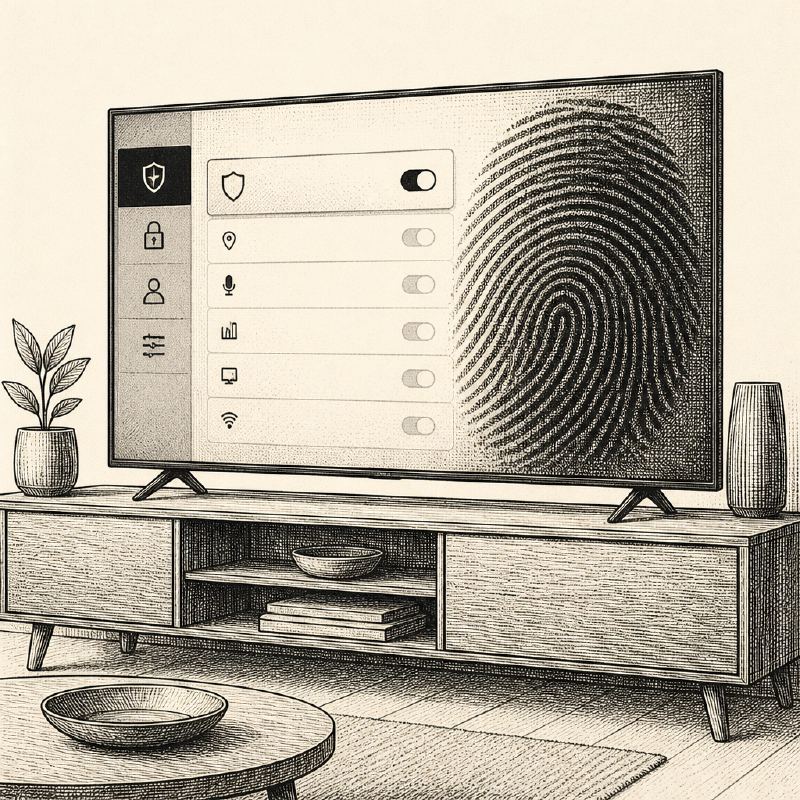
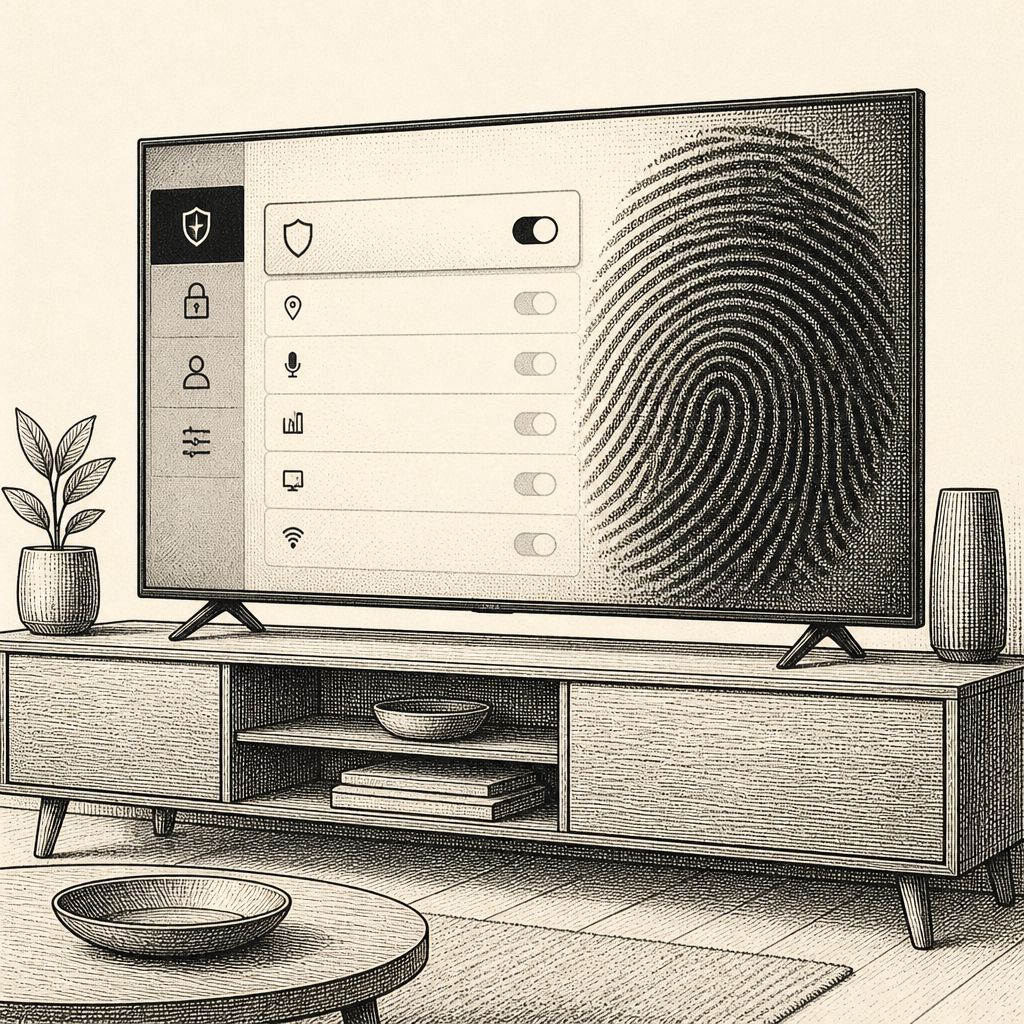
A recent technical analysis has revealed that certain Hisense smart TV models continue to collect viewing data through audio fingerprinting, even when users have disabled personalized advertising features. The investigation, focusing on a Hisense 55U65QEVS running VIDAA U09.60, found that a background service named HamService utilizes Automatic Content Recognition (ACR) to analyze audio from all connected inputs, including HDMI devices.
This ACR process captures audio snippets and generates unique fingerprints, which are then transmitted to the advertising firm Nexxen. Unlike traditional microphones that listen to ambient room sound, this system analyzes the audio output directly from the TV's decoder. This means that content played through external devices like gaming consoles or cable boxes is also subject to this tracking.
The service operates by analyzing audio across 72 frequency bands approximately four times per second. Roughly every 2.7 seconds during playback, it sends a small, 90-byte fingerprint over an encrypted connection. Alongside this fingerprint, the transmitted data includes a device ID, timestamp, the name of the application or input source, and the input number.
While the generated fingerprint is not a playable recording, it can be compared against a database of known soundtracks by a matching service. Researchers successfully recreated audio fingerprints using a test film, demonstrating that the TV could accurately identify content. In one test session, the TV logged a match for a documentary, indicating its capability to identify viewed content.
Nexxen's ACR data services are designed to help advertisers target specific audiences based on their viewing habits, the advertisements they encounter, and the applications they use. This finding follows previous reports of smart TV tracking, including concerns about data collection over HDMI and similar traffic observed on Samsung and Vizio televisions after users opted out of ACR.
To mitigate this tracking on the tested UK model, users can navigate to Settings → Support → Disclaimer and Privacy → Data Sharing, Privacy and EULA. There, they must clear the "Agree to Enhanced Viewing Service" option and save the changes. Subsequently, under Settings → System → Advanced Settings → Enhanced Viewing Settings, users should ensure "Enable Automatic Content Recognition" is turned off.
Following the opt-out, testing showed that the HamService ceased its connection to Nexxen, and no further outbound packets were observed from the service for a period. However, the report notes that the service itself continued to run. Crucially, the persistence of this opt-out across video playback, system reboots, or firmware updates was not verified.
For consumers concerned about their viewing data privacy, it is recommended to verify and disable the "Enhanced Viewing Service" settings, even if personalized ads have already been turned off. This measure aims to limit the collection and transmission of viewing habits by the smart TV manufacturer and its partners.