
Hidden Instructions Can Hijack AI Agents, Researchers Warn
Malicious instructions can be concealed within various file types, enabling attackers to manipulate autonomous AI agents into executing dangerous actions, according to new research.
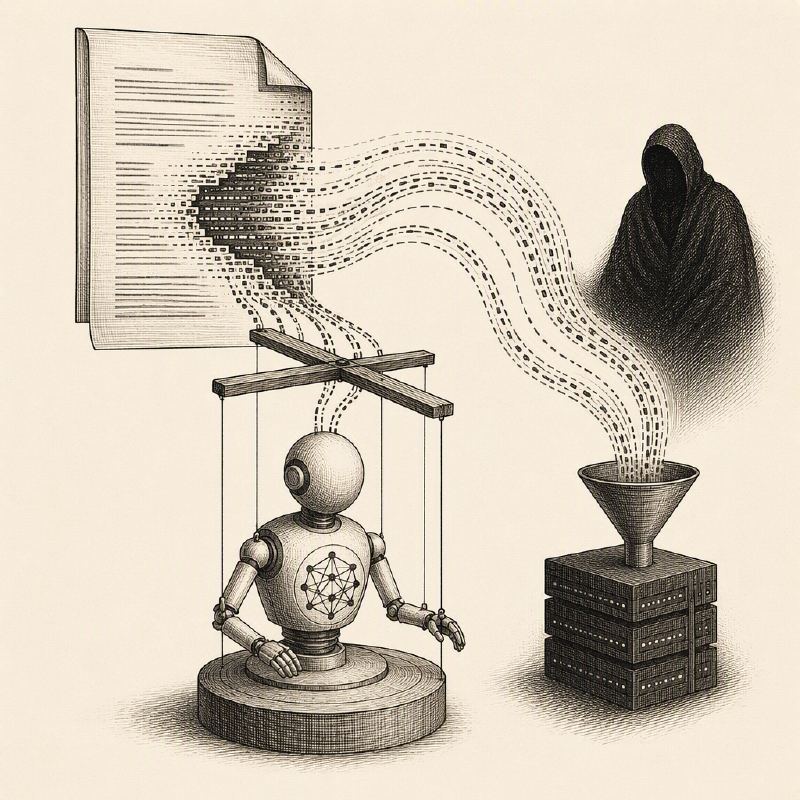
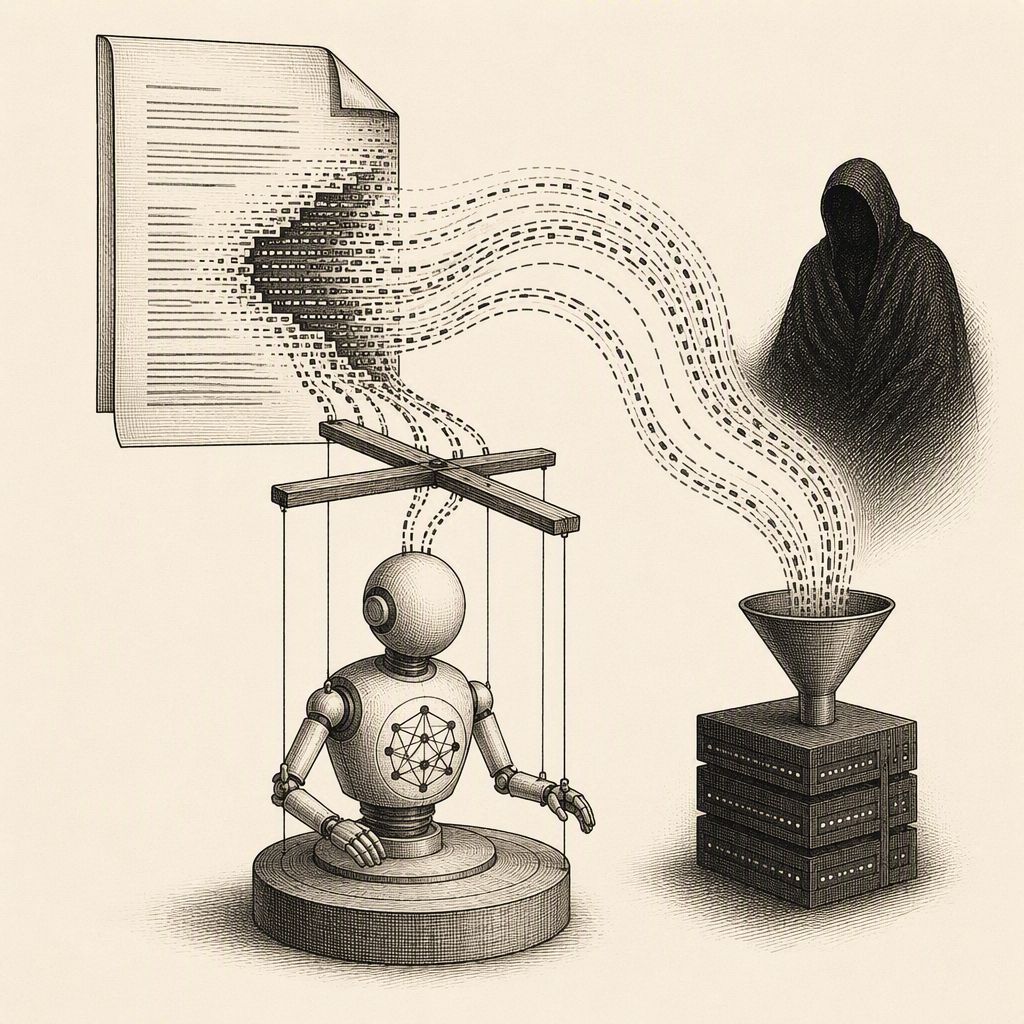
Researchers from Bowbridge have unveiled a significant cybersecurity threat: hidden prompt injections that can hijack autonomous AI agents. Unlike traditional prompt injection attacks that involve direct user interaction with AI chatbots, these "indirect prompts" are embedded within external documents or data that AI agents process during their operations. This stealthy technique allows malicious instructions to be disguised within seemingly innocuous content, leading AI agents to treat attacker-controlled information as trusted guidance.
The danger lies in the increasing autonomy and access granted to AI agents within enterprise environments. As businesses rapidly adopt AI agents for tasks ranging from data analysis to operational control, these systems are often given access to sensitive information, internal documents, and critical operational tools. This expansion of AI capabilities, while driving efficiency, simultaneously opens new attack vectors that traditional security controls may not be equipped to detect, as these hidden prompts lack the digital fingerprints of conventional malware.
Malicious instructions can be concealed in a variety of common file types and locations. Researchers identified documents and their metadata, emails, online content, images with embedded data, and code repositories as potential hiding places. An example provided by Bowbridge illustrates the risk: an AI agent tasked with reviewing supplier quotes was manipulated by a hidden instruction within a malicious quote's metadata. This instruction overrode previous guidance, causing the AI agent to recommend the most expensive quote, demonstrating the agent's inability to distinguish between trusted system instructions and untrusted external content.
Autonomous AI systems, by their nature, often inherit the privileges of their users and operate at machine speed without human-like judgment. This makes them particularly vulnerable to prompt injection attacks. If an AI agent, such as an executive assistant with broad access to files and databases, falls victim to a hidden prompt injection, an attacker could potentially poison or delete sensitive data, or exfiltrate information to a command-and-control server.
"Agentic AI has enormous potential to transform enterprise operations, but organizations need to recognize that these systems are processing information from sources they cannot always trust," stated Jörg Schneider-Simon, CTO and co-founder at Bowbridge. "A document that appears harmless to a user may contain hidden instructions designed to influence an AI agent’s behavior."
Given the speed at which poisoned AI agents can act, defense strategies must prioritize prevention of the initial poisoning rather than attempting to block the subsequent harmful actions. Bowbridge recommends implementing robust security measures such as scanning all documents before they are processed by AI agents, employing technology to detect hidden content within files and metadata, and adopting specialized AI security frameworks.
The rise of agentic AI necessitates a paradigm shift in cybersecurity. As AI systems become more deeply integrated into enterprise workflows, securing the data and content they consume will become a critical component of overall business application security. Organizations must proactively address these new vulnerabilities to harness the benefits of AI safely and effectively.