
Harmony and BTCPay Server Suffer Major Exploits, North Korea Leverages AI for Crypto Attacks
The Harmony blockchain lost $100 million in a reentrancy attack, while BTCPay Server faced a vulnerability allowing fund theft, alongside reports of North Korea using AI for crypto exploits.
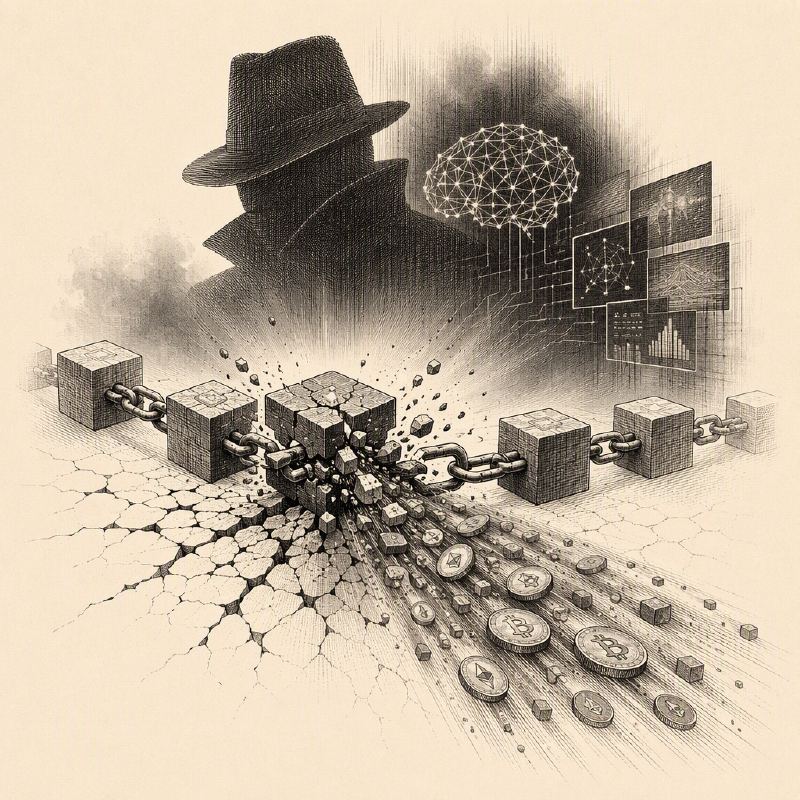
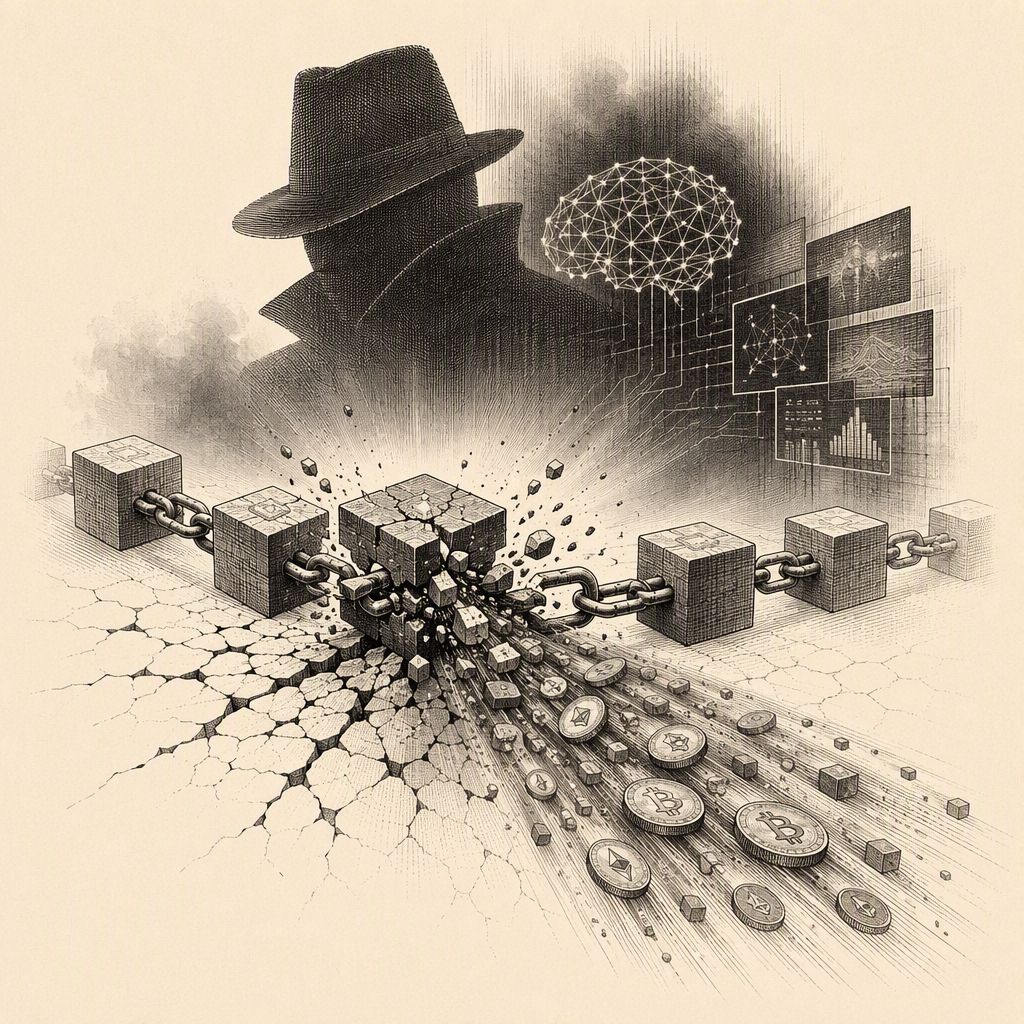
The cryptocurrency landscape was shaken this week by two significant exploits targeting the Harmony blockchain and BTCPay Server, resulting in substantial financial losses and highlighting ongoing security challenges in the digital asset space. The Harmony blockchain was hit by a sophisticated reentrancy attack that drained approximately $100 million from its network, a devastating blow to the platform and its users.
Separately, the popular BTCPay Server, a self-hosted cryptocurrency payment processor, experienced a critical vulnerability. This flaw reportedly allowed malicious actors to steal funds from merchants and users operating on the platform. While details on the exact mechanism and the total amount stolen from BTCPay Server are still emerging, the incident underscores the persistent threats faced by critical infrastructure in the crypto ecosystem.
Adding to the growing concerns, reports indicate that North Korean state-sponsored actors are increasingly leveraging artificial intelligence (AI) to enhance their cryptocurrency-related exploits. This strategic shift suggests a move towards more sophisticated and potentially automated attack vectors, aiming to overcome existing security measures and maximize illicit gains to fund the regime.
These crypto-specific incidents occurred amidst a broader crackdown on financial cybercrime. The U.S. Commodity Futures Trading Commission (CFTC) announced a significant $48 million fraud case, signaling regulatory efforts to curb illicit activities within the financial markets. Concurrently, an NFT founder was charged in connection with a $10 million scam, demonstrating the continued risks associated with the volatile non-fungible token market.
The U.S. Treasury Department also took action by sanctioning two Iranian exchanges, further tightening the noose on entities involved in facilitating illicit financial flows. These measures reflect a multi-pronged approach by global authorities to combat cyber-enabled financial crime, targeting both the technical exploits and the financial infrastructure that supports them.
The convergence of sophisticated technical exploits, the emerging use of AI in cyberattacks, and increased regulatory scrutiny paints a complex picture for the future of cryptocurrency security. As the industry matures, the sophistication of threats also escalates, demanding continuous innovation in defensive strategies and robust security practices from all participants.
These events serve as a stark reminder of the inherent risks within the digital asset space. The Harmony exploit, in particular, highlights the persistent dangers of reentrancy attacks, a well-known vulnerability class that requires diligent smart contract auditing and secure coding practices. The BTCPay Server incident points to the need for continuous monitoring and rapid patching of widely used financial infrastructure software.
As threat actors evolve their tactics, employing advanced techniques like AI, the cybersecurity community must remain vigilant. The interconnected nature of the blockchain ecosystem means that a single exploit can have cascading effects, impacting numerous users and projects. Proactive security measures, transparent incident response, and strong collaboration between platforms, developers, and security researchers are crucial to mitigating these ever-present threats.
The Harmony blockchain is undergoing a rollback after attackers forged over 3 trillion One tokens. This decision to discard all transactions post-exploit was made after considering other recovery methods. The exploit involved a flaw that allowed repeated processing of valid transactions, leading to the massive token forgery across multiple wallets and exchanges.