
Hardware Makers Proactively Integrate Post-Quantum Cryptography
Hardware manufacturers are beginning to adopt post-quantum cryptography (PQC) to safeguard against future threats posed by quantum computers, aiming to protect sensitive data from decryption by quantum algorithms.
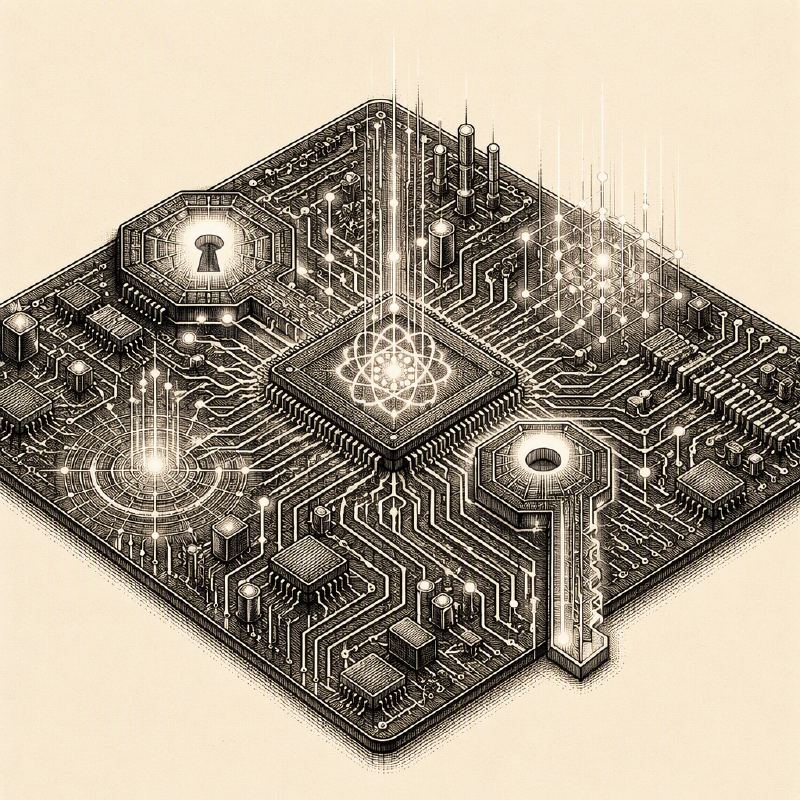
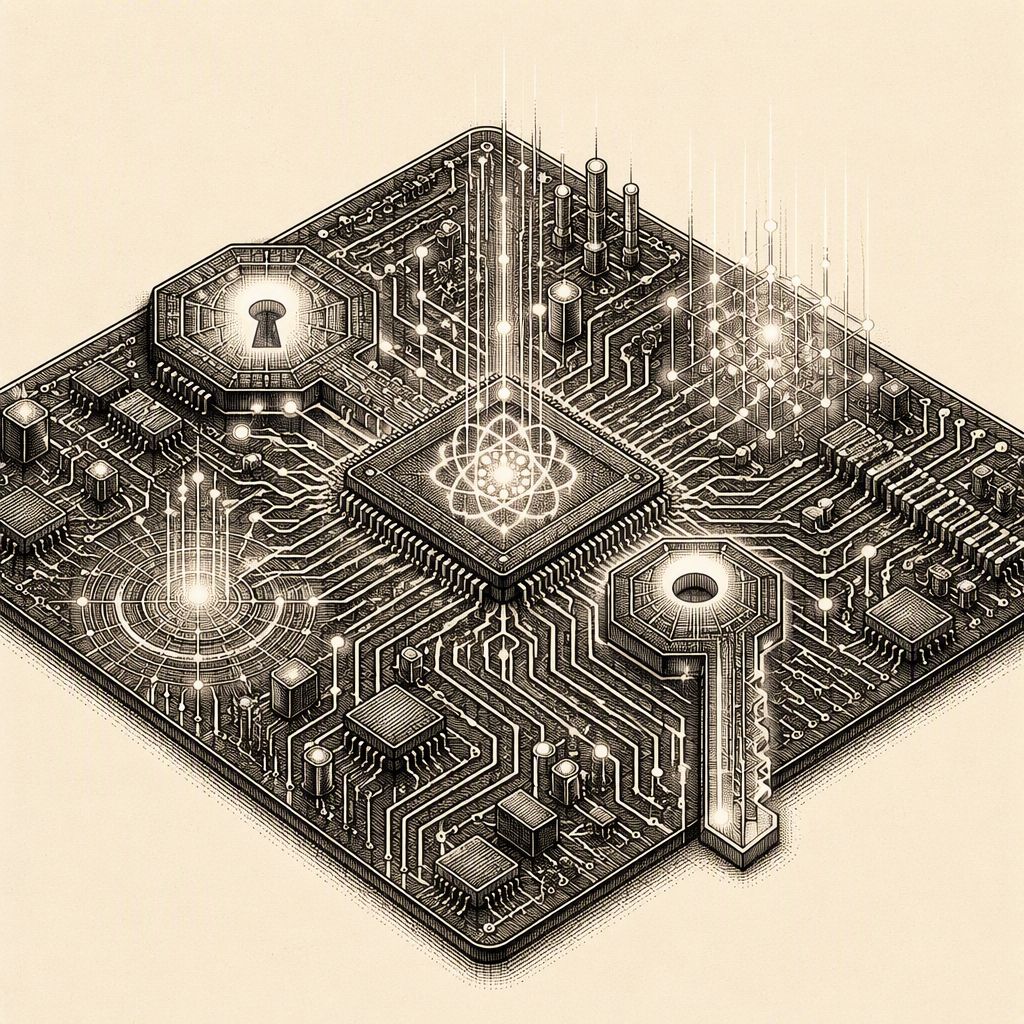
The cybersecurity landscape is bracing for a paradigm shift as hardware manufacturers increasingly integrate post-quantum cryptography (PQC) into their products. This proactive move is a critical defense against the anticipated threat of quantum computers, which possess the computational power to break current encryption standards, thereby rendering vast amounts of sensitive data vulnerable.
The transition to PQC is not merely an upgrade; it's a fundamental re-architecting of digital security. Current encryption methods, like RSA and ECC, rely on mathematical problems that are computationally infeasible for classical computers to solve. However, quantum algorithms, such as Shor's algorithm, are theorized to solve these problems efficiently, posing an existential threat to data secured today. Hardware makers are thus investing in new cryptographic primitives that are resistant to attacks from both classical and quantum computers.
This adoption signifies a growing recognition within the industry that the timeline for quantum computing's impact on security is shortening. While widespread, cryptographically relevant quantum computers are still some years away, the principle of 'harvest now, decrypt later' means that adversaries could be capturing encrypted data today, intending to decrypt it once quantum capabilities become available. Implementing PQC now is essential to protect long-lived secrets and ensure future data integrity.
The challenges in this transition are significant. PQC algorithms often come with larger key sizes and computational overhead compared to their classical counterparts. This can impact performance, storage requirements, and the overall design of hardware systems. Manufacturers must carefully balance the need for quantum resistance with the practical constraints of embedded systems, IoT devices, and high-performance computing platforms.
Furthermore, the standardization process for PQC algorithms, led by bodies like the National Institute of Standards and Technology (NIST), is ongoing. While NIST has selected initial algorithms for standardization, the cryptographic community continues to research and evaluate new proposals. Hardware vendors must navigate this evolving landscape, ensuring their implementations are based on robust, well-vetted standards while remaining adaptable to future developments.
This shift towards PQC in hardware is a crucial step in future-proofing digital security. It complements efforts in software and protocols to build a comprehensive defense-in-depth strategy against quantum threats. As more hardware components incorporate quantum-resistant encryption, the overall resilience of digital infrastructure against future computational advancements will be significantly enhanced.
The implications extend beyond mere data protection. Secure communication, digital signatures, and authentication mechanisms all rely on the underlying cryptographic primitives. By embedding PQC at the hardware level, manufacturers are laying the groundwork for a more secure digital future, ensuring that the foundational elements of trust and security can withstand the advent of quantum computing.