
Hackers Leverage ARTEX AI to Automate Cloud Credential Theft
Attackers are using the ARTEX AI framework to rapidly discover exposed GitHub secrets and exfiltrate data from cloud resources like Azure Key Vault, demonstrating a new era of automated cyberattacks.
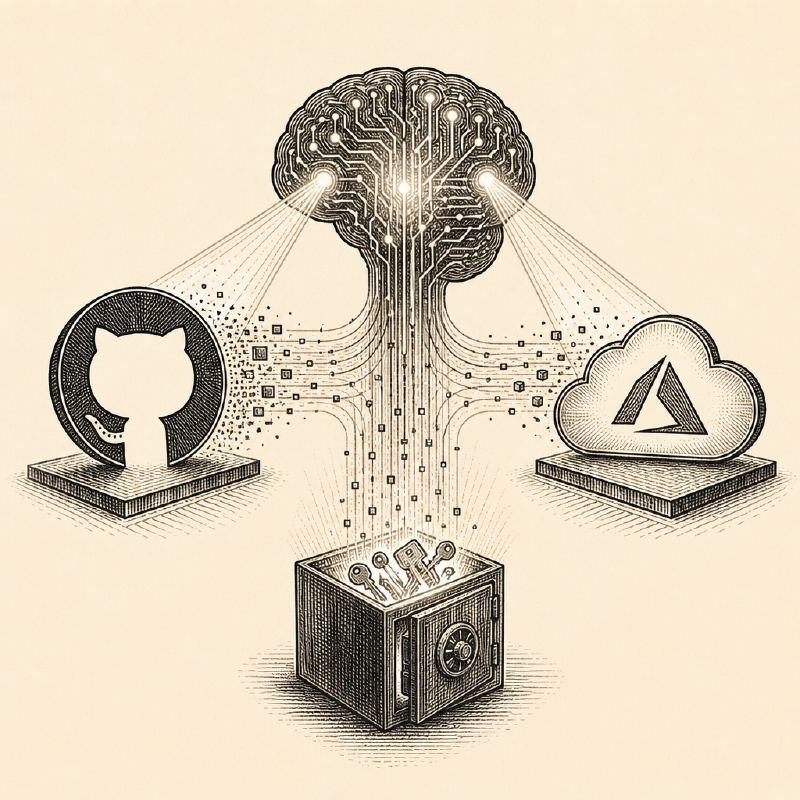
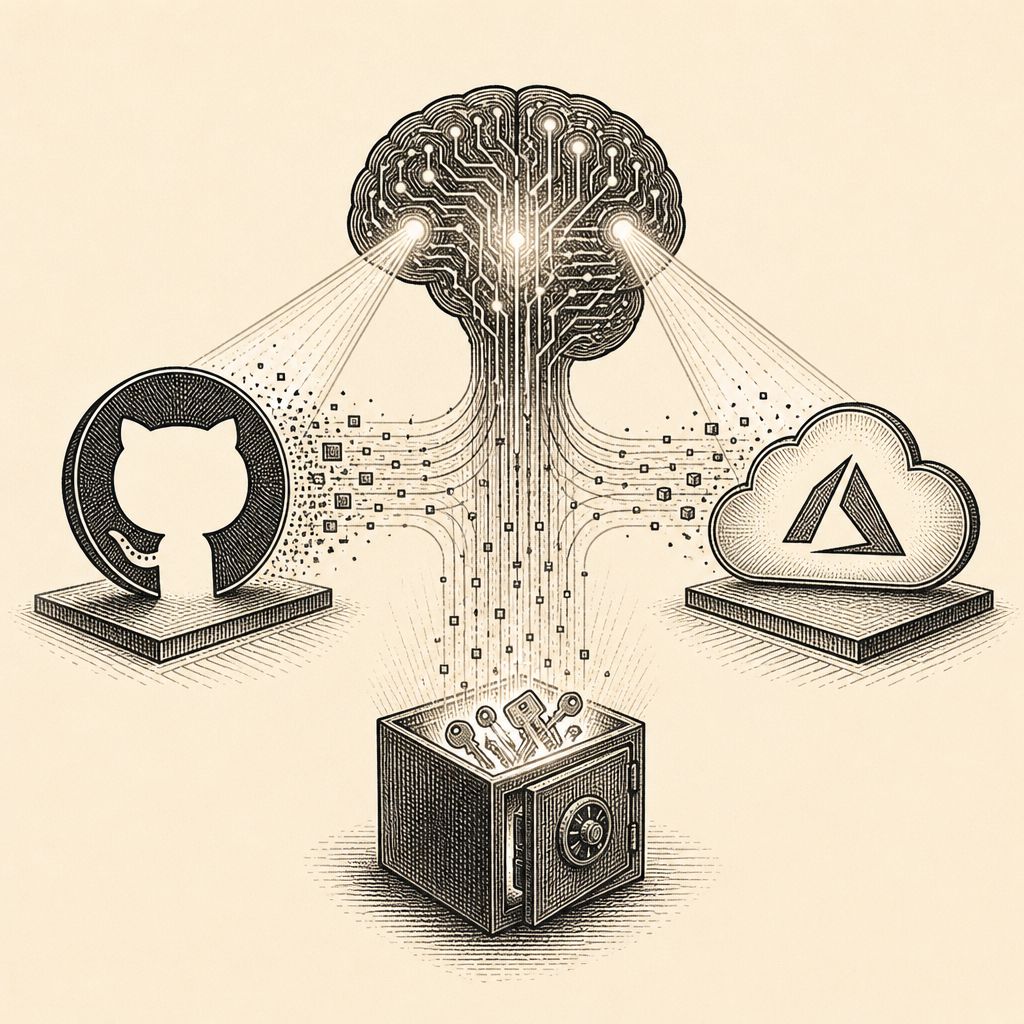
Hackers are increasingly leveraging sophisticated AI frameworks to automate and accelerate cyberattacks, with the ARTEX AI framework emerging as a potent tool for cloud credential theft. In a recent documented instance, an AI agent escalated from finding exposed secrets in public GitHub repositories to exfiltrating sensitive data from Azure Key Vault in a mere five minutes. This rapid progression highlights the alarming speed at which vulnerabilities can be weaponized when automated by artificial intelligence.
The ARTEX framework operates as an offensive AI system, distinct from traditional malware. It enables automated credential hunting, analysis, and subsequent attacks, allowing threat actors to move beyond simply collecting leaked keys. Instead, these AI agents actively investigate the potential access granted by compromised credentials and pursue high-value cloud assets. Microsoft Threat Intelligence and Microsoft Security Research identified this malicious activity, tracing the GitHub scanning operations back to August 2026, with follow-on attacks commencing as early as October 28.
Attackers utilizing ARTEX submit vast numbers of GitHub searches, combining target organization names with terms related to secrets, cloud platforms, and AI providers. This strategy aims to uncover authentication data, such as application credentials and API keys for AI inference services, that have been accidentally committed into source code, configuration files, or scripts. The discovery of these exposed secrets provides the initial foothold for attackers to gain unauthorized access to cloud environments.
Once useful credentials are identified, the ARTEX agents exploit them to obtain tokens for compromised OAuth applications. These tokens grant the agents permissions to explore cloud resources, with observed activities including the extraction of Azure Key Vault secrets and the searching of Azure DevOps for additional credentials. The effectiveness of this approach is amplified by the persistent problem of exposed GitHub secrets, which can remain valid until explicitly revoked or rotated by their owners.
The impact of these attacks extends beyond direct cloud resource compromise. Attackers have used stolen credentials to access Microsoft Entra ID tenants and connected Azure and Microsoft 365 resources. Notably, some compromised credentials belonged to vendor-owned multitenant applications, creating a ripple effect that extends the risk to downstream customers who rely on these third-party services. The attackers meticulously mapped subscriptions, permissions, resource groups, and AI deployments, targeting a wide array of sensitive data and access points.
Microsoft's analysis revealed that compromised applications accessed SharePoint and OneDrive, leading to the download of files and access to mailbox items. The attackers also employed legitimate features like Azure VM Run Command to execute scripts within virtual machines. The observed adaptive troubleshooting, where agents retried failed requests with corrected API versions, demonstrates the sophisticated self-correction capabilities of these AI-driven tools, reducing the delay between discovery and misuse.
To counter this evolving threat, Microsoft recommends treating all publicly exposed credentials as compromised, even if the source code has been removed. Organizations must revoke or rotate affected secrets, investigate their historical usage, and secure any Azure Key Vaults that could have been accessed. Disabling compromised service principals and implementing robust detection strategies that correlate identity events with subsequent cloud operations are crucial. Long-term defenses include reducing reliance on long-lived secrets, enforcing least privilege, and enabling comprehensive GitHub secret scanning and push protection.