
Hackers Hijack Trusted Windows Software Installers to Deploy Python RAT
Malicious installers for Q-Dir and DesktopOK have been found distributing a Python remote access trojan, compromising users who download or update the legitimate software.
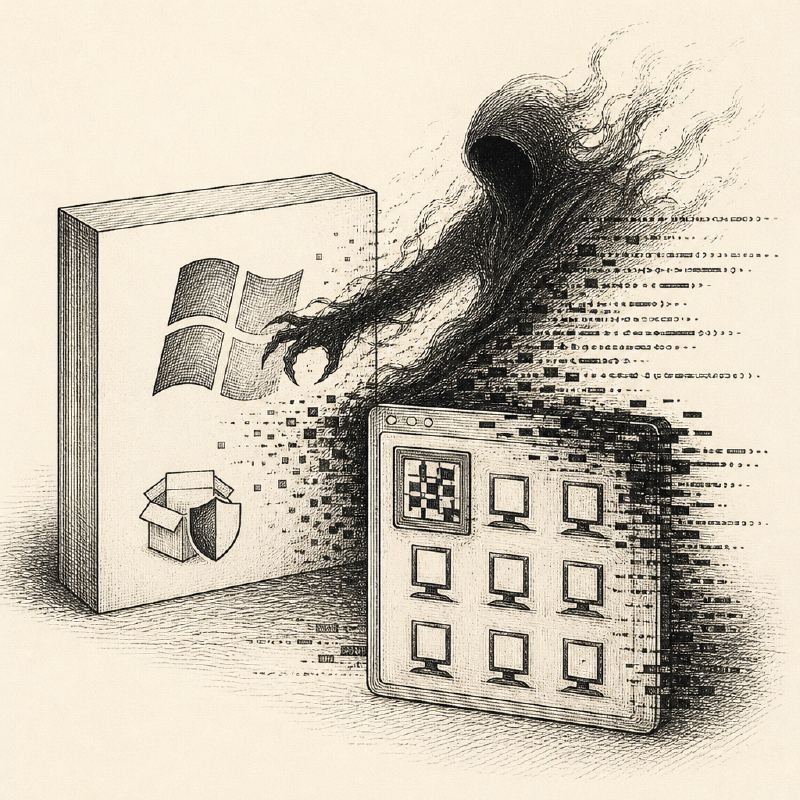
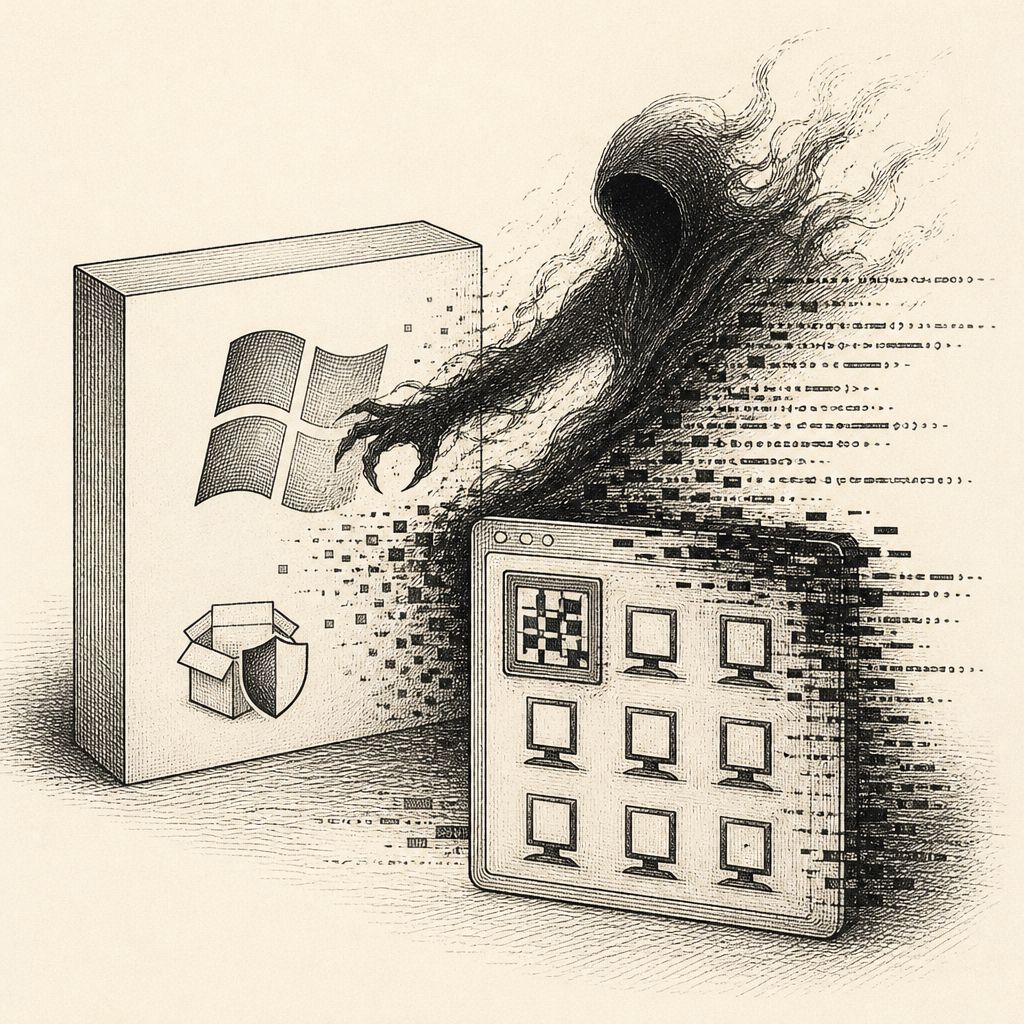
Cybercriminals have successfully infiltrated the software supply chain for popular Windows utilities Q-Dir and DesktopOK, embedding a potent Python-based remote access trojan (RAT) within their installers. The tampered installers, affecting specific versions of Q-Dir (12.85.0.0 to 12.83.0.0) and DesktopOK (12.85.0.0 and 12.82.0.0), execute the genuine applications while secretly installing the malware in the background. This sophisticated attack vector exploits user trust in official download channels, making it difficult for individuals to detect the compromise.
The RAT, identified by researchers at AhnLab Security Intelligence Center (ASEC), grants attackers extensive control over infected systems. Capabilities include remote command execution, arbitrary file transfer, and the ability to capture screenshots. This allows threat actors to conduct reconnaissance, exfiltrate sensitive data, or deploy further malicious payloads. The attack's reach is amplified as the malicious files were also observed during the update process of previously legitimate installations, indicating a compromise of the update mechanism itself.
Researchers noted that the malicious installers contained the genuine executables, which still bore the developer's valid digital signature. This signature, however, only verified the integrity of the embedded application, not the installer that delivered it. The compromised installers would then download a legitimate 7-Zip extraction tool and an archive containing the trojan from an external server. Crucially, the malware included its own Python runtime, ensuring it could execute even on systems without a pre-installed Python environment.
Once active, the Python RAT establishes a persistent presence by registering a Windows scheduled task, allowing it to operate independently of the Q-Dir or DesktopOK applications. It then communicates with a command-and-control (C2) server, awaiting instructions. The malware is also designed to evade detection by checking running processes against a list of over 1,200 security product names, reporting any matches back to the C2 server.
While ASEC did not attribute the campaign to a specific threat group, they did identify Chinese-language comments within the malware's code. This incident follows a pattern of supply-chain attacks that leverage trusted software delivery channels. A notable parallel was drawn to a separate campaign involving the Notepad++ update server, though a direct link between the two was not established.
To mitigate the risk, ASEC strongly advises users to uninstall affected versions of Q-Dir and DesktopOK. Before reinstalling, users must meticulously compare the SHA-256 hash of the downloaded installer with the official hash provided on the SoftwareOK download page. A mismatch is a critical indicator of a tampered file, even if the filename and version appear correct.
Beyond reinstalling, users should actively scan their systems for the presence of unexpected Python files, newly created scheduled tasks, and suspicious network connections to known malicious C2 addresses. Running an up-to-date antivirus scan is also recommended. In cases of confirmed infection, isolating the affected machine from the network is paramount to prevent lateral movement and further compromise.
This incident underscores the persistent threat posed by supply-chain attacks and the importance of verifying software integrity beyond just digital signatures. Users must remain vigilant, especially when downloading software from official sources, and employ robust security practices to protect their systems from evolving threats.