
Hackers Exploit GL.iNet Cloud Flaw to Install Malware on Routers and KVM Devices
Attackers leveraged a vulnerability in GL.iNet's GoodCloud remote management service to deploy malware onto customer routers and KVM devices before the flaw was patched.
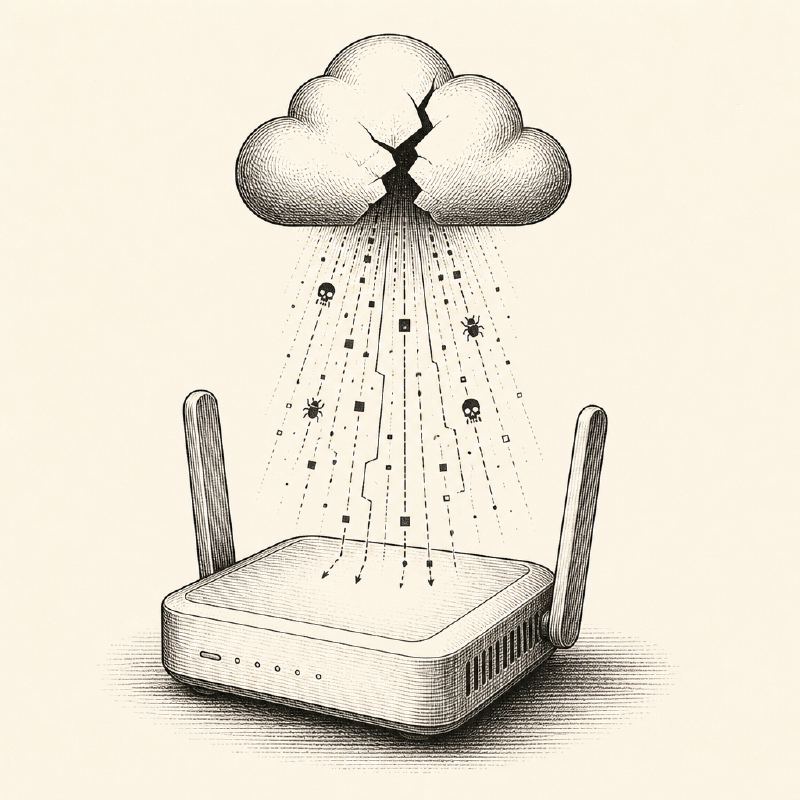
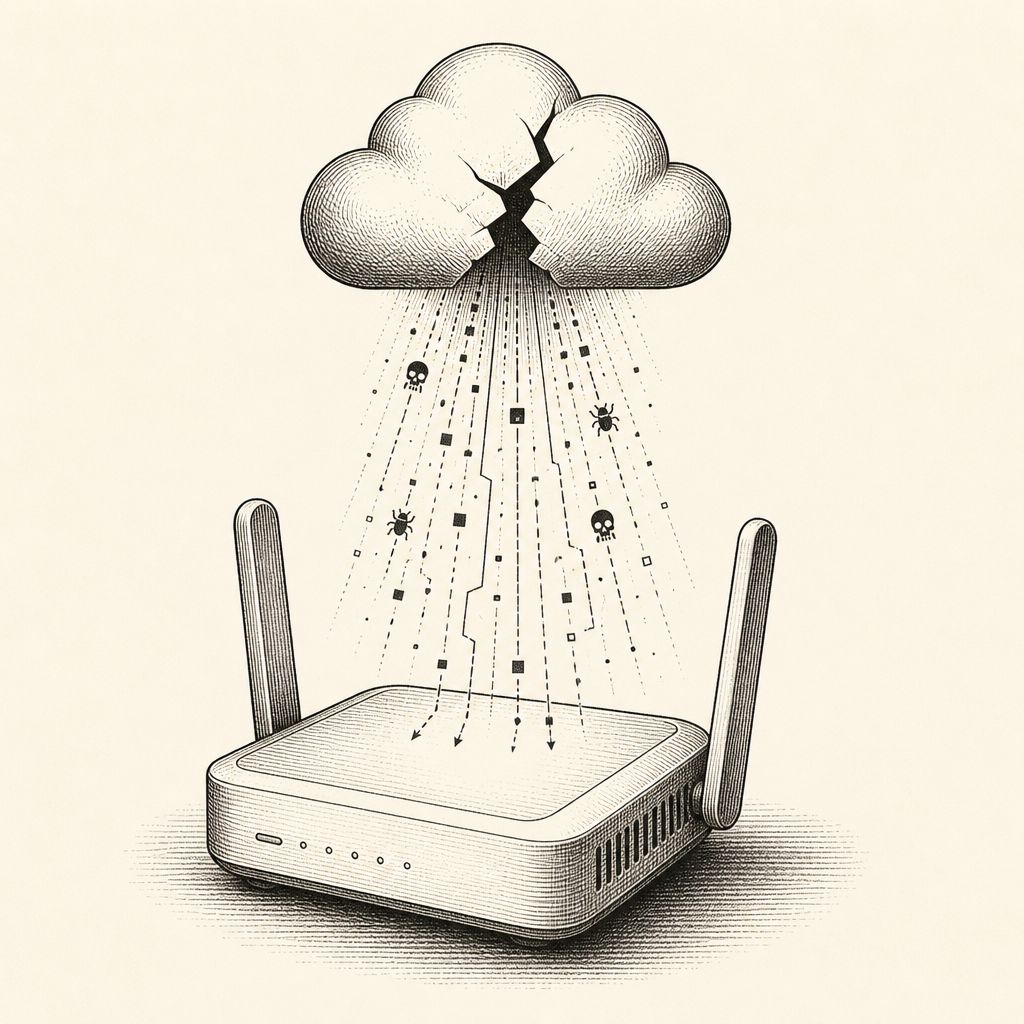
GL.iNet has disclosed that malicious actors successfully exploited a vulnerability within its GoodCloud remote management service, leading to the installation of malware on a number of customer-owned routers and KVM devices. The company, known for its travel routers and remote-access KVM hardware, confirmed the security incident in an updated notice.
The vulnerability, identified and subsequently patched by GL.iNet on Friday, allowed attackers to gain unauthorized access and deploy malicious software. The company stated that it has since blocked the specific exploit vector used by the attackers, thereby preventing further infections through this particular method. While the immediate threat has been mitigated, the incident highlights the risks associated with cloud-based management services.
The exact nature of the malware deployed and the full extent of the compromise are still under investigation. However, the ability to install malware on these devices suggests potential for data exfiltration, network pivoting, or the use of compromised devices in botnets. Routers and KVM devices often handle sensitive network traffic and provide remote access, making them attractive targets for attackers seeking to establish a persistent presence or disrupt operations.
GL.iNet's GoodCloud service is designed to provide users with convenient remote access and management capabilities for their GL.iNet devices. Such services, while offering significant benefits in terms of usability and accessibility, also introduce a centralized attack surface. A single vulnerability in the management platform can potentially impact a large number of devices if not promptly addressed.
Following the discovery of the exploit, GL.iNet acted swiftly to develop and deploy a patch. The company's rapid response in fixing the vulnerability and blocking the exploit vector is crucial in limiting the damage and restoring customer confidence. Users are advised to ensure their GL.iNet devices are running the latest firmware to benefit from these security enhancements.
This incident serves as a reminder for both manufacturers and users about the importance of robust security practices in the Internet of Things (IoT) and remote management sectors. Manufacturers must prioritize secure development lifecycles and continuous monitoring, while users should remain vigilant about firmware updates and network security configurations. The compromise of devices like routers and KVMs can have far-reaching consequences, impacting both individual users and enterprise networks.
While GL.iNet has addressed the immediate threat, the incident underscores the ongoing cat-and-mouse game between cybersecurity defenders and threat actors. The exploitation of cloud management services remains a significant concern, and organizations relying on such platforms should implement additional security layers and monitoring to detect and respond to potential compromises effectively.