
Hackers Compromise French Supermarket Refrigeration Systems
An attack in France exploited vulnerabilities in outdated IoT software to manipulate refrigeration units, causing some to overheat.
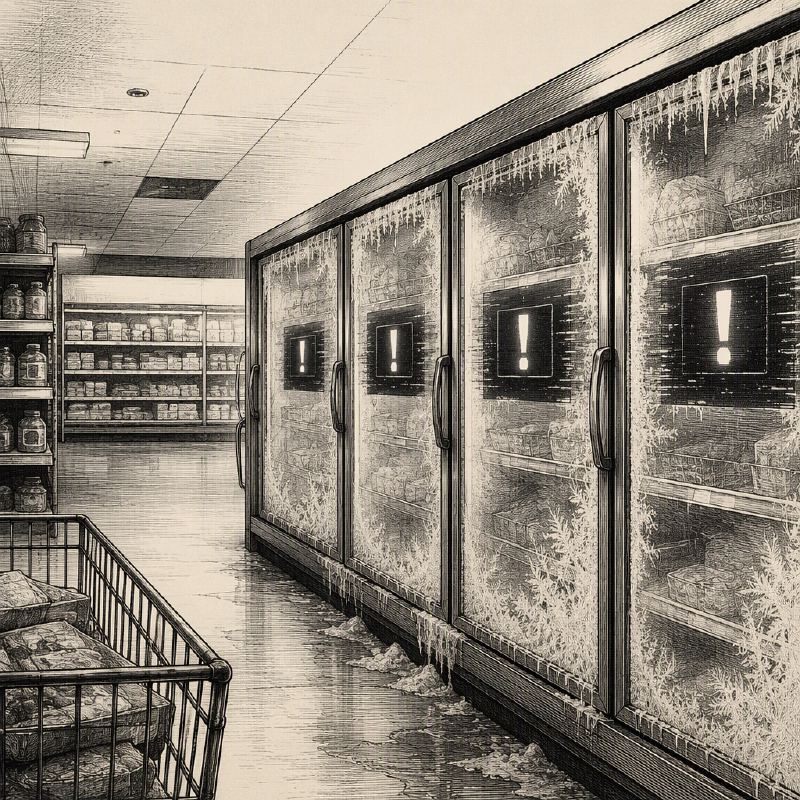
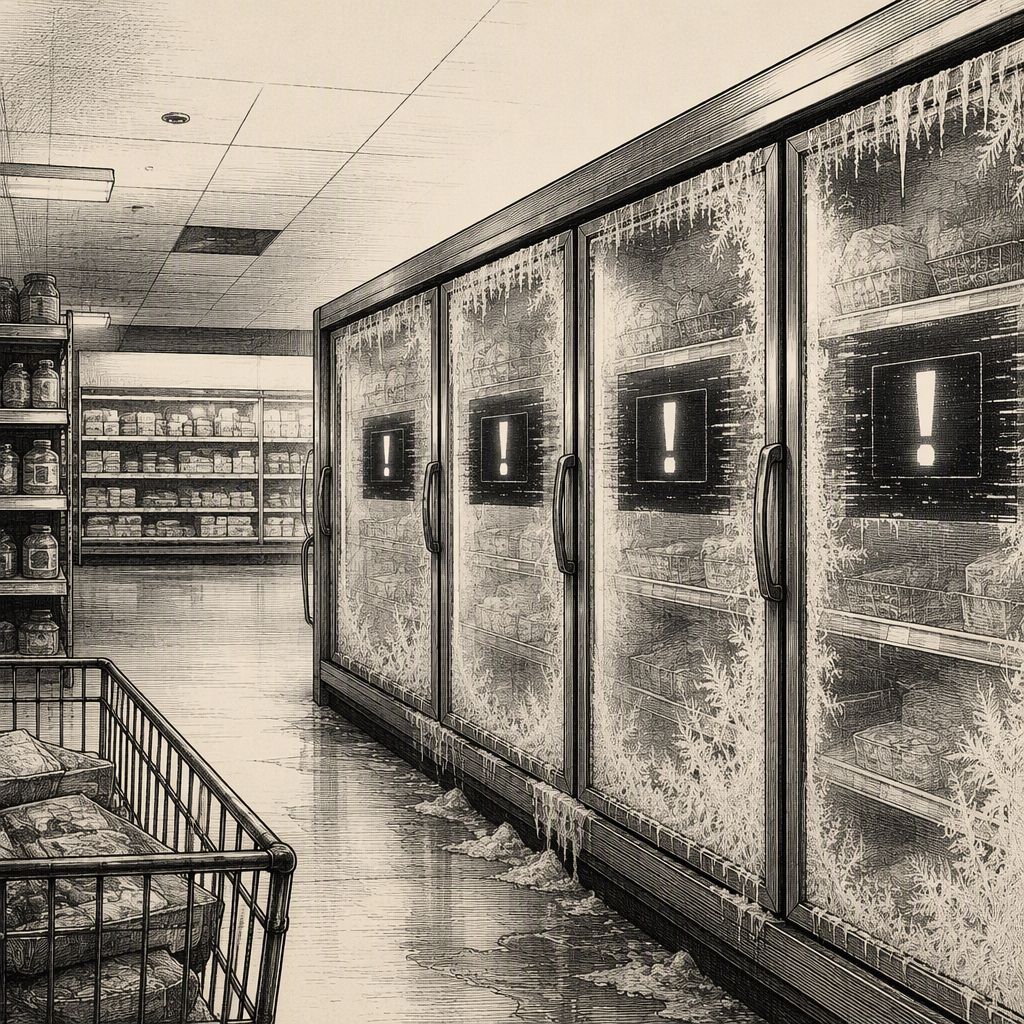
Hackers have successfully compromised the software controlling refrigeration units in French supermarkets, leading to significant temperature fluctuations and potential spoilage of goods. The attack, which targeted older, un-updatable IoT devices, manipulated temperature controls to force some units to warm up to 50 degrees Celsius (120 degrees Fahrenheit) overnight. This incident highlights a growing concern regarding the security of Internet of Things (IoT) devices, particularly those deployed in critical infrastructure such as food retail.
The attackers gained unauthorized access to the systems that regulate the temperatures of the refrigeration units. While supermarket freezers typically undergo a brief defrosting cycle overnight where temperatures may rise slightly, the hackers actively commanded the units to heat up and maintain high temperatures. The full extent of how warm the units could become was not confirmed by Danfoss, a company involved with the affected systems.
According to Danfoss, the compromised refrigeration units were older models that lacked the capability to receive security software updates. This inability to patch vulnerabilities makes them inherently susceptible to exploitation. The incident serves as a stark reminder that any IoT device, especially those that cannot be updated, represents a potential security risk. Furthermore, the article wryly notes that even updatable IoT devices are likely vulnerable, underscoring the pervasive nature of IoT security challenges.
The attack's success underscores the risks associated with the proliferation of connected devices in commercial environments. Supermarkets rely heavily on these systems to maintain food safety and prevent significant financial losses due to spoilage. A successful manipulation of these systems can have immediate and severe consequences, impacting not only the businesses but also potentially public health if compromised food reaches consumers.
While the article does not specify the exact vulnerabilities exploited, the reliance on outdated software is a common theme in IoT attacks. Many older devices were designed and deployed without robust security considerations, and manufacturers may no longer support them with patches or updates, leaving them exposed to known and emerging threats. This creates a persistent attack surface that threat actors can readily exploit.
The incident also raises questions about the responsibility of manufacturers and the regulatory landscape surrounding IoT security. As more devices become connected, ensuring their security throughout their lifecycle is paramount. The lack of mandatory security standards and the long lifespan of some industrial equipment mean that legacy vulnerabilities will continue to pose a threat for years to come.
This attack on refrigeration units is part of a broader trend of IoT devices being targeted for disruption or as entry points into larger networks. The interconnected nature of modern infrastructure means that a compromise in one seemingly minor system can have cascading effects. The incident in France serves as a critical case study for organizations relying on IoT technology, emphasizing the need for regular security audits, robust update management, and a proactive approach to identifying and mitigating risks associated with connected devices.