
Hackers Breach U.S. Air Force Cloud One Platform, Disrupting Military Operations
A sophisticated cyberattack has compromised the control plane of the U.S. Air Force's critical Cloud One platform, impacting military operations and data management.
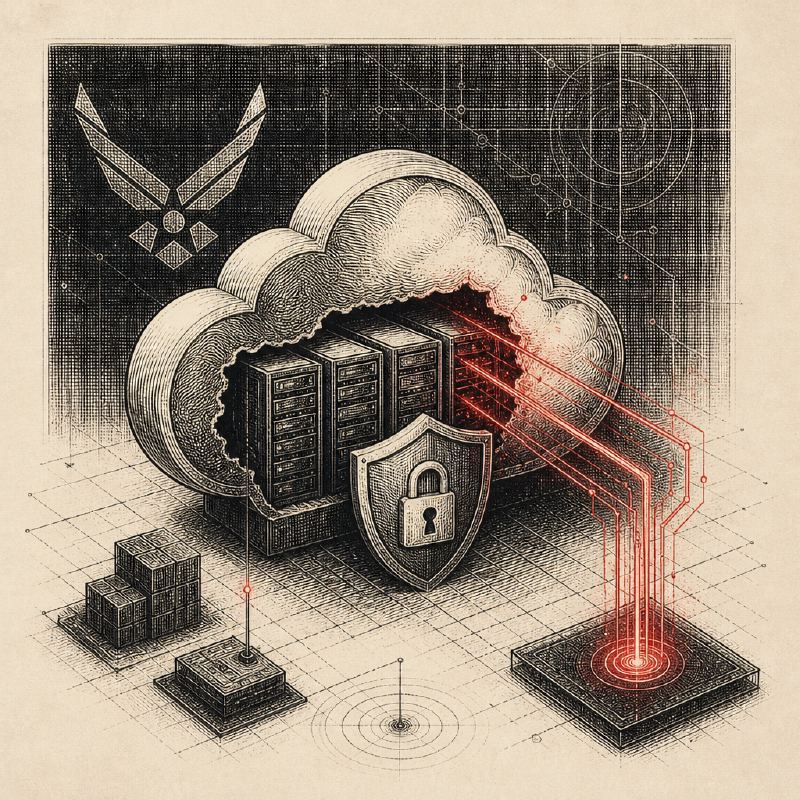
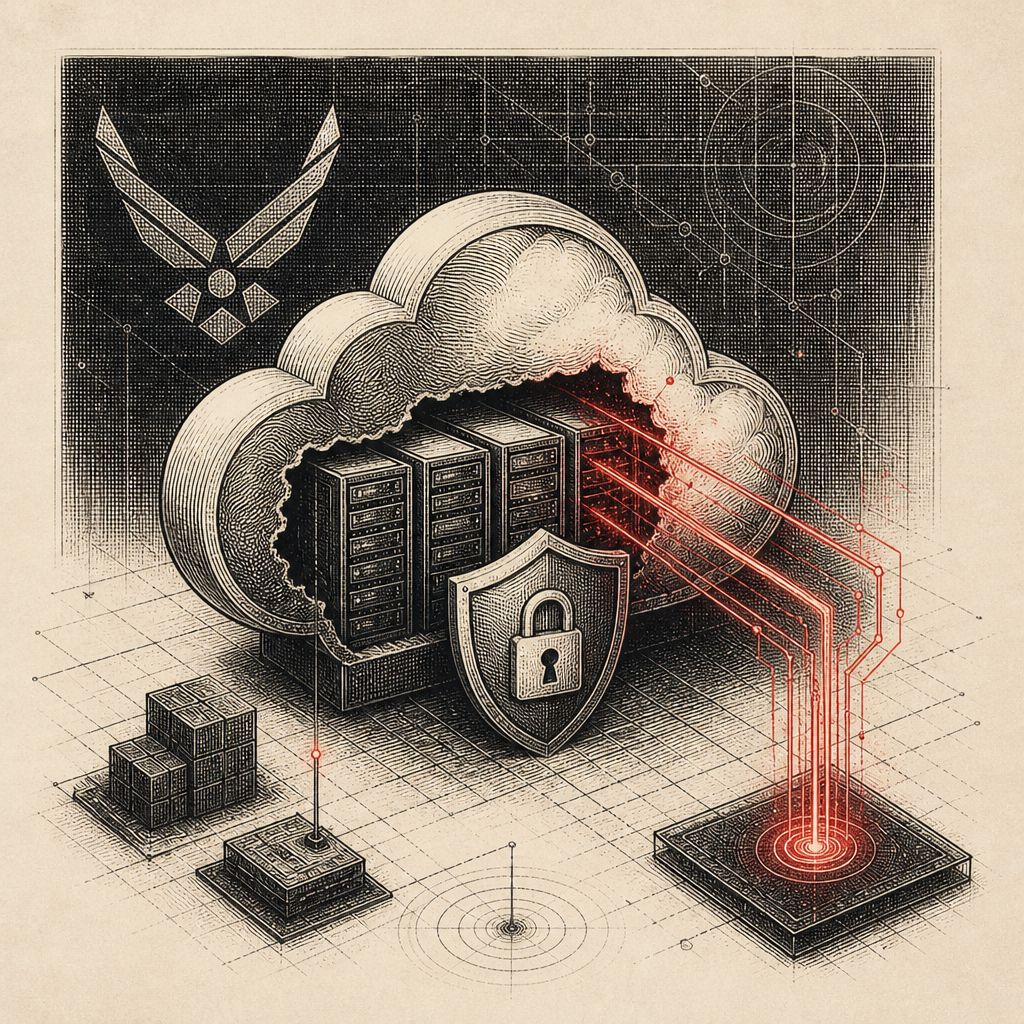
Hackers have successfully infiltrated Cloud One, the primary cloud computing platform utilized by the U.S. Air Force, raising significant concerns over the security of sensitive military, personnel, and logistics data. The intrusion was reportedly discovered during routine upgrade activities, with sources indicating the breach occurred within a month of its November 27th disclosure.
While the identity of the perpetrators, the full extent of their access, and whether any data was exfiltrated remain unconfirmed, the breach has already caused operational disruptions. The Air Force has paused plans to migrate back-office applications to the platform, and updates for existing applications running on Cloud One have been halted. In some instances, users reportedly lost administrator access, prompting the involvement of U.S. Cyber Command to assess the damage.
The attackers are believed to have exploited a software flaw to gain access to the platform's control plane, the critical layer that administrators use to manage cloud services. This level of access, while not necessarily granting direct access to all hosted applications or data, could theoretically allow intruders to monitor military asset status or track logistical movements, though there is no confirmation that such actions occurred.
The incident is distinct from a previous Pentagon data breach disclosed in September, which involved unauthorized access to a system containing personal information for over three million individuals. Cloud One, launched in 2017, serves as a unified cloud environment for various Defense Department applications, including those for personnel, payroll, maintenance, logistics, and command and control systems.
The ongoing update freeze presents a dual challenge: it not only slows the planned migration of applications to the cloud but also leaves existing software vulnerable to unpatched security flaws. The Air Force has stated it does not comment on the security status of specific systems and has not officially confirmed the breach.
Investigators are now focused on determining precisely which systems were accessed, whether any data was altered or copied, and when operations, particularly the crucial update processes, can be safely resumed. The ability to analyze cloud audit logs will be vital in reconstructing the attackers' actions and understanding the full scope of the compromise.
The breach underscores the persistent threats targeting critical infrastructure and government cloud environments. The reliance on cloud platforms for managing vast amounts of sensitive data makes them attractive targets for adversaries seeking to disrupt operations or gain intelligence.