
GTA VI Leak Highlights Evolving Threat of Data Extortion and IP Theft
A massive leak of Grand Theft Auto VI gameplay footage, attributed to 'CyberLeek,' has escalated into a high-profile data extortion case, with Take-Two Interactive pursuing legal action.
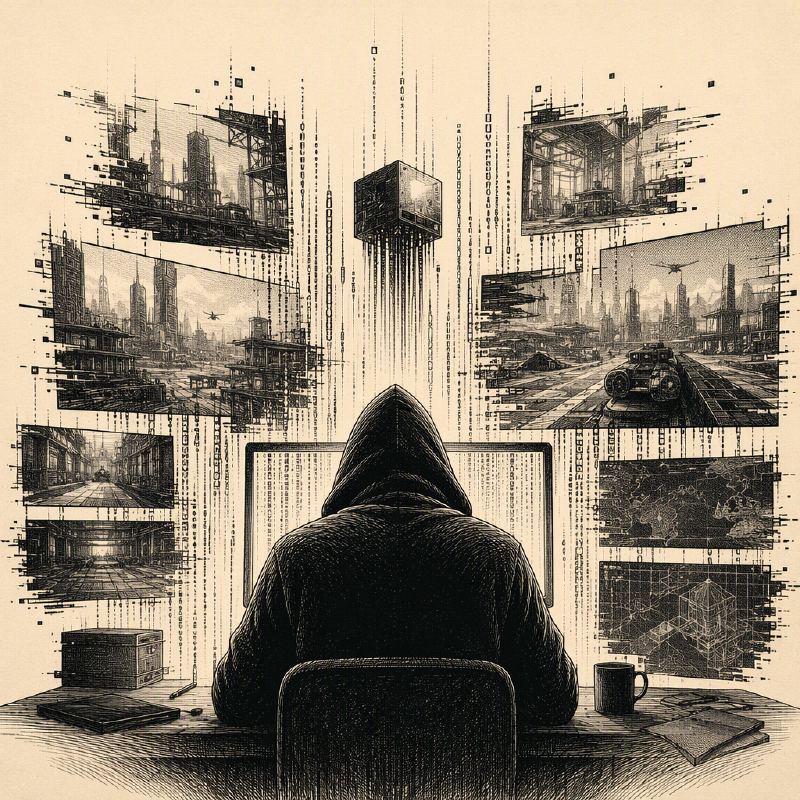

The highly anticipated Grand Theft Auto VI experienced a significant security incident when a threat actor known as "CyberLeek" leaked extensive gameplay footage, disrupting the publisher's planned reveal and sending shockwaves through the gaming community. This breach is being treated as a sophisticated data extortion attack, underscoring the immense value of intellectual property and pre-release data in the digital age. The scale of the leak suggests either direct access to Rockstar Games' most sensitive systems or complicity from an insider, marking it as one of the year's most prominent data extortion events.
While most data extortion attacks primarily concern companies over regulatory compliance and data privacy, this incident has garnered an outsized response from Take-Two Interactive, the parent company of Rockstar Games. The heightened reaction stems from the immense public interest and scrutiny surrounding the Grand Theft Auto franchise. Unlike attacks on critical infrastructure where lives are at stake, the financial and reputational damage here is amplified by the global audience eagerly awaiting any news about the game. Cynthia Kaiser, senior vice president at Halycon's ransomware research center, emphasized that intellectual property theft, regardless of the perpetrator, "rips away the hard work, passion, and livelihood" of those who created the product.
The financial stakes are astronomical, with the previous installment, GTA V, having sold over 230 million copies and generated more than $11 billion. Industry analysts project GTA VI to achieve between $3.3 billion and $5.2 billion in sales within its first week of release in November. "The crown jewels of a company are whatever makes it differentiated and special," noted Kaiser, a former deputy assistant director of the FBI's cyber division. "For a studio in the final stretch before launch, the crown jewel is the surprise."
Take-Two Interactive has responded aggressively through its legal team, petitioning a federal court for subpoenas against major tech platforms including Discord, Google, Microsoft, and X. The goal is to identify "CyberLeek" and other accounts accused of copyright infringement under the Digital Millenium Copyright Act. While subpoenas against Discord, Microsoft, and X were granted, the petition against Google remained pending. Take-Two's legal representatives also issued copyright notices to these platforms, though the formal service of subpoenas is still uncertain.
The legal pressure appears to have had an effect, as the websites used by "CyberLeek" to distribute leaked information and promote a related memecoin have gone offline. Zach Edwards, a threat researcher at Infoblox, initially suspected the leaks might be a guerrilla marketing tactic but now believes Take-Two's actions confirm the investigation's legitimacy. Edwards suggests the company is treating the incident as an insider threat investigation, given that the leaker likely had access to an actual game build, potentially obtained through an insider or by exfiltrating data via cloud services, file-hosting sites, or external drives.
"CyberLeek" has presented conflicting motives, initially claiming to protest Rockstar's move away from physical game releases. However, watermarks on the leaked videos point to crypto wallet addresses, indicating a primary motivation for financial gain. Ben Bernstein, manager of Huntress's cybersecurity advisors team, described the persona as using "anti-corporate manifestos" to frame the breach as hacktivism, while simultaneously engaging in "clear financial monetization and clout-chasing."
Katie Moussouris, founder and CEO of Luta Security, views this as an example of the "alternative vulnerability economy." She highlights that the leaker's actions—launching a cryptocurrency token, watermarking stolen footage with a buy link, and offering ad space—represent a novel monetization model for pre-release content. This approach deviates from traditional ransom demands, suggesting that standard negotiation tactics may prove ineffective.
Despite its unique context, the attack's pattern—steal, publish, promise more, deliver, repeat—is a familiar tactic in the cybersecurity landscape, mirroring ransomware operations. Threat actors leverage pressure points, including the anticipation of future leaks, to achieve their objectives. This incident serves as a stark reminder of the evolving tactics in intellectual property theft and data extortion, particularly concerning high-value digital assets.