
GStreamer Heap Buffer Overflow Vulnerability (ZDI-26-775) Allows Remote Code Execution
A critical heap-based buffer overflow in GStreamer's rtpL16depay component, assigned CVE-2026-111183, allows for remote code execution with a CVSS score of 9.8.
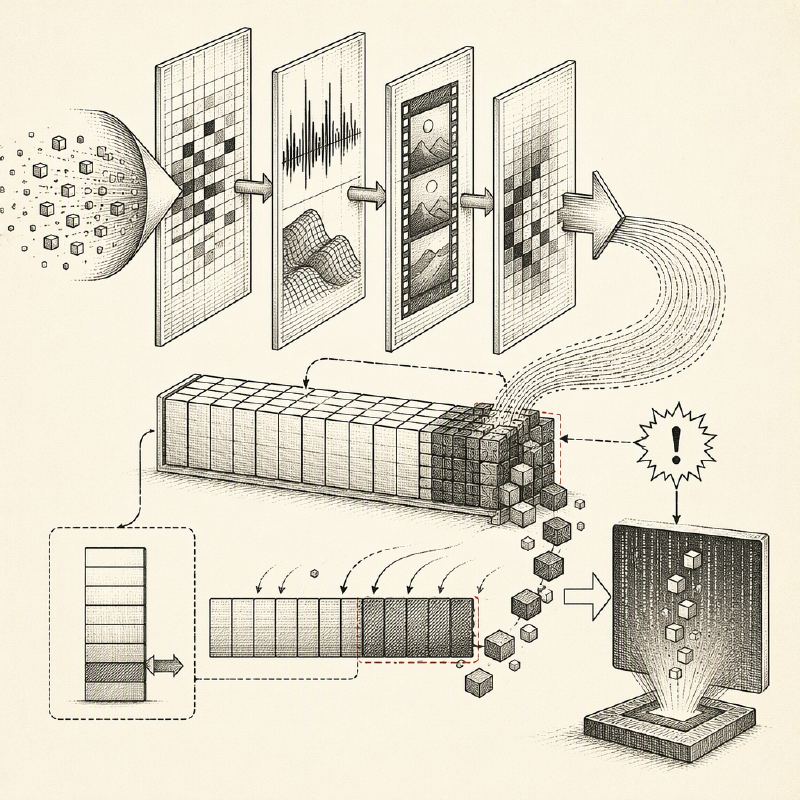
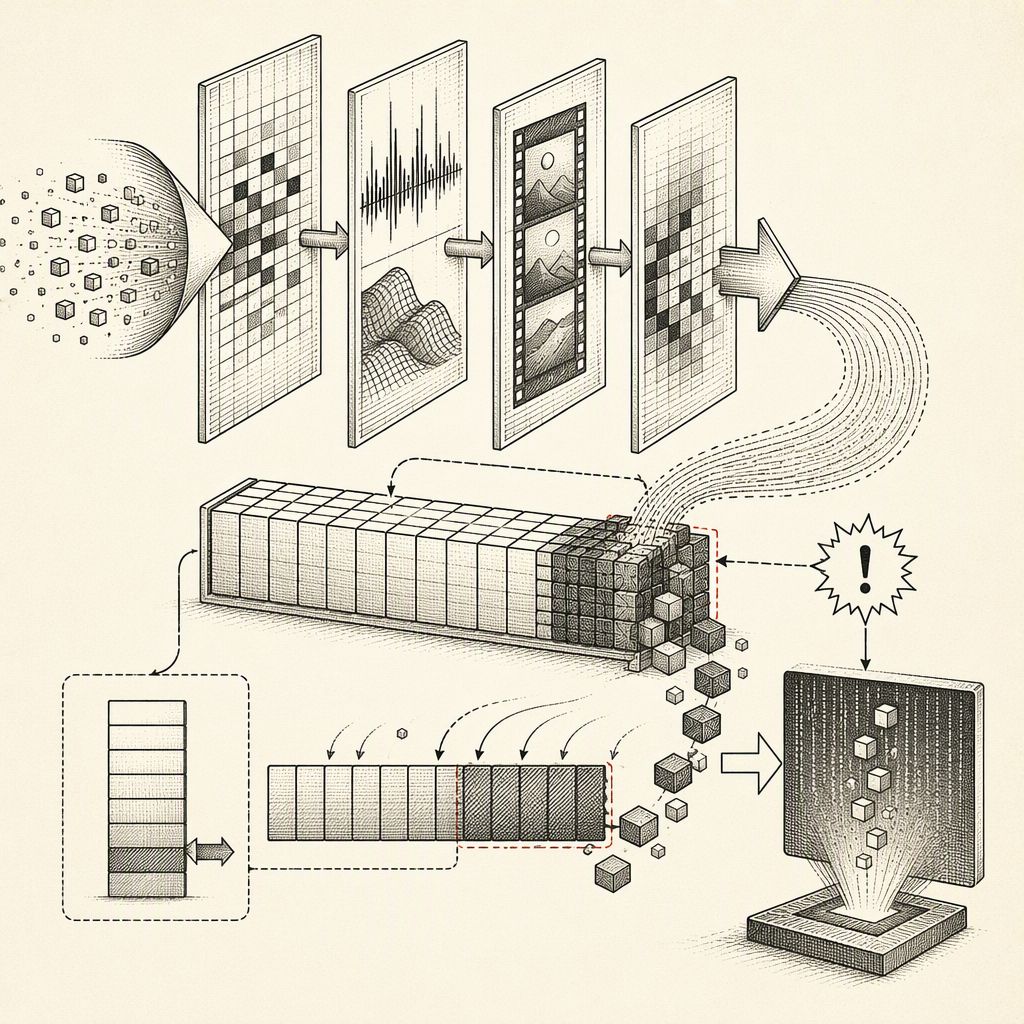
The Zero Day Initiative (ZDI) has disclosed a critical heap-based buffer overflow vulnerability within the GStreamer multimedia framework, specifically in its rtpL16depay component. This flaw, tracked as ZDI-26-775 and assigned CVE-2026-111183, carries a critical CVSS score of 9.8, indicating a high potential for severe impact.
The vulnerability arises from insufficient validation of user-supplied data length before it is copied into a heap-based buffer. This oversight allows remote attackers to trigger a buffer overflow, potentially leading to the execution of arbitrary code within the context of the affected process. The exact method of exploitation can vary depending on how the GStreamer library is integrated into specific applications.
GStreamer is a widely used open-source framework for creating and streaming multimedia applications. Its modular architecture allows developers to build complex media pipelines, making it a foundational component in many audio and video processing tools across various operating systems. The rtpL16depay component is responsible for depayloading RTP (Real-time Transport Protocol) streams that use the L16 codec, commonly used for uncompressed audio.
Successful exploitation of this vulnerability could grant an attacker control over the affected system, enabling them to execute malicious code, steal sensitive data, or disrupt services. Given the critical nature of the vulnerability and its high CVSS score, organizations relying on GStreamer for media processing should prioritize updating their systems.
An update has been released by GStreamer to address this vulnerability. The fix is available through their GitLab repository, specifically in a commit dated October 15, 2026. Users are strongly advised to apply this patch as soon as possible to mitigate the risk of exploitation.
The disclosure timeline indicates that the vulnerability was initially reported to the vendor on August 20, 2026. Following a coordinated disclosure process, the advisory was publicly released on October 15, 2026, with an update to the advisory also occurring on the same day. The credit for discovering this vulnerability has been attributed to 'Anonymous'.
This vulnerability highlights the ongoing challenges in securing complex software libraries that form the backbone of many digital services. As multimedia processing becomes increasingly integral to applications, the security of frameworks like GStreamer remains a critical concern for the cybersecurity community.