
GSA Tests Post-Quantum Encryption on PIV Cards, Proving Feasibility for Legacy Systems
The General Services Administration has successfully demonstrated that post-quantum encryption algorithms can be implemented on existing PIV smart cards, a crucial step towards meeting the government's accelerated 2030 deadline.
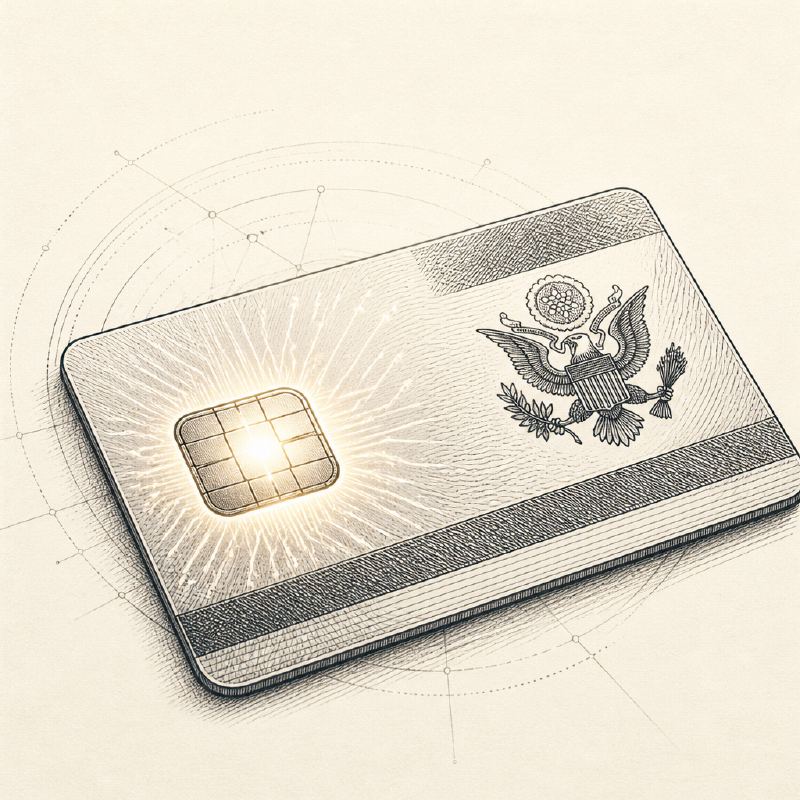
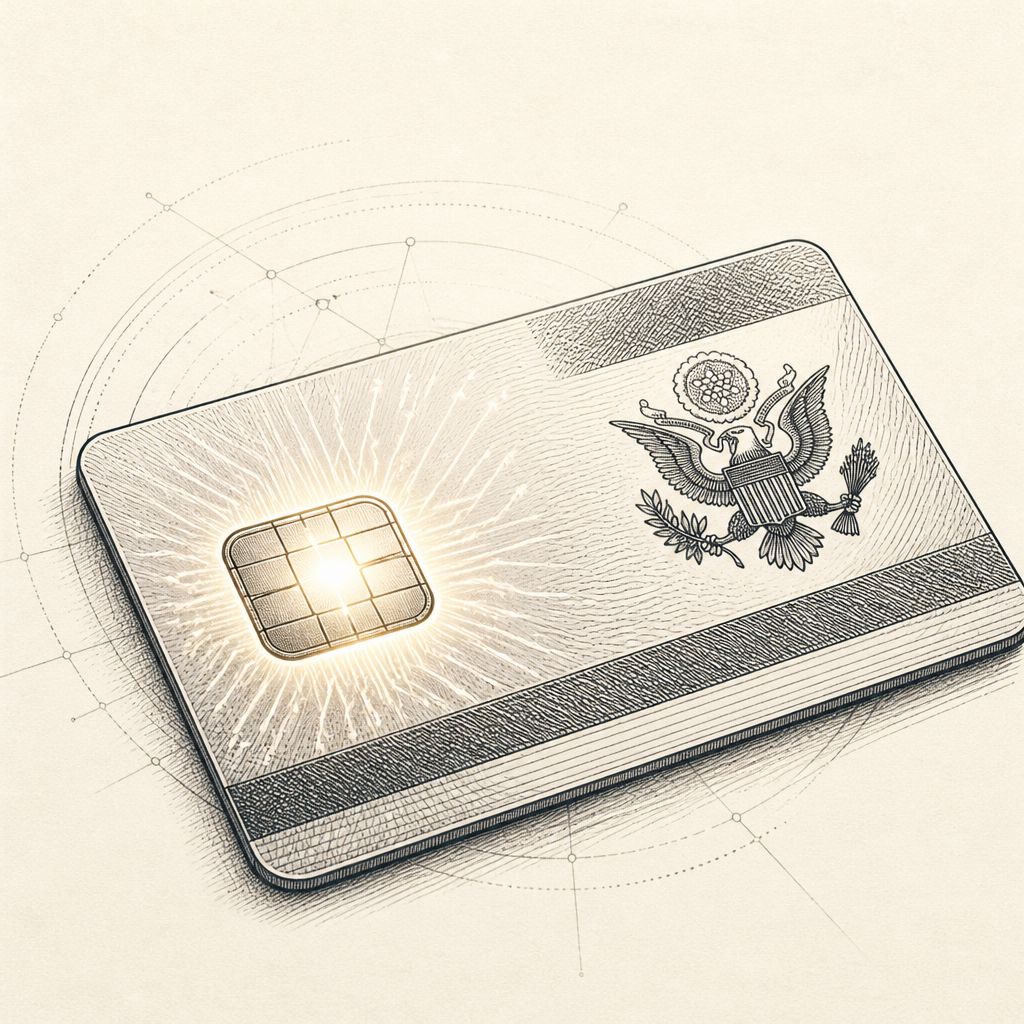
The General Services Administration (GSA) has achieved a significant milestone in the race to secure government systems against future quantum computing threats by successfully testing post-quantum encryption (PQC) algorithms on existing Personal Identity Verification (PIV) smart cards. This breakthrough demonstrates that quantum-resistant credentials can be implemented on current hardware, addressing concerns about the feasibility of upgrading legacy systems within the accelerated federal deadline.
Dan Pomeroy, deputy associate administrator at the Office of Technology Policy at the GSA, explained that his agency focused on the PIV smart cards, which are essential for granting employees access to facilities, computers, and official document signing. The GSA's technologists ran new PQC algorithms directly onto the card chips, issued new credentials, and established the necessary supporting policies, certifications, and hardware security modules. This hands-on approach proved that the transition is achievable with the technology currently in use across the government.
While PQC algorithms often require larger keys and signatures, potentially straining network connections and processing power, Pomeroy highlighted that in many scenarios, agencies can adopt these newer algorithms using their existing systems, data, and devices. This is particularly important for assets like satellites, which may have limited connectivity, but the GSA's work suggests that widespread implementation on common endpoints is viable.
This effort is critical as federal agencies scramble to meet President Donald Trump's executive order that moved the mandatory PQC transition deadline from 2035 to 2030. The accelerated timeline, driven by national security concerns such as "harvest now, decrypt later" attacks, leaves agencies with less than a decade to overhaul their cryptographic infrastructure.
Beyond the technical implementation, Pomeroy emphasized the ongoing need for rigorous testing to identify bugs and interoperability issues. The GSA is actively collaborating with contractors to ensure PQC algorithms are integrated from the outset and that the necessary infrastructure is in place to support these encryption efforts.
IBM's Vanessa Hunt noted that many federal agencies suffer from "blind spots" in their networks, where the sensitivity of data may outlast the effectiveness of current encryption methods. Mapping and upgrading cryptography across diverse datasets, identities, infrastructure, and networks presents a significant challenge, making visibility a key hurdle.
The GSA's successful PIV card tests offer a tangible proof-of-concept, suggesting that the path to quantum-resistant federal infrastructure, while challenging, is indeed achievable. This work provides a crucial blueprint for other agencies facing the daunting task of migrating to post-quantum cryptography within the compressed timeframe.