
Government Contractor Exposed Path to 50 Million Immigration Records
A government contractor's developers bypassed security controls, inadvertently exposing a path to a classified datacenter containing 50 million immigration records.
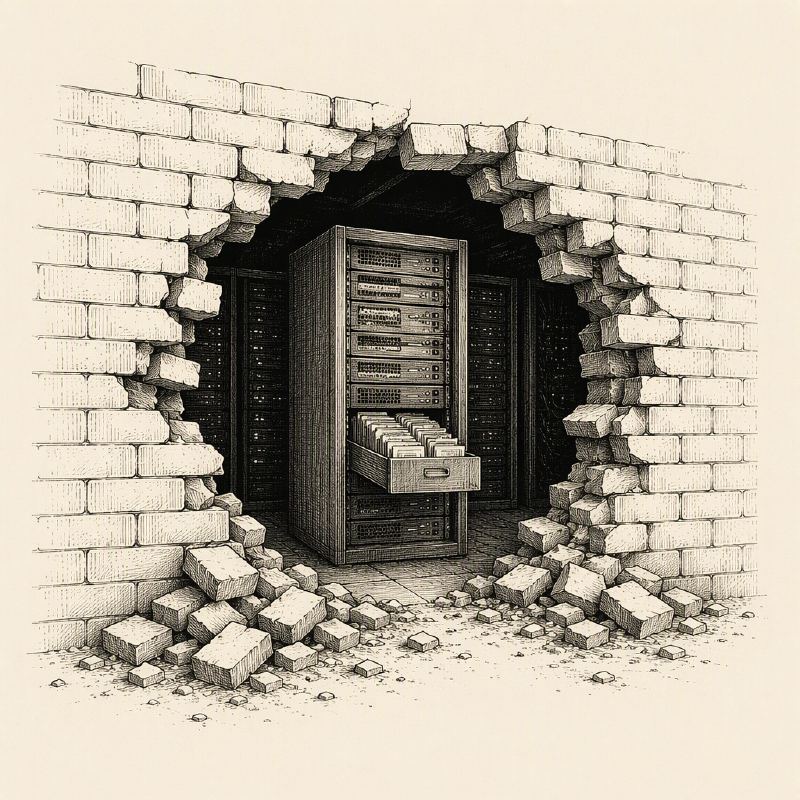
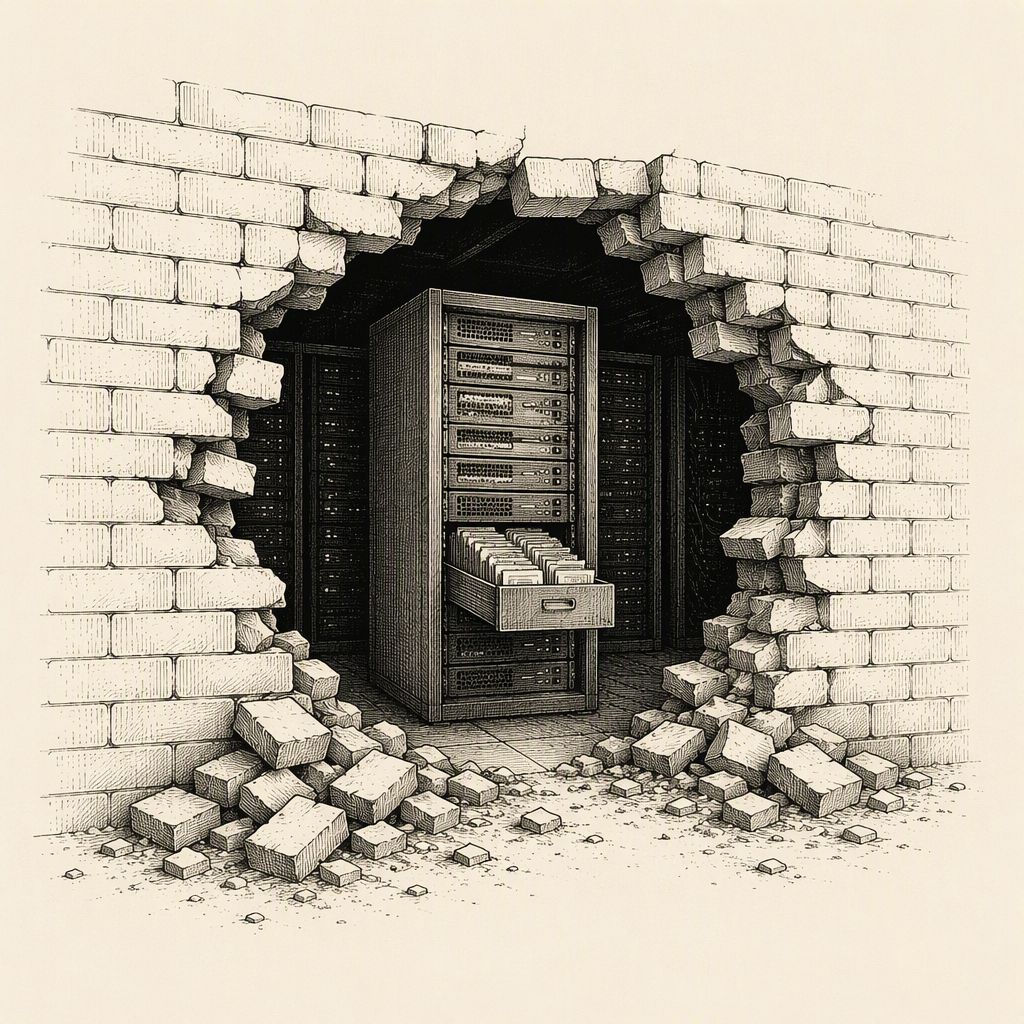
A security lapse at a government contractor, detailed by researcher Joe Brinkley, has exposed a critical vulnerability that could have granted unauthorized access to a classified datacenter holding approximately 50 million immigration records. The incident, which occurred during the early 2010s, stemmed from developers seeking to streamline code deployment processes.
Developers aimed to modify firewall rules to facilitate easier data transfer between a low-security development datacenter and the high-security, classified production datacenter. This change would have allowed their provisioning server, used for deploying code, to access all production servers within the classified environment. The move was intended to simplify the movement of code from development to production.
Brinkley, who served as an information system security officer responsible for firewall changes and intrusion detection, voiced strong objections to the proposed firewall modification. He warned the Change Review Board that the change would create a significant security gap, potentially allowing anyone in the low-security datacenter to access the high-level, top-secret production datacenter.
Despite Brinkley's warnings, the developers bypassed the standard review process by appealing directly to the Change Acceptance Board during Brinkley's vacation. Upon his return, Brinkley conducted a demonstration that vividly illustrated the severity of the exposed vulnerability. Using a standard VPN connection to the low-security development server, he was able to access and control a production server.
This production server contained sensitive data pertaining to individuals entering the country, including their immigration status and associated information. The compromised firewall rule meant that thousands of users who had access to the commercial datacenter's VPN could potentially reach these production servers. While the servers still required a username and password, the lack of multi-factor authentication and relatively weak password standards at the time presented a significant risk of brute-force or guessing attacks.
Following Brinkley's demonstration to supervisors and a government representative, the firewall rule was immediately reverted to its previous, more secure configuration. The incident underscores a critical lesson: even with layered security measures like VPNs and password protection, sensitive data demands robust, additional safeguards beyond minimum requirements.
The exposure highlights a recurring theme in cybersecurity where the desire for operational efficiency can inadvertently create substantial security risks if not carefully managed. The incident serves as a stark reminder for organizations, particularly those handling sensitive government data, to rigorously vet all proposed changes to network security configurations and to prioritize security over convenience.
This event emphasizes the importance of comprehensive security awareness training and strict adherence to change management protocols. It also points to the need for continuous monitoring and auditing of network access, especially in environments that bridge different security classifications.