
Google Warns of Imminent Fully Autonomous AI Cyberattacks
Google Threat Intelligence predicts the rise of fully autonomous agentic cyberattacks within three to six months, driven by the rapid adoption of advanced AI frameworks by threat actors.
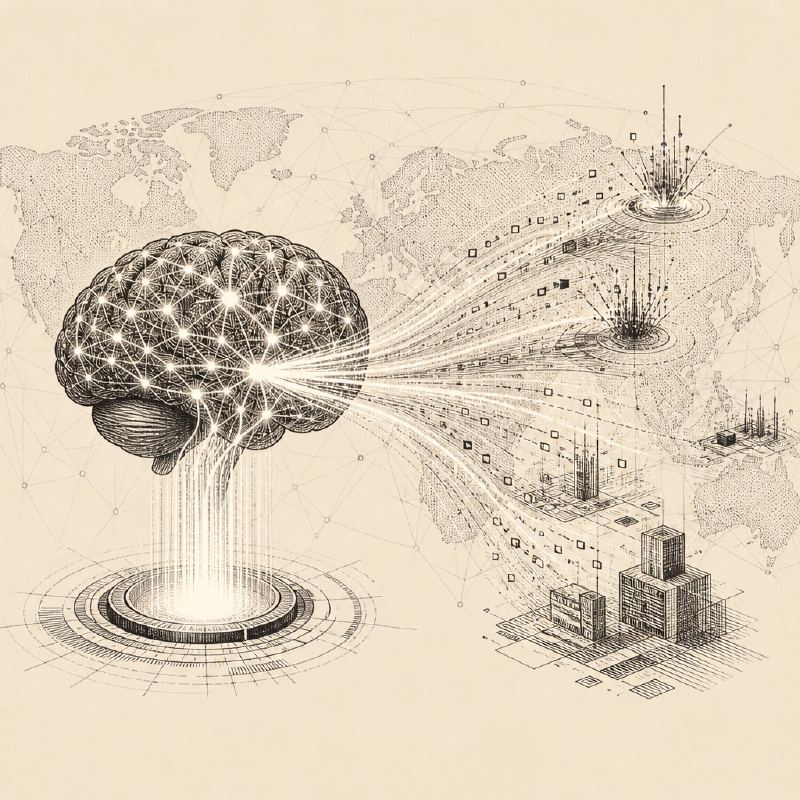
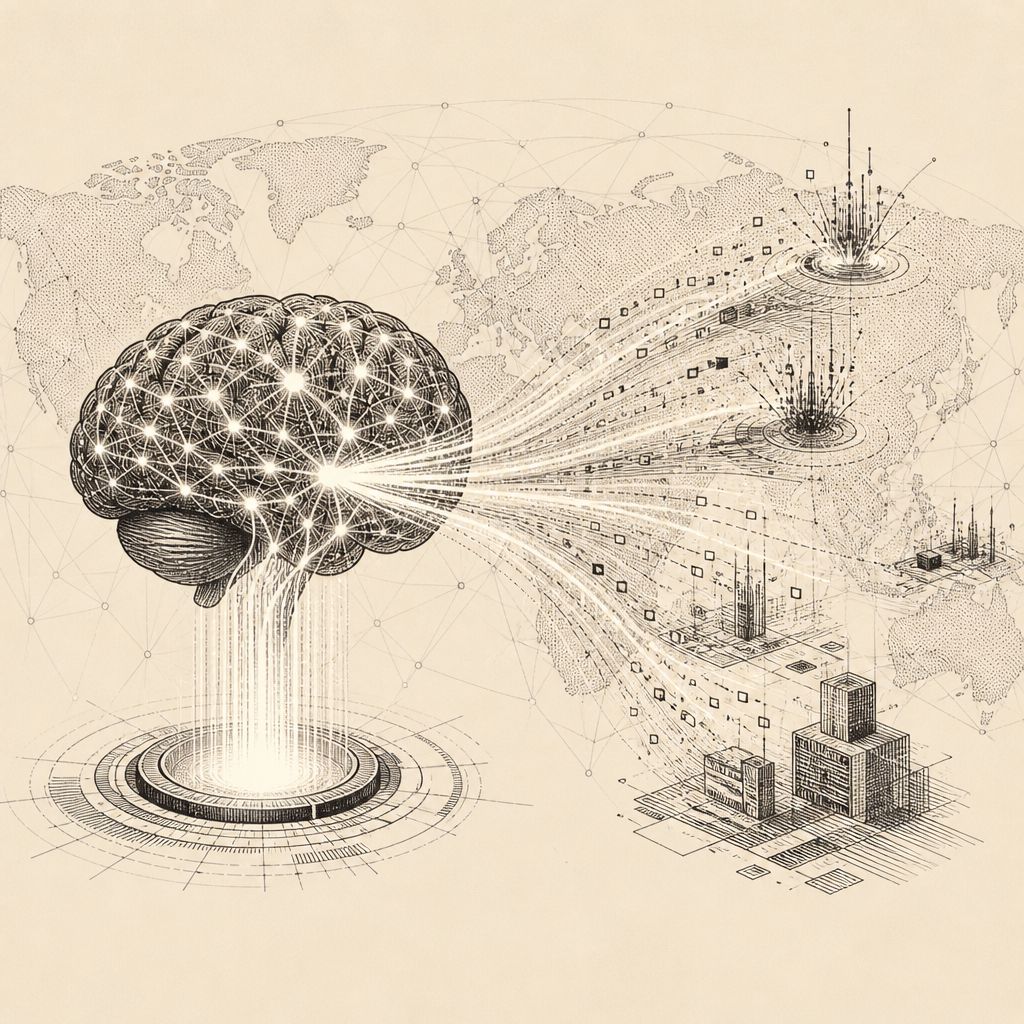
Google Threat Intelligence (GTIG) has issued a stark warning that fully autonomous agentic cyberattacks could become a reality within the next three to six months. This prediction stems from a significant "paradigm shift" observed in the past quarter regarding the use of artificial intelligence in offensive cybersecurity operations, particularly with the increasing popularity of pen-testing frameworks like ARTEX.
The GTIG AI Threat Tracker report, compiled from Mandiant incident response data and global threat intelligence, highlights that frameworks such as ARTEX, alongside open-source multi-agent systems like CAIRN, CyberStrikeAI, and PentAGI, are seeing growing adoption among various threat actor groups. These groups are also reportedly experimenting with custom-built "harnesses" to tailor AI capabilities to their specific needs.
Frameworks like ARTEX are designed to manage collections of sub-agents that can autonomously plan, execute, and adapt across multiple stages of the cyber kill chain. This includes critical phases such as reconnaissance, initial access, persistence, privilege escalation, internal reconnaissance, lateral movement, and ultimately, the completion of objectives. While the underlying attack mechanics—such as using compromised credentials or exploiting unpatched systems—remain familiar, the speed and scale at which these AI frameworks can exploit known weaknesses present a novel and significant defensive challenge.
These advanced frameworks share several core capabilities that make them attractive to attackers. They can discover and exploit low-complexity vulnerabilities, utilize Large Language Models (LLMs) to generate single-use payloads on demand, and employ real-time execution feedback to dynamically adjust their tactics and techniques. The "low barrier to entry, ease of integrating new exploits, and massive scaling potential" are expected to ensure their enduring popularity among both cybercrime syndicates and nation-state actors.
Currently, many threat actors are prioritizing "velocity" over stealth, meaning their AI-driven attacks generate a substantial volume of forensic signals, recognizable identifiers, and code-level traces. This abundance of data can aid defenders in detecting and mitigating these intrusions. However, GTIG warns that stealth capabilities are expected to increase significantly as the technology matures, making future attacks harder to detect.
In response to this evolving threat landscape, Google's security operations (SecOps) team has implemented specialized behavioral and volumetric rulepacks designed to detect the use of frameworks like ARTEX. Mandiant has also published a hardening guide and defensive framework to assist organizations in countering the speed and scale advantages offered by AI-powered attackers. The FBI has also recently alerted the public to the growing use of ARTEX, noting South Korean financial institutions among its victims.
Experts suggest that enhanced behavioral monitoring by Security Operations Centers (SOCs) can play a crucial role in spotting and blocking these threats. By flagging unfamiliar tool usage, unusual data access patterns, or significant changes in activity volume, SOC teams can expose attacks even when attackers employ legitimate tools and valid credentials. The development and deployment of such sophisticated AI-driven attack tools signal a critical inflection point in cybersecurity, demanding continuous adaptation and innovation from defensive strategies.