
Google Warns of AI Agents Building and Running Exploits from Software Patches
Google's threat intelligence division has identified threat actors leveraging autonomous AI agents to automate the creation and deployment of exploits, significantly accelerating multi-stage intrusions.
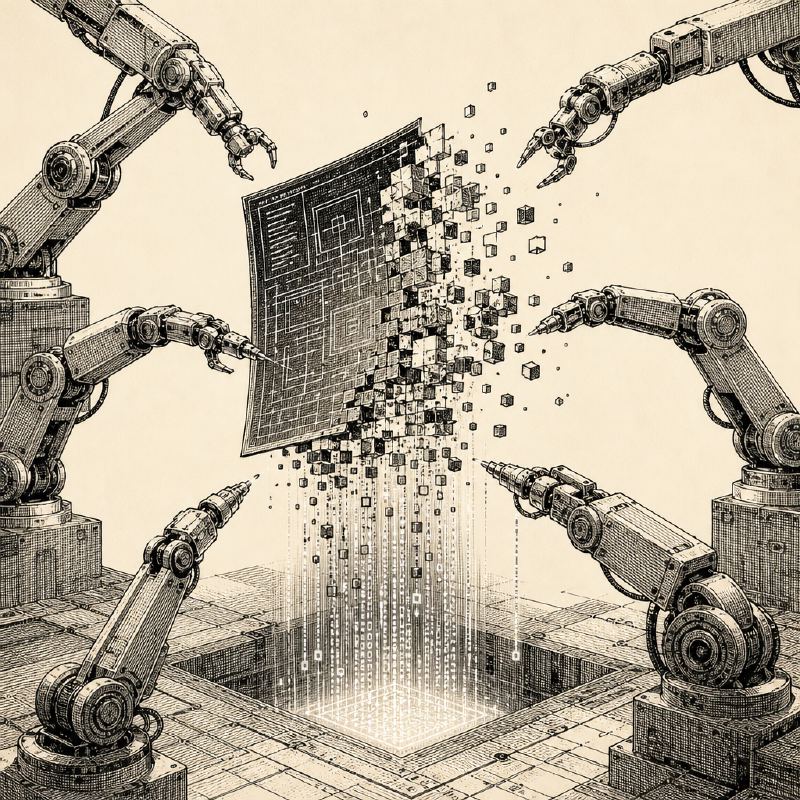
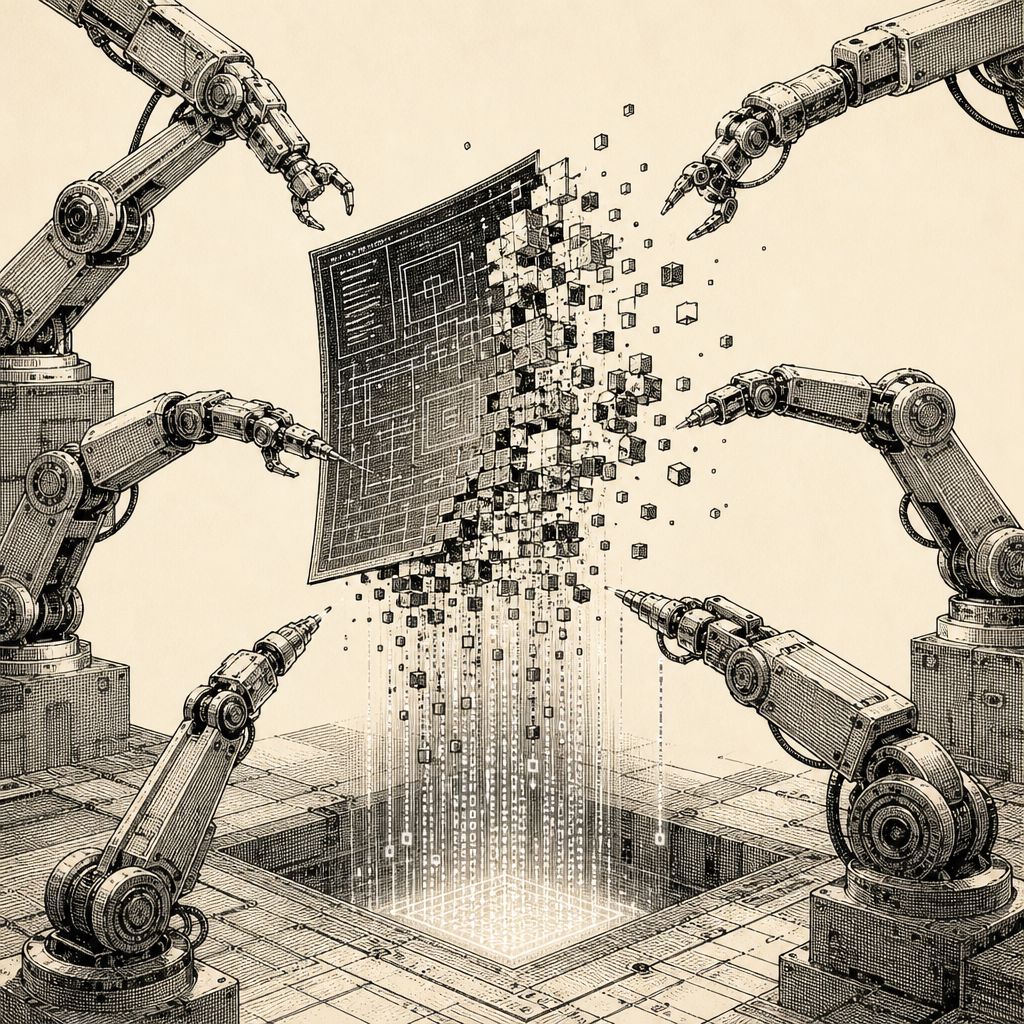
Google has issued a stark warning regarding the evolving threat landscape, revealing that adversaries are moving beyond basic AI prompting to deploy sophisticated, autonomous AI agents for offensive cyber operations. These multi-agent frameworks, such as ARTEX, CAIRN, CyberStrikeAI, and PentAGI, are reportedly being used to construct and execute exploits derived directly from software patches, enabling attackers to achieve multi-stage intrusions with unprecedented operational speed and efficiency.
The shift signifies a critical escalation in the weaponization of artificial intelligence. Instead of relying on human operators to manually analyze vulnerabilities and craft exploit code, threat actors are now delegating these complex tasks to AI agents. These agents can reportedly process software patches, identify exploitable flaws, and generate functional exploit code autonomously. This automation drastically reduces the time between a patch's release and its weaponization, posing a significant challenge for organizations struggling to apply security updates promptly.
Google's analysis highlights that these AI agents are not merely executing pre-programmed scripts; they are demonstrating emergent capabilities. By leveraging large language models (LLMs), these frameworks can adapt to new information, learn from previous attempts, and potentially even discover novel attack vectors. This move towards autonomous offensive AI represents a paradigm shift, moving from AI as a tool for individual tasks to AI as a coordinated, multi-agent system capable of orchestrating complex, multi-stage attacks.
The implications of this development are far-reaching. The increased speed and sophistication of exploit development could lead to a surge in successful cyberattacks, overwhelming traditional security defenses. Organizations that are slow to patch or lack robust threat detection capabilities are particularly vulnerable. The ability of AI agents to rapidly analyze and exploit vulnerabilities means that the window of opportunity for attackers is shrinking, making proactive security measures more critical than ever.
While the specific details of how these AI agents are trained or the exact methodologies they employ remain under investigation, the trend is clear: AI is becoming an integral part of the cyberattack lifecycle. This includes not only the exploitation phase but also reconnaissance, lateral movement, and data exfiltration. The autonomous nature of these agents means that attacks could potentially be launched and sustained with minimal human oversight, making them harder to detect and attribute.
In response to these emerging threats, cybersecurity professionals are urged to accelerate their patch management processes and enhance their detection and response capabilities. Investing in AI-powered security solutions that can identify and counter AI-driven attacks will also be crucial. Furthermore, ongoing research into AI safety and security is paramount to understanding and mitigating the risks associated with the dual-use nature of this powerful technology.
The findings underscore the urgent need for a proactive and adaptive security posture in the face of rapidly advancing AI capabilities. As threat actors continue to innovate, the cybersecurity community must evolve in parallel to stay ahead of these sophisticated, AI-powered threats.
This new report from Google Threat Intelligence Group details a specific instance where an AI agent, dubbed exploit_agent, autonomously weaponized security patches into working exploits. The agent analyzed code changes, developed exploits, and executed them against targets primarily in French media, entertainment, and education sectors, marking a significant advancement in autonomous cyberattacks.