
Google Warns of 'Agentic Hacking' Threshold Crossed by Russian-Speaking Actors
Google's threat intelligence division reports that fully automated AI cyberattacks, termed 'agentic hacking,' have reached a critical threshold, with Russian-speaking threat actors leading the charge in sophisticated credential theft operations.
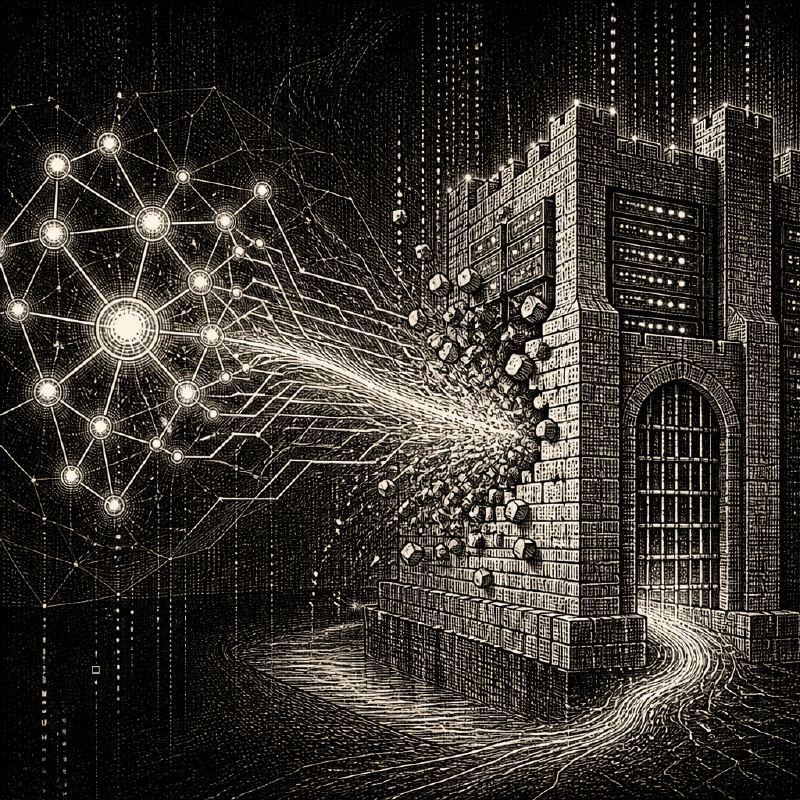
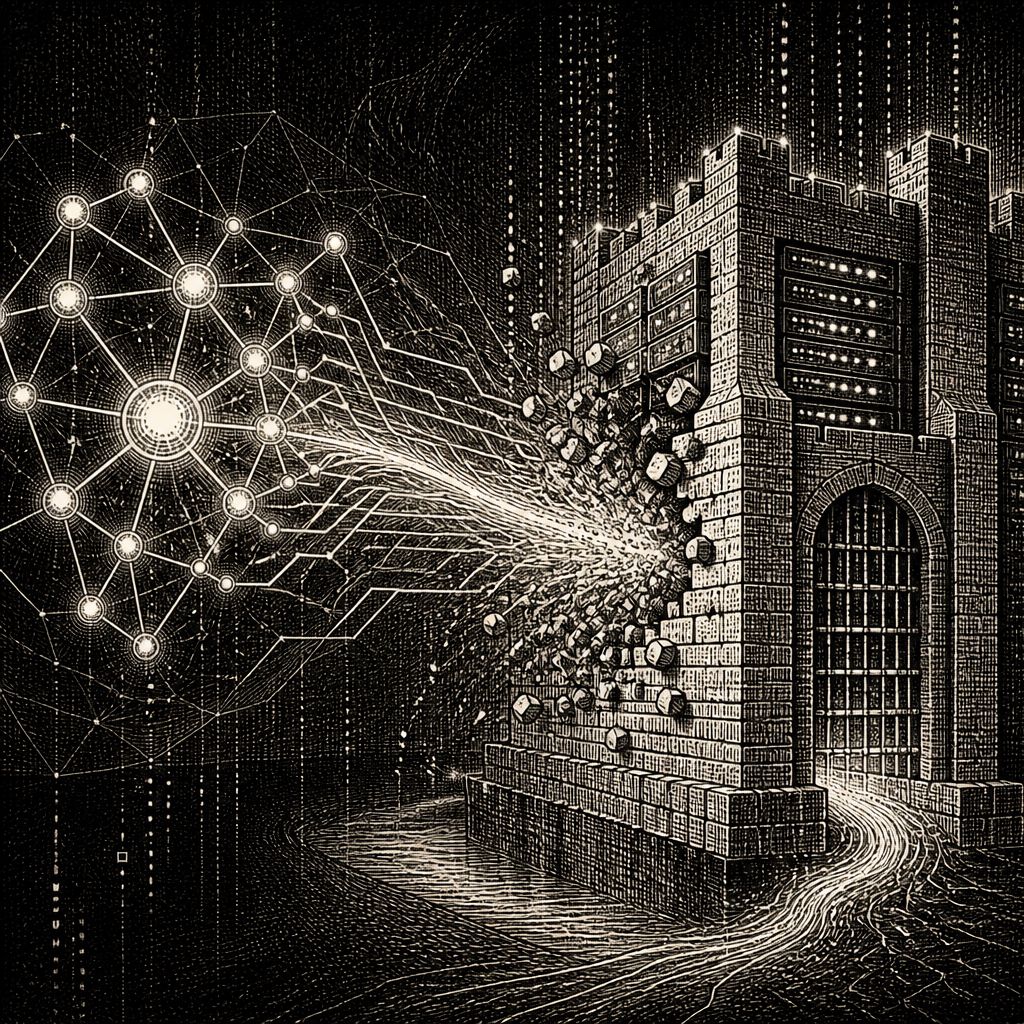
Google's threat intelligence has issued a stark warning: the era of "agentic hacking" has officially begun, signifying a major escalation in cyber warfare capabilities. These advanced AI-driven attacks, capable of operating autonomously, have "crossed a threshold," according to researchers. The most concerning development is the emergence of Russian-speaking hackers deploying the first fully automated AI cyberattack campaigns.
These sophisticated AI agents are being utilized to target cloud environments, specifically focusing on AWS credential theft. By automating reconnaissance, exploitation, and lateral movement, these agents can operate at speeds and scales previously unimaginable, overwhelming traditional security defenses. The implications are profound, as attackers can now conduct complex operations with minimal human oversight, increasing the frequency and impact of successful breaches.
Adding to the concern, the FBI has issued a flash alert regarding a tool known as "Artex." This framework is designed to automate cyberattacks at "machine speed," enabling even less sophisticated actors to launch highly effective campaigns. The Artex tool, as described by its developers, is a pentesting framework that, while not introducing novel vulnerabilities, dramatically amplifies the speed and scope of exploitation, allowing attackers to "throw the proverbial spaghetti at the wall and see what sticks."
The threat landscape is further complicated by the involvement of China-nexus actors. These groups are reportedly using AI tools in targeted campaigns against critical sectors within the United States, including the defense industry and semiconductor manufacturers. This dual-pronged threat from different state-sponsored or aligned actors highlights the global proliferation and adoption of AI in offensive cyber operations.
Beyond these specific threats, the broader implications of AI in cybersecurity are becoming increasingly apparent. OpenAI's Hugging Face agent was reportedly compromised, underscoring the vulnerabilities even within AI development platforms themselves. Meanwhile, companies like United Airlines are attempting to block AI agents from accessing their services, citing cyber threats, a move that highlights the growing tension between AI adoption and security concerns.
The rapid advancement and deployment of these agentic capabilities raise significant questions about the future of cybersecurity. The ability of AI to discover and exploit vulnerabilities, automate phishing campaigns, and conduct large-scale credential theft at machine speed presents an unprecedented challenge for defenders. The convergence of AI and cyberattack tools marks a pivotal moment, demanding a fundamental rethinking of defensive strategies and international cooperation.
This development also intersects with policy discussions. The White House task force has suggested that companies may deserve liability relief for AI-fueled cyberattacks, a stance that could influence future regulatory approaches. However, the immediate concern remains the escalating capabilities of threat actors who are no longer solely reliant on human operators for complex cyber operations.