
Google's AI Features May Use Gmail and Photos Data for Targeted Ads
Google's updated privacy policy indicates that using AI features in Search or Gemini could leverage data from connected services like Gmail and Photos for targeted advertising, if users opt-in.
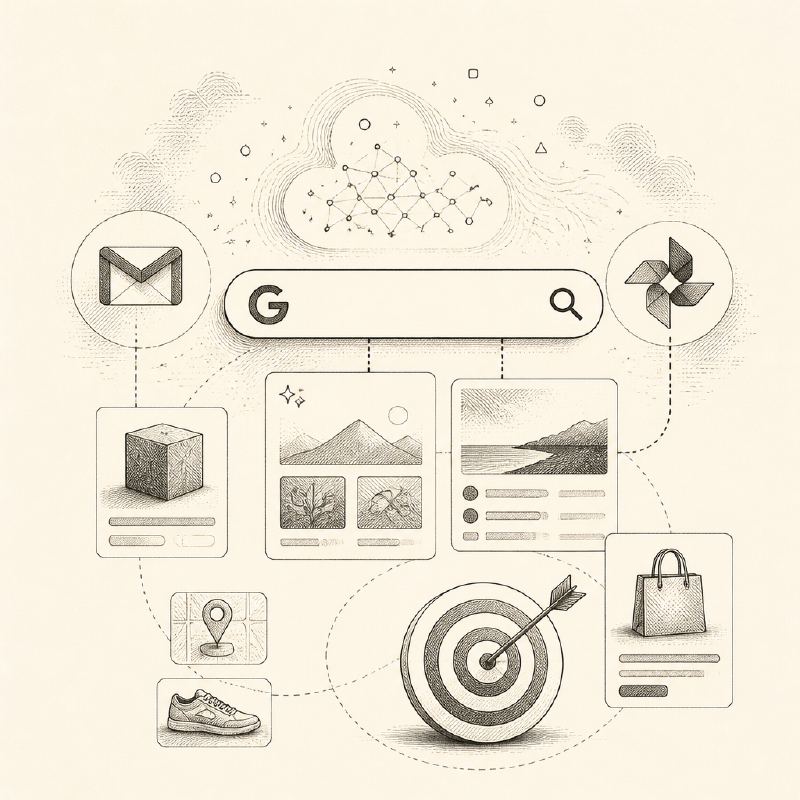
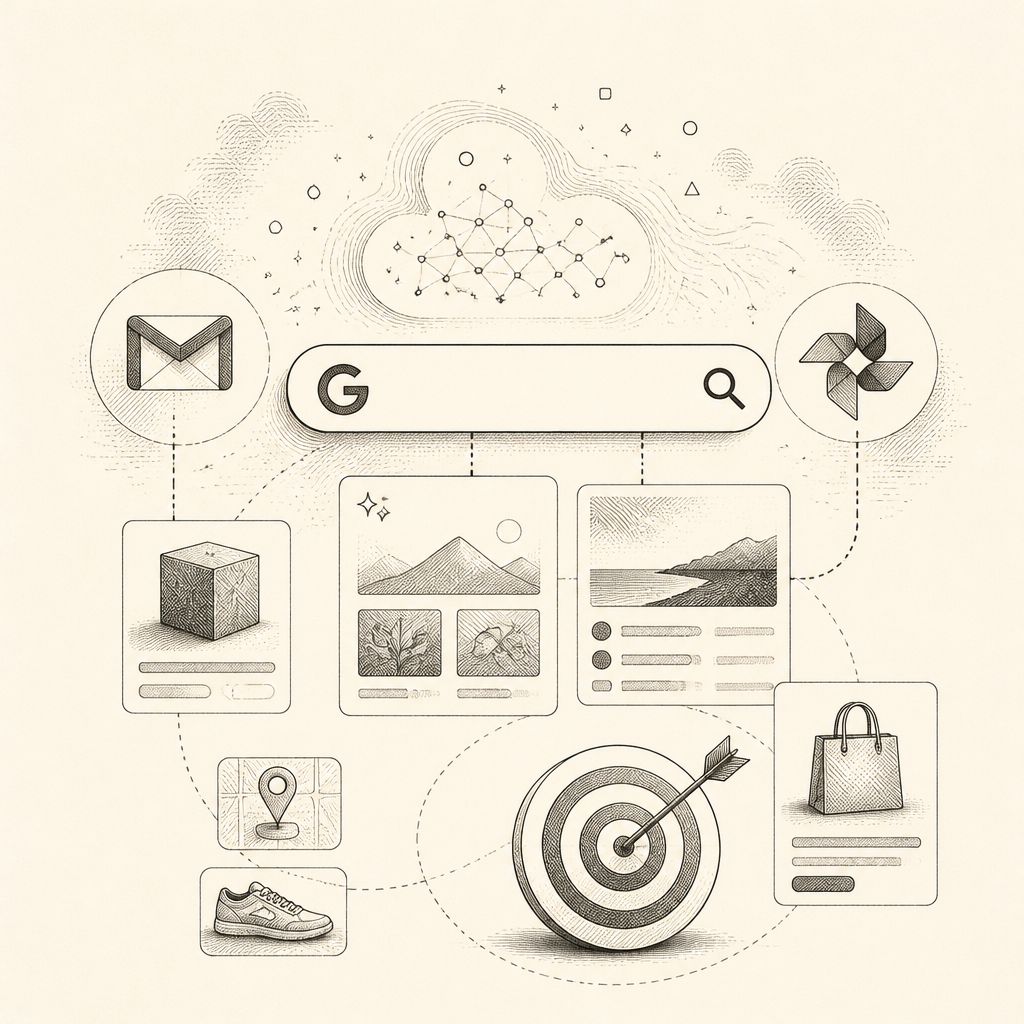
Google has updated its privacy policy to clarify that the use of personalized artificial intelligence (AI) features within its Search and Gemini applications may result in the company utilizing data from other connected Google services for targeted advertising. This change, effective October 16, 2026, specifically addresses how user data from services such as Google Photos and Workspace applications like Gmail and Drive can be accessed to provide a more personalized user experience, contingent on the policies and settings of the accessing service.
While the policy emphasizes that Google does not show personalized ads based on content from Drive, Gmail, or Google Photos by default, this changes if users explicitly choose to make data from these services available to other Google services that support personalized ads. For instance, Search may process data that users allow it to access to personalize content, including advertisements. This means that if users interact with AI Mode or Gemini while the 'Personal Intelligence' feature is enabled, the data informing those AI-driven answers could be used as a signal for ad personalization.
The 'Personal Intelligence' feature, introduced by Google within Gemini in January 2026, allows users to connect other services like Gmail, Google Photos, and YouTube. The goal is to provide tailored answers by combining information from these services with the user's chat history and preferences. This feature is currently rolling out as a beta to eligible users globally, excluding specific regions like the European Economic Area, Switzerland, the U.K., and Nigeria.
This policy update aims to provide greater transparency regarding how user data is leveraged within Google's ecosystem, particularly as AI capabilities become more integrated into its core products. The company is making it clear that feeding personal data into its AI tools could contribute to ad personalization, a trade-off users should be aware of when enabling these advanced features.
Users who wish to maintain stricter privacy controls can opt out of this data sharing. This can be done by disconnecting specific apps from 'Personal Intelligence' or by disabling 'Personalized Recommendations' entirely through the Search Services Personalization settings. Google provides a direct link for users to manage these preferences, underscoring the opt-in nature of this specific data usage for ad targeting.
This development comes as the broader AI landscape sees increased scrutiny over data privacy and advertising practices. For example, OpenAI began showing ads to logged-in adult users in certain tiers of ChatGPT in January 2026, asserting that user data and conversations are protected and not sold to advertisers, and that ads do not influence chatbot responses. OpenAI has since expanded its advertising presence on ChatGPT to numerous additional countries.
Google's approach, as outlined in its updated policy, highlights a nuanced strategy where AI integration offers enhanced personalization but requires explicit user consent for leveraging sensitive data like emails and photos for advertising purposes. The company's emphasis on user control and clear policy statements aims to balance innovation with privacy concerns, allowing users to make informed decisions about their data.
The implications of this policy update are significant for users who actively use Google's suite of services and its AI features. It serves as a reminder that convenience and advanced functionality often come with data-sharing considerations, and users are encouraged to regularly review their privacy settings and understand how their data is being used across different platforms.