
Google Project Zero: AI-Discovered Vulnerabilities More Prone to RCE
AI-discovered vulnerabilities are more likely to lead to remote code execution (RCE) compared to those found by human researchers, according to new analysis from Google's Project Zero.
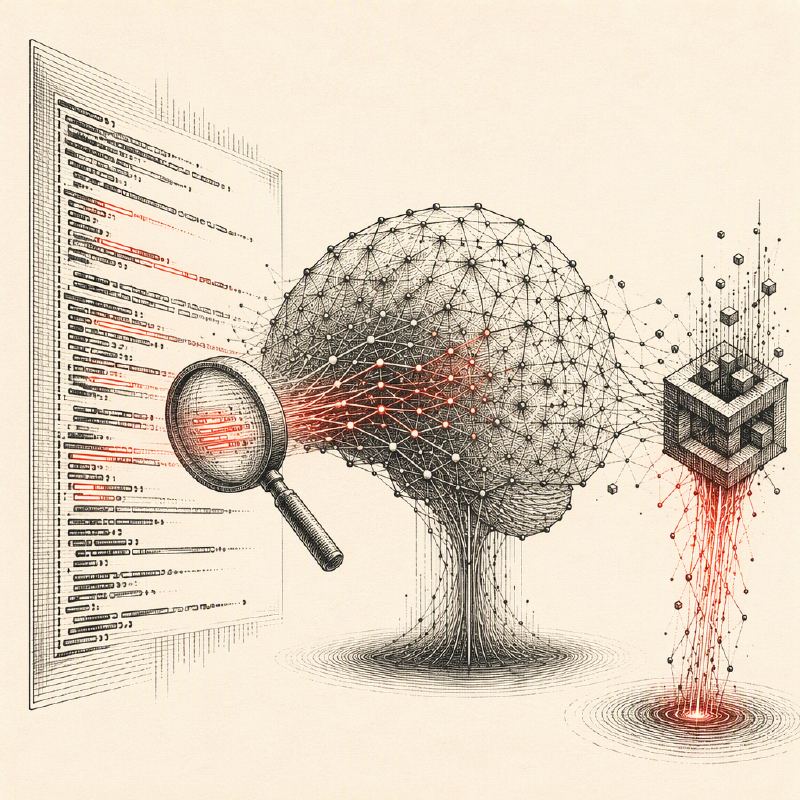
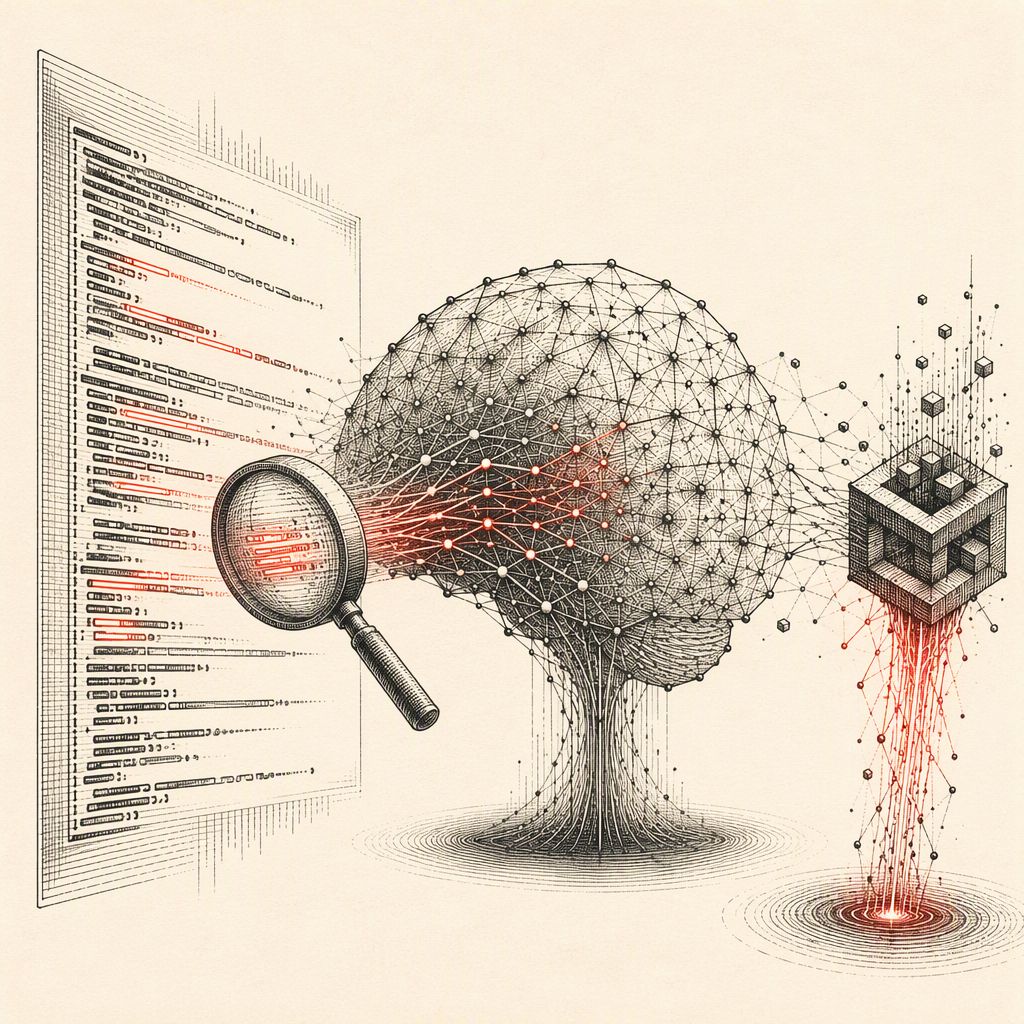
New research from Google's esteemed Project Zero team indicates a significant trend: vulnerabilities identified by artificial intelligence tools are more frequently associated with remote code execution (RCE) than those discovered through traditional human-driven methods. This finding suggests that AI is not only becoming a powerful ally in the hunt for software flaws but also potentially a more efficient tool for crafting exploits.
The analysis, which examined a broad spectrum of disclosed vulnerabilities, found a statistically higher probability that AI-generated bug reports pointed to flaws exploitable for RCE. This could be attributed to the nature of AI's pattern recognition capabilities, which may excel at identifying complex logical errors or subtle memory corruption issues that directly translate into code execution capabilities for attackers.
While the exact mechanisms driving this trend are still under investigation, the implications are far-reaching. The increasing sophistication of AI in vulnerability discovery could accelerate the pace at which new exploits are developed and deployed. This presents a dual-edged sword for the cybersecurity community: AI can aid defenders in finding bugs faster, but it can also empower adversaries to do the same, potentially leading to a more volatile threat landscape.
Project Zero's findings underscore the evolving role of AI in cybersecurity. As AI models become more adept at understanding code and identifying potential weaknesses, their output requires careful scrutiny. Security teams may need to prioritize the patching of vulnerabilities flagged by AI, especially those with characteristics that historically correlate with RCE, to mitigate risks proactively.
This trend also raises questions about the future of vulnerability research and bug bounty programs. Will AI-driven discovery become the norm? How will human researchers adapt and collaborate with AI tools? The research suggests that the cybersecurity industry must continue to innovate and adapt its strategies to keep pace with the advancements in AI, both for defensive and offensive purposes.
The report does not name specific AI tools or CVEs but highlights a general observation across various AI-assisted discovery efforts. The focus remains on the higher likelihood of RCE associated with AI-found bugs, urging a strategic shift in how security teams approach vulnerability management and threat intelligence.
Ultimately, the research serves as a critical alert. As AI capabilities mature, the potential for both accelerated defense and offense grows. Understanding and adapting to this new paradigm will be crucial for maintaining a robust security posture in the face of increasingly sophisticated threats.