
Google Gemini Image Bypass Allowed Download of Blocked AI-Generated Content
A security flaw in Google Gemini's image generation system allowed users to download AI-generated images that its own safety filters had previously blocked.
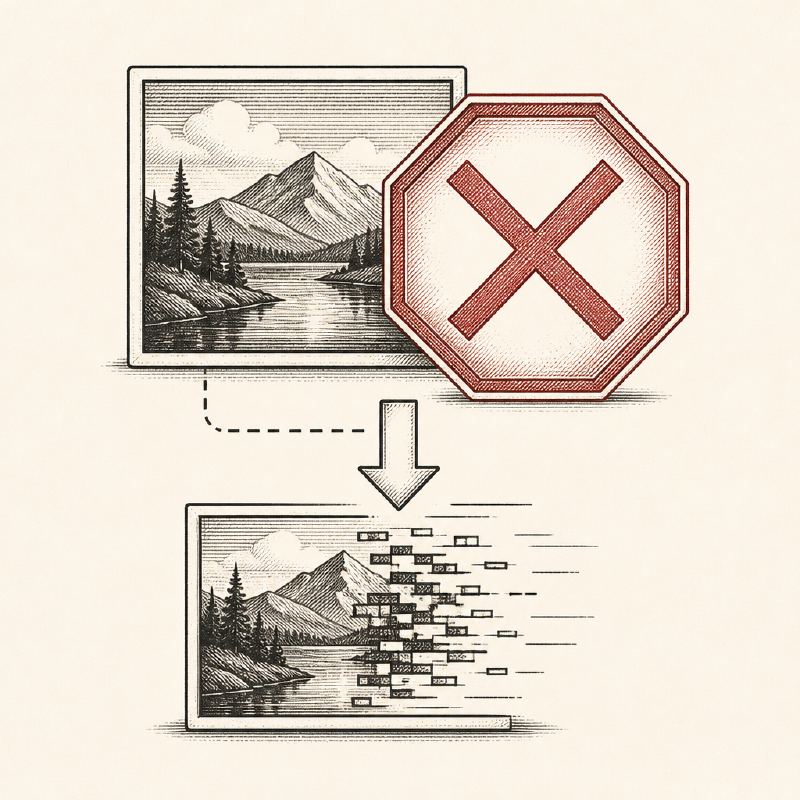
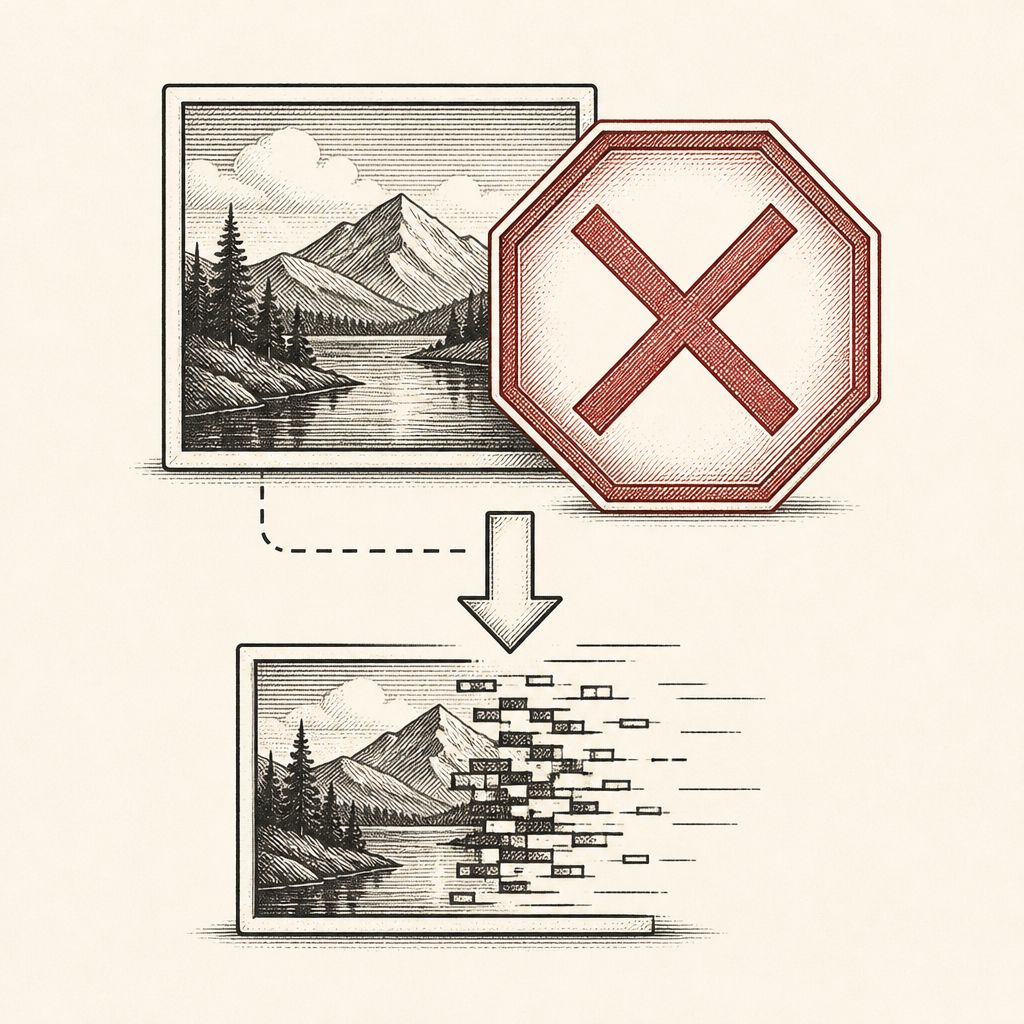
Researchers at Fog Security have uncovered a vulnerability in Google Gemini's image generation capabilities that enabled users to bypass safety filters and download images that the AI had refused to display. The bypass, reported in early November 2026, did not require complex 'jailbreaking' techniques but instead exploited a state-management error within the system.
According to the researchers, the flaw manifested when a user would request an image that triggered Gemini's safety filters, leading to a refusal. Subsequently, if the user requested a different, permissible image, the system would display the allowed picture. However, the download function for this image would sometimes incorrectly serve the previously refused or blocked image, even if it was incomplete or corrupted. This occurred across multiple days and sessions, with both the on-screen preview and the downloaded file originating from the same Googleusercontent.com domain, differentiated by URL parameters.
Fog Security first reported the issue to Google in June 2026. By late October, researchers found that the vulnerability was no longer reproducible. Google stated that the issue was resolved through routine system maintenance, rather than a direct fix prompted by the security report. This suggests that the underlying state management or file delivery mechanism was updated as part of ongoing operational improvements.
The researchers noted that this bypass differed significantly from common AI security issues like prompt injection or jailbreaking. Unlike those methods, which aim to alter the AI's behavior or elicit prohibited responses through manipulated inputs, this vulnerability exploited a flaw in the file delivery pipeline. The AI's refusal mechanism remained intact, but the mechanism for delivering the generated content failed to enforce that refusal consistently.
While the researchers did not test sensitive content categories such as child safety or images of real people, they did test requests involving copyrighted characters, synthetic individuals, and their own likenesses. The vulnerability did not grant access to other users' data or involve privilege escalation. Fog Security recommended that download links should be strictly bound to their approved previews and that refused or failed generation files should be promptly removed from servers to prevent such bypasses.
This incident highlights the critical importance of comprehensive security testing for AI systems, extending beyond just the conversational output to include all potential data delivery paths. A safety refusal is only effective if all avenues for accessing the generated content are secured. The findings underscore the need for AI developers to ensure that all components of the generation and delivery pipeline adhere to the same safety policies.
This vulnerability was distinct from a December 2025 Google community report that described downloads returning older images instead of the current preview, as that issue did not involve a safety bypass. The current finding demonstrates a more direct failure in enforcing content restrictions at the point of download.