
Google Enhances AI Security Tools with New Controls for Vulnerability Management
Google Cloud is bolstering its AI-powered vulnerability management tool, CodeMender, with enhanced security controls, allowing for more isolated testing and human oversight.

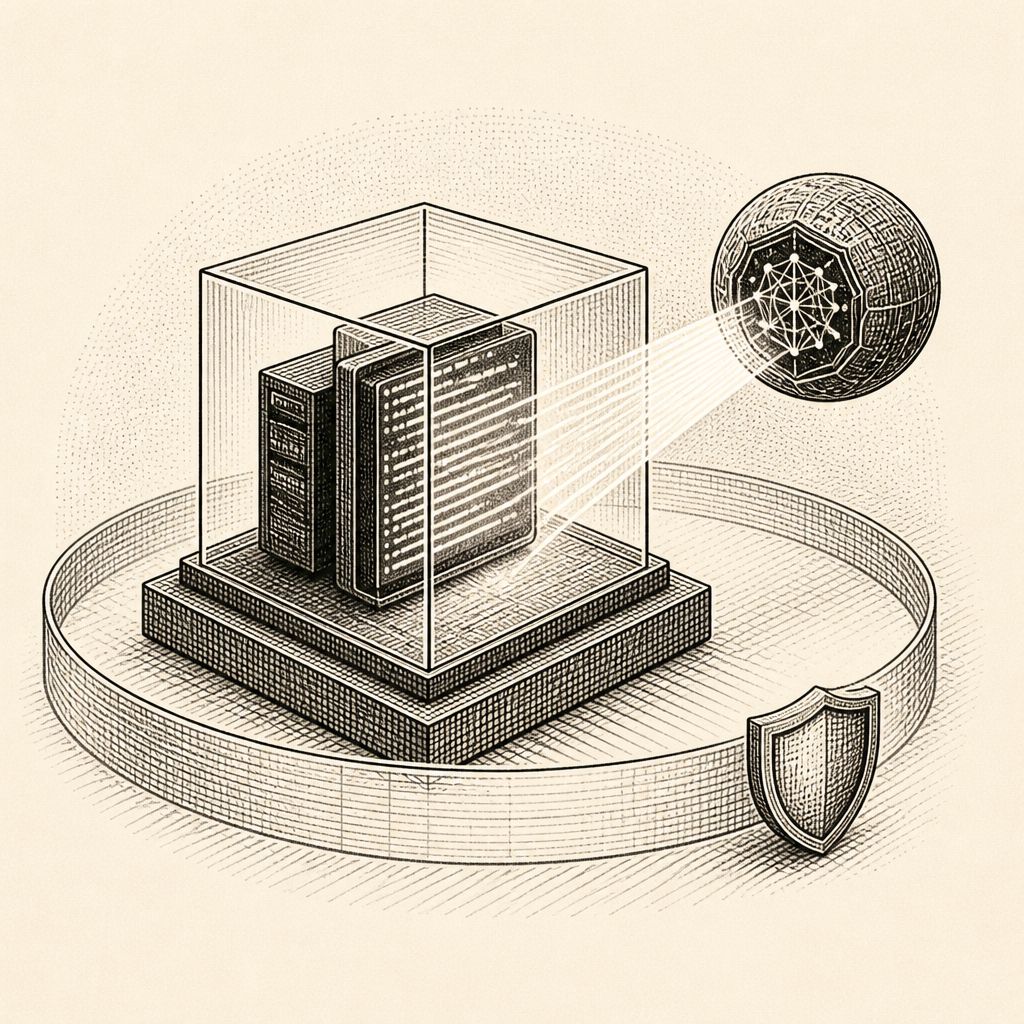
Google Cloud is introducing significant security enhancements to CodeMender, its artificial intelligence tool designed to discover and remediate software vulnerabilities. The latest updates focus on providing businesses with greater control and isolation during security testing, particularly for attack simulations and code scanning.
Key among these new features is the ability for businesses to conduct vulnerability verification and exploit simulations within highly controlled environments. This includes the option to utilize operating system-level sandboxes or dedicated, isolated virtual machines. Furthermore, the updates incorporate mandatory human checks for critical actions like local writes and command execution, ensuring that automated testing remains within predefined safety parameters and preventing unintended consequences.
CodeMender's scanning capabilities have also been refined to offer more granular control. Organizations can now choose to scan entire code repositories, specific folders, or even limit scans to only files that have been modified since the last assessment. This flexibility aims to optimize scanning speed, reduce costs, and allow security teams to focus their efforts more efficiently.
Beyond CodeMender, Google Cloud is extending robust security and governance controls to the broader ecosystem where AI agents operate. This includes platforms like Gemini, Google Kubernetes Engine (GKE), Cloud Run, and the new Agent Compute Engine. These controls are designed to manage agent credentials securely, safeguard sensitive company data, and enable threat detection across diverse cloud environments.
To facilitate this, Auth Manager is now generally available, offering centralized credential management through a Google-managed vault governed by Identity and Access Management (IAM). This service handles authorization flows and token refreshes. Additionally, Agent Identity JWT support, currently in preview, allows AI agents to authenticate across various services, including multi-cloud and on-premises backends, without relying on static API keys.
Google is also strengthening network security with the general availability of Cloud NGFW's advanced malware sandbox, powered by Palo Alto Networks WildFire. Complementing this, Cloud Armor managed rules, now in preview, leverage threat intelligence from Thales Imperva to provide enhanced protection against application exploits.
These advancements underscore Google Cloud's commitment to enabling secure AI adoption. By integrating advanced security features directly into its AI development and deployment tools, the company aims to empower organizations to leverage AI for cybersecurity more safely and effectively, while maintaining crucial human oversight and control over sensitive operations.