
Google Docs Misconfiguration Exposes Staging Credentials
A contractor's accidental misconfiguration of Google Docs sharing settings led to the exposure of sensitive staging environment credentials, highlighting the risks of collaborative tools.
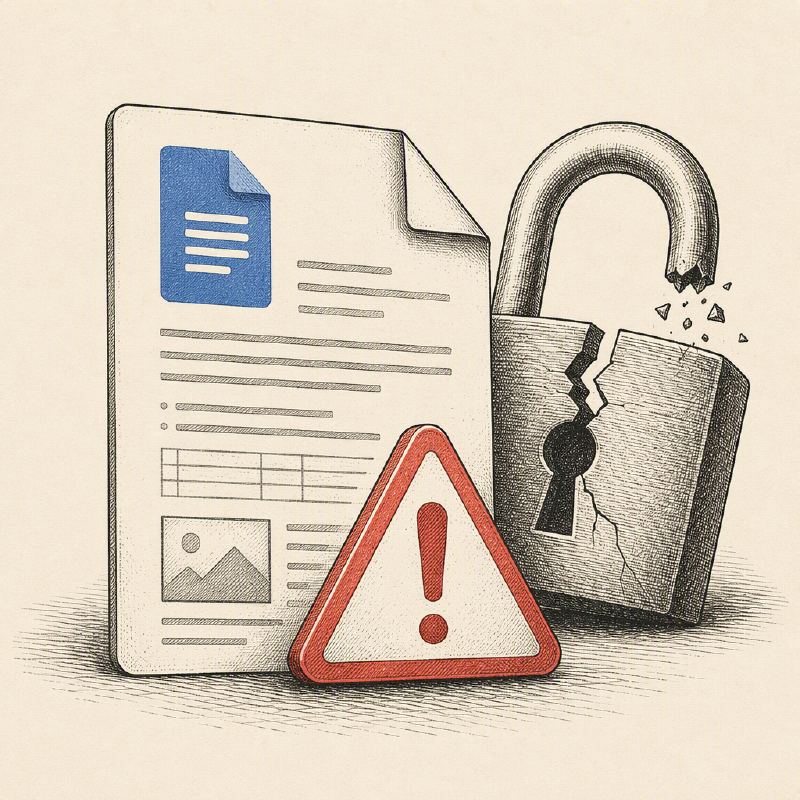
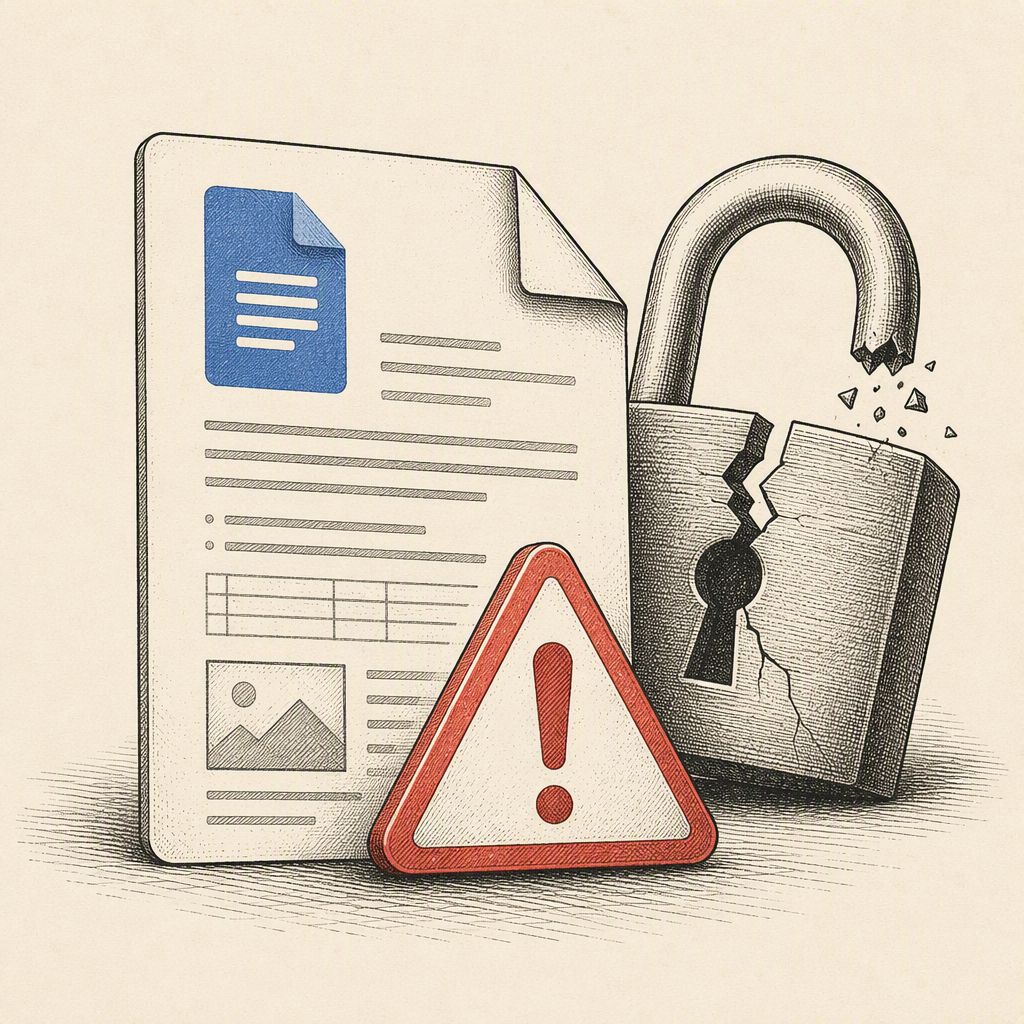
A cybersecurity incident at the QR generation service Pageloot serves as a stark reminder of the potential dangers lurking within seemingly innocuous collaborative tools. A contractor working for the company inadvertently exposed login credentials for Pageloot's staging environment by storing them in a Google Doc set to "anyone with the link can view." This misconfiguration, while seemingly minor, had significant implications when the document was indexed by Google Search.
The staging environment is a critical testing ground for new software code before it is deployed to live production systems. The credentials, therefore, were never intended to leave internal testing parameters. However, by setting the sharing permissions to "anyone with the link can view," the contractor created a pathway for the sensitive information to become publicly discoverable. While files with this setting are not automatically indexed by Google, the specific circumstances under which this document was discovered remain unclear, though it ultimately surfaced in Google Search results.
The discovery was made by a Pageloot developer who was searching for information related to the company's domain while debugging. Google's autocomplete feature surfaced a staging hostname followed by what appeared to be a credential string. Upon investigation, the developer confirmed that the document containing the sensitive login details was indeed accessible online, directly through a Google Search result.
Pageloot responded swiftly to the incident. The company revoked the contractor's access and changed all affected credentials. Furthermore, they implemented a new policy banning the storage of passwords and other sensitive information within shared workspaces like Google Docs, Slack, and Notion. This incident underscores the fact that without prompt detection, such exposed credentials could have remained vulnerable for an extended period.
This case is not an isolated event. Similar incidents involving misconfigured cloud storage and collaborative platforms have occurred with other organizations. For instance, Japanese Android game developer Ateam accidentally left a Google Drive instance accessible to "anyone on the internet with the link" for seven years, exposing personal data of nearly a million individuals. Similarly, Scale AI, a company involved in AI development for major tech firms, had 85 Google Docs containing training material for Meta, Google, and xAI editable by anyone with a link.
Research indicates that this is a widespread issue. A study by Metomic found that a significant percentage of Google Drive files contained sensitive information, with a notable portion being externally shared or fully public. This problem extends beyond Google's ecosystem, with other tools like Trello also being implicated in accidental data exposure due to public sharing settings.
The increasing reliance on collaborative tools, while boosting productivity, also introduces human factors that can lead to security breaches. Verizon's 2025 Data Breach Investigations Report attributes a substantial portion of breaches to human error, including misconfigurations and the misuse of valid credentials. The Pageloot incident highlights the critical need for users to be vigilant about sharing permissions and for organizations to implement robust policies and training to mitigate these risks.
To prevent similar occurrences, security experts advise against storing highly sensitive information, such as passwords, in standard shared documents. Utilizing dedicated password managers is recommended for credential management. Additionally, a thorough review of sharing permissions before finalizing any share action in online services is crucial to ensure that sensitive data remains protected.