
'God Mode' Flaws in Border Control Systems Could Disrupt Travel and National Security
Independent researcher discovers critical API vulnerabilities in online visa and immigration systems of six African and Asian nations, potentially allowing unauthorized access and manipulation of border control functions.
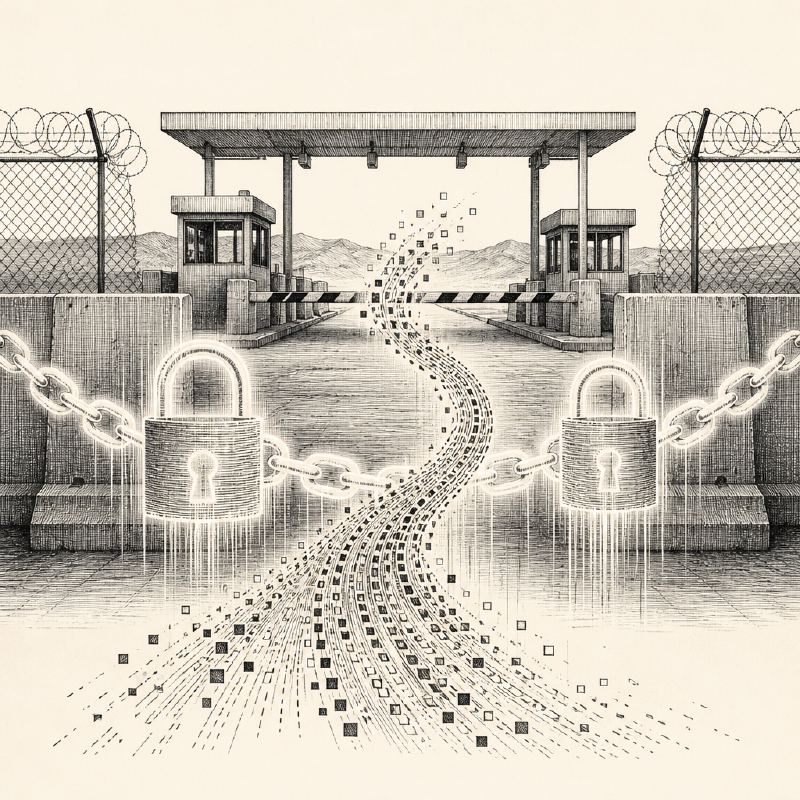
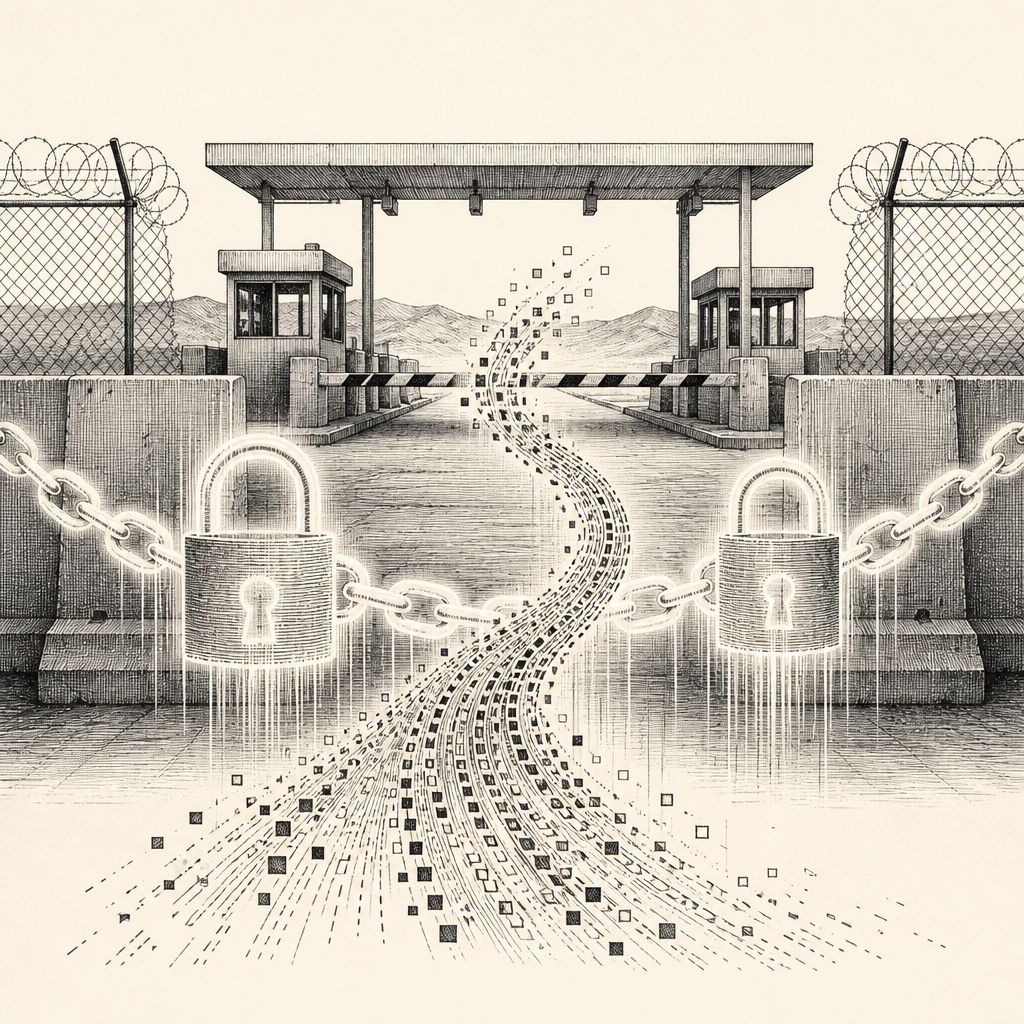
Independent security researcher Eaton Zveare has uncovered a series of critical vulnerabilities, dubbed 'God Mode' flaws, within the online visa and immigration systems of Nigeria, Ethiopia, Zambia, Sri Lanka, Fiji, and Ghana. These flaws could grant attackers unauthorized access to sensitive traveler data, including passport and biometric information, and in some cases, even allow them to manipulate administrative functions responsible for approving or denying entry into a country.
The vulnerabilities, which include common web security weaknesses such as broken object-level authorization (BOLA), broken function-level authorization (BFLA), and missing authentication, were found in systems used to process visa applications and authorize traveler entry. Zveare noted that many of these systems were developed by third-party contractors with varying levels of expertise, and in Nigeria's case, an over-reliance on AI in development may have contributed to the security gaps.
These findings highlight a significant failure in securing critical national infrastructure, with potentially severe consequences for international travel and national security. Zveare explained that the flaws could allow attackers not only to view the personal data of millions of travelers but also to approve or deny current visa applications, effectively giving them a 'master key' to a country's borders.
The discovery of these vulnerabilities began serendipitously when Zveare used a Bing search for "admin panel" and stumbled upon a private back-end portal for Nigeria. Further investigation revealed the extent of the security issues, prompting him to search for similar systems in other countries. His research identified a range of common but critical web flaws in the online passport and visa platforms of five additional nations.
In addition to compromising personal data, the 'God Mode' flaws could be exploited for more nefarious purposes. Zveare outlined a worst-case scenario where an attacker could track a high-profile individual by accessing their travel and personal details, potentially facilitating kidnapping or assassination attempts. The ability to know an individual's exact travel itinerary and accommodation details presents a significant threat.
Disclosing and remediating these vulnerabilities proved challenging due to the involvement of multiple foreign governments and third-party vendors. While some countries' Computer Emergency Response Teams (CERTs) were responsive, others failed to acknowledge the reports, necessitating Zveare to directly contact the system developers. Response times varied significantly, from a few days to over six months, though Zveare confirmed that most issues have now been resolved.
Zveare emphasized the importance of rigorous vetting of third-party contractors responsible for building and maintaining critical national infrastructure. The ease with which these vulnerabilities were discovered and exploited underscores the need for robust security practices and regular audits, especially for systems that manage national borders and traveler information.
Zveare is scheduled to present the technical details of these findings at Black Hat Europe on December 10th, under the title "God Mode at the Border," where he will further elaborate on the implications and the methods used to uncover these critical security weaknesses.