
GitHub Security Lab Unveils AI-Powered Fuzzing Pipeline
GitHub Security Lab introduces the Fuzzing Taskflow, an autonomous AI agent designed to automate the entire fuzzing process for C/C++ projects, from identifying entrypoints to triaging crashes.
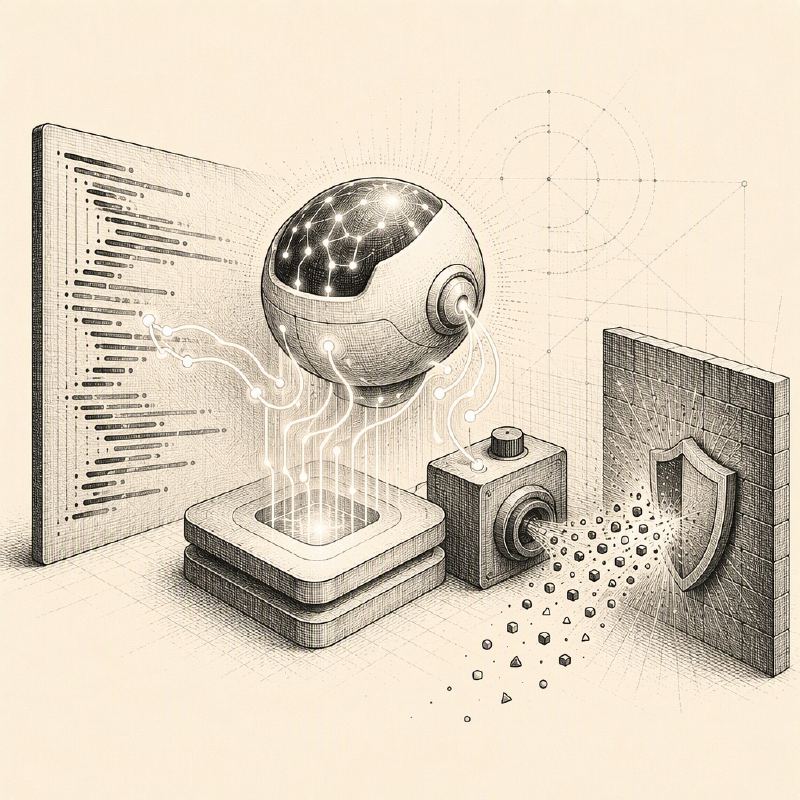
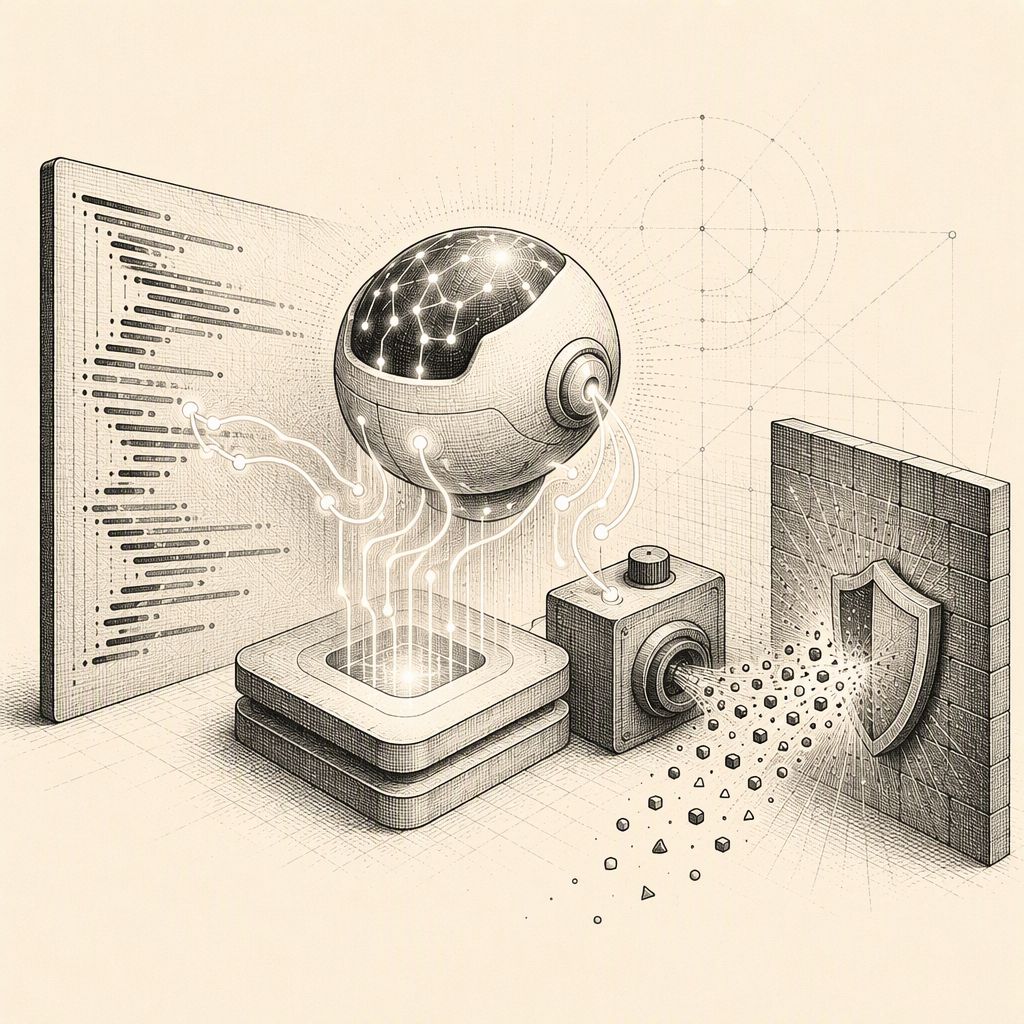
GitHub Security Lab has announced a significant advancement in software security testing with the introduction of the Fuzzing Taskflow. This innovative pipeline leverages an AI agent to autonomously handle the complex and time-consuming process of fuzzing C/C++ projects, aiming to reduce the human effort typically required to maintain effective fuzzing campaigns.
The Fuzzing Taskflow automates key stages of the fuzzing lifecycle. Upon being pointed to a GitHub repository, the AI agent undertakes tasks such as identifying suitable code entrypoints, analyzing the project's build system, writing necessary fuzzing harnesses, executing fuzzing tests using AFL++, analyzing coverage reports, and iteratively improving harnesses. Crucially, it also handles the triage of discovered crashes and generates vulnerability reports for unique bugs without direct human intervention.
Built upon the GitHub Security Lab Taskflow Agent framework, the pipeline is defined as a series of taskflows that the AI orchestrates. The system defaults to using Claude Sonnet 5 for its language model capabilities. Users can initiate a fuzzing campaign by cloning the taskflow repository and running a simple script, providing only the target repository slug as an argument. For example, running ./scripts/fuzzing/run_fuzzing.sh tukaani-project/xz would start the process for the specified project.
A critical warning accompanies the tool: it executes commands like afl-fuzz, clang, and arbitrary build commands directly on the host system without containerization. This means a compromised or misdirected agent could potentially execute malicious code. Therefore, users are strongly advised to run the Fuzzing Taskflow exclusively within isolated and disposable environments, such as GitHub Codespaces or throwaway virtual machines, and without elevated privileges.
The architecture is designed with a clear separation of responsibilities. A shell driver orchestrates the pipeline stages, while taskflow YAML files act as prompts guiding the LLM agent. The agent, in turn, calls upon a set of Machine Control Protocol (MCP) tools to perform specific actions like running AFL or compiling harnesses. The LLM makes the strategic decisions, while the tools execute the low-level operations, ensuring a robust and manageable system.
State management is handled via a SQLite database (fuzz_context.db), allowing stages to communicate indirectly without complex in-memory data passing. A notable detail in the process is that each harness is compiled twice: once for AFL++ with sanitizers for fuzzing, and again with coverage instrumentation for generating human-readable reports. This dual compilation allows for both efficient fuzzing and detailed analysis of code coverage.
The core innovation lies in the automated coverage feedback loop. The agent iteratively analyzes coverage reports generated from the .cov binaries. Based on uncovered branches, it can choose to craft new seeds, modify existing harnesses to call additional APIs, enrich the AFL dictionary with relevant constants, or decide to skip chasing certain code paths if they are deemed low-value. This mimics the manual process of improving fuzzing coverage but at an accelerated, automated pace.
This development represents a significant step towards more autonomous and efficient security testing. By offloading much of the manual labor involved in fuzzing to an AI agent, the Fuzzing Taskflow aims to help developers identify and fix vulnerabilities more quickly, ultimately contributing to a more secure software ecosystem. The iterative nature and feedback loop are designed to maximize the effectiveness of fuzzing campaigns, even for complex codebases.