
GitHub's npm Package Firewall Blocks New Versions and Malware Pre-Installation
GitHub introduces a package firewall for npm, inspecting packages against enterprise policies to block malware, critical vulnerabilities, and newly released versions before installation.
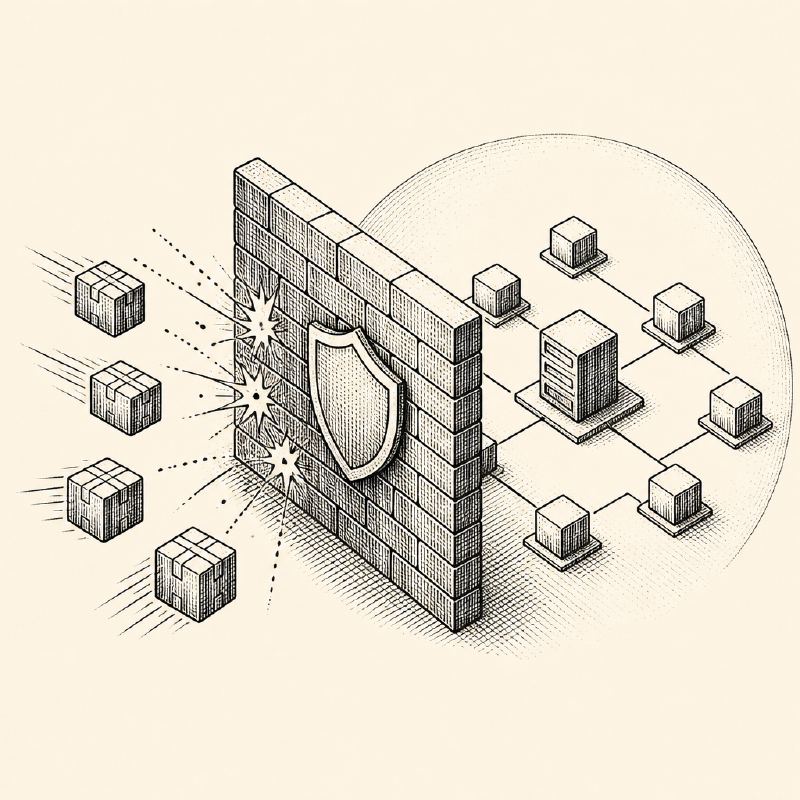
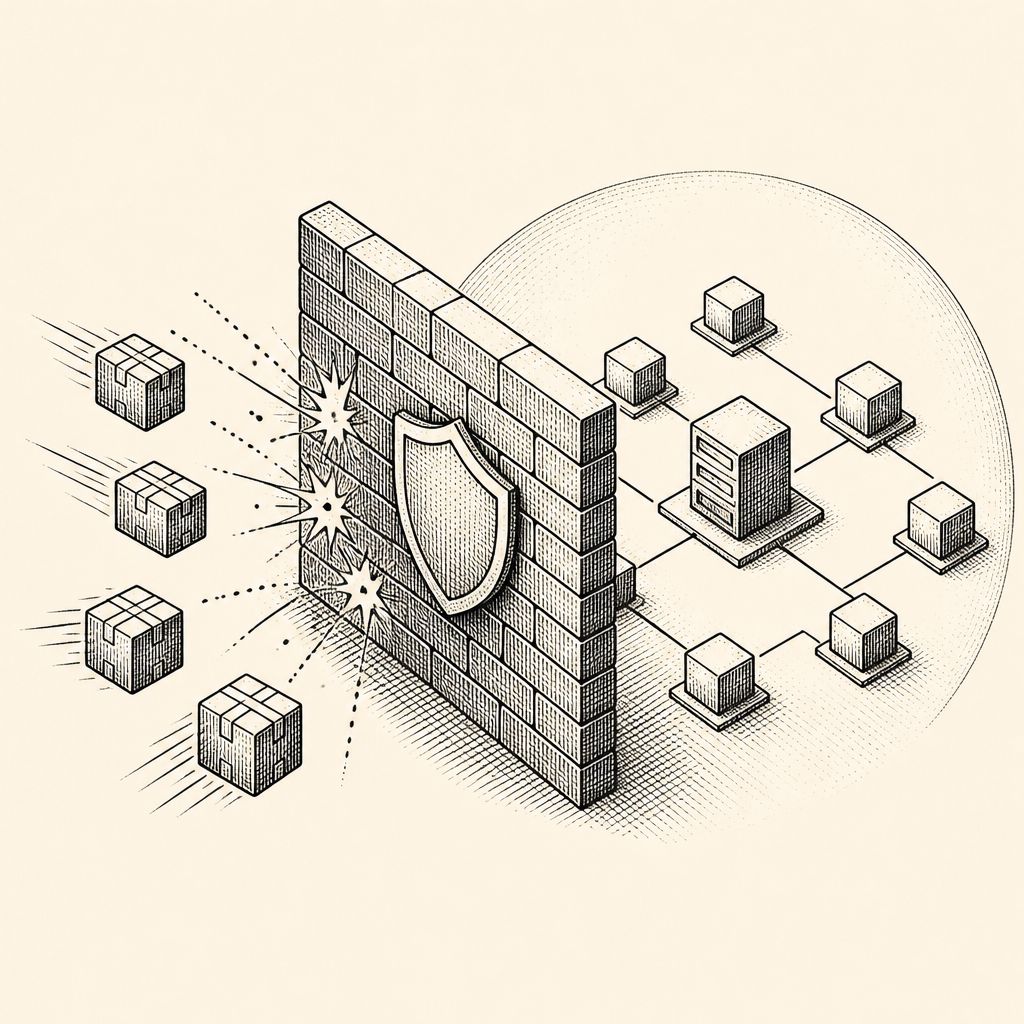
GitHub has rolled out a new security feature for its npm package registry: a package firewall designed to intercept and inspect packages against an enterprise's defined security policies before they are installed. This proactive measure aims to bolster software supply chain security by preventing malicious code, known vulnerabilities, and even brand-new package versions from reaching developer machines, build systems, or AI coding agents.
The firewall's functionality extends to blocking known malware and critical vulnerabilities, but it also includes a specific rule against newly released versions. According to a GitHub spokesperson, the determination of a 'new' version relies on the package metadata's release date, a responsibility that falls under the package manager's purview. Enterprises have the flexibility to customize these policies, including setting a 'soak time' or 'cool down period' for new releases before they are permitted.
This package firewall is part of a broader suite of four new security enhancements introduced by GitHub. These additions are designed to catch potential security issues earlier in the development lifecycle, especially as AI agents are increasingly used to accelerate software development. The goal is to provide developers with more robust tools to maintain security without significantly impeding their workflow.
Beyond the package firewall, GitHub has also enhanced its code scanning and vulnerability alerting capabilities. AI Scan, for instance, now checks pull requests for vulnerabilities in programming languages not typically covered by rule-based scanning, such as PHP, Shell, and COBOL. It can also perform on-demand scans of entire repositories, extending its reach to code that has already been merged.
Further integration with AI development tools is evident in the GitHub Security extension for the Copilot app. This extension analyzes a developer's changes before a pull request is even created. It pulls existing code scanning alerts and findings from AI Scan directly into the Copilot interface, allowing developers to address issues without needing to switch between different tools.
GitHub is also addressing the challenge of alert fatigue with its Dependabot alerts. A new 'reachability analysis' feature helps teams determine if a flagged vulnerable package is actually being used in their code by checking if the vulnerable function is called. This allows teams to inspect the call path and prioritize alerts more effectively, reducing the noise from non-critical vulnerabilities.
These new security features underscore GitHub's commitment to enhancing the security posture of the software development ecosystem. By providing tools that can block threats before they enter the development pipeline and offering more intelligent ways to manage vulnerabilities, GitHub aims to empower developers and organizations to build more secure software in an increasingly complex threat landscape.