
GitHub Leverages AI to Prevent Accidental Secret Pushes
GitHub is enhancing its push protection with an AI-powered classifier to detect and block the accidental submission of sensitive credentials to code repositories.
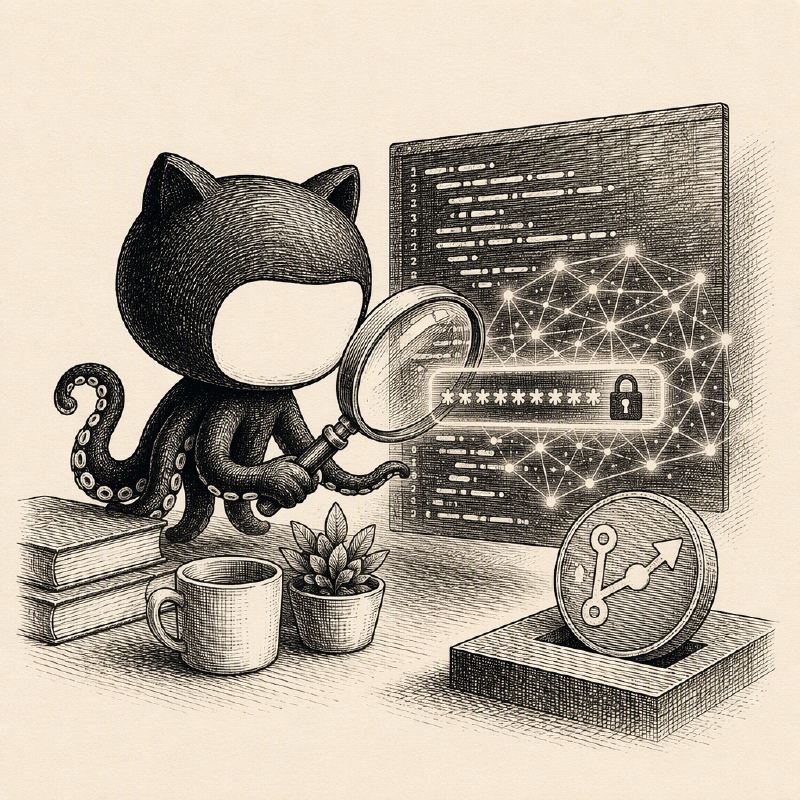
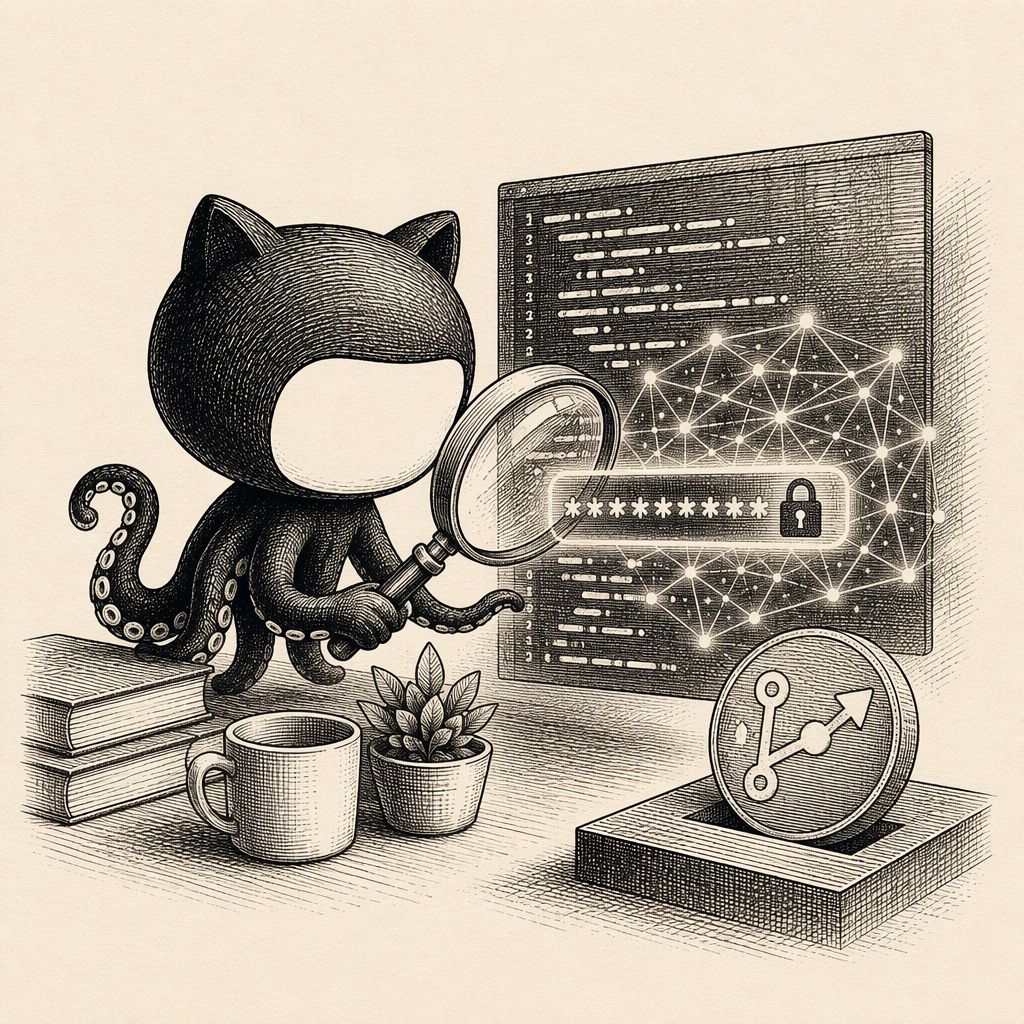
GitHub is bolstering its code security offerings by integrating an artificial intelligence-powered classifier designed to prevent developers from accidentally pushing sensitive secrets, such as passwords and API keys, into their code repositories. This new feature, developed in collaboration with Microsoft Applied Sciences, significantly expands GitHub's existing push protection capabilities.
The AI detector is built upon the ModernBERT model, a variant of the BERT language model known for its effectiveness in natural language processing tasks. Unlike previous push protection mechanisms that primarily relied on pattern matching and known secret formats, the new AI classifier can identify unstructured secrets embedded within surrounding code. This allows it to detect credentials that might not conform to standard formats but are still critical security risks.
Accidental exposure of secrets in code repositories is a common and dangerous security misstep. Once committed to a repository's history, these credentials can be accessed by unauthorized individuals, potentially leading to account compromise, data breaches, and further system exploitation. GitHub's push protection aims to act as a crucial gatekeeper, intercepting these secrets before they can enter the repository's permanent record.
The enhanced push protection works by analyzing code changes as a developer prepares to push them to a remote repository. The AI model scans the code for potential secrets, evaluating not just the format but also the context in which potential secrets appear. If the classifier identifies a high probability of a secret being present, it can block the push operation, alerting the developer to the issue and providing an opportunity to remove or secure the sensitive information.
This advancement moves beyond simple signature-based detection, which can be bypassed by slightly altering secret formats. By understanding the linguistic context of code, the AI can more accurately distinguish between legitimate code elements and accidental secret inclusions. This is particularly important for unstructured data or custom-formatted credentials that might evade traditional detection methods.
The integration of AI into this security feature underscores GitHub's commitment to improving developer workflows while simultaneously enhancing the security posture of the software development lifecycle. By providing developers with intelligent tools to prevent common security mistakes, GitHub aims to reduce the attack surface and mitigate the risks associated with credential exposure.
While specific details on the training data and performance metrics of the ModernBERT classifier have not been fully disclosed, the move signifies a broader trend in the cybersecurity industry towards leveraging AI and machine learning for proactive threat detection and prevention. This proactive approach is essential in combating the ever-evolving landscape of cyber threats and ensuring the integrity of codebases.