
GitHub Enhances Secret Detection with AI-Powered Model
GitHub Security Lab introduces an advanced AI model to significantly improve the accuracy and reduce false positives in detecting sensitive secrets within code repositories.
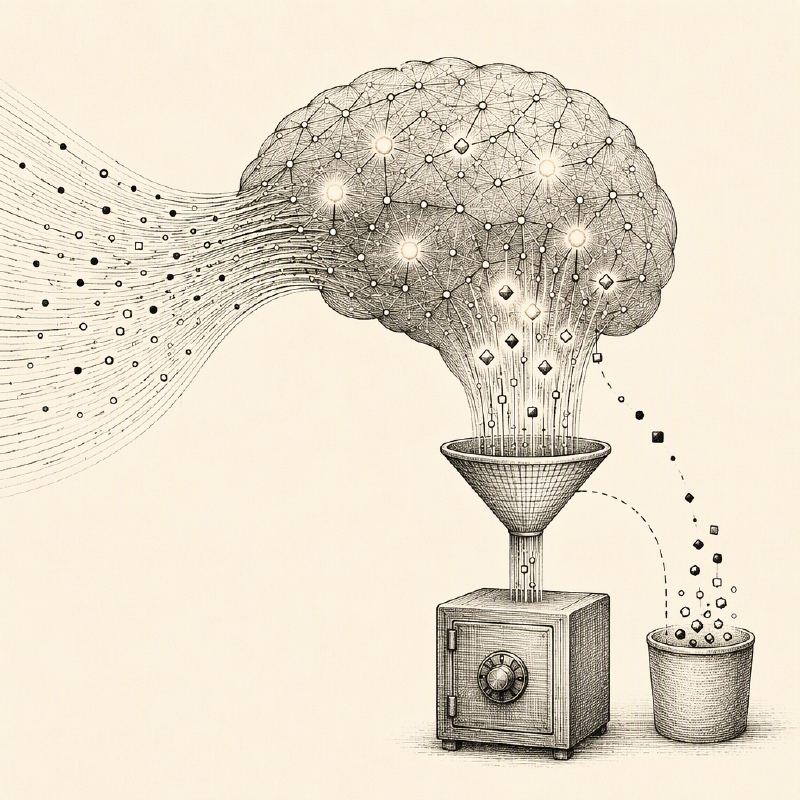
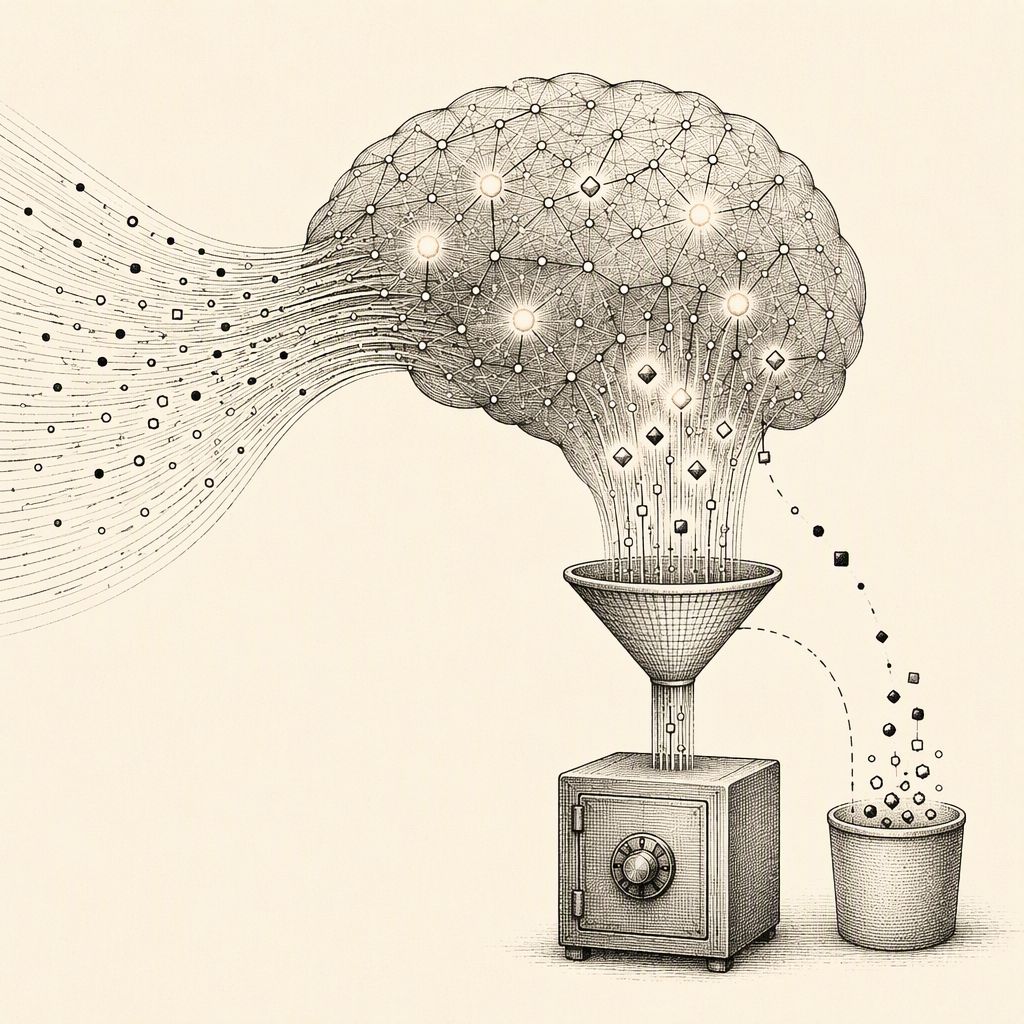
GitHub Security Lab has unveiled a new, sophisticated AI-powered model designed to revolutionize how secrets, such as API keys and credentials, are detected within code repositories. This innovative approach aims to address the persistent challenge of identifying sensitive information while minimizing the noise generated by false positives, a common issue with traditional pattern-matching methods.
The core of this advancement lies in machine learning. By training models on vast datasets of code, GitHub's system can learn to distinguish between legitimate code patterns and actual secrets with greater precision. This allows for a more nuanced understanding of context, enabling the detection of secrets that might be obfuscated or embedded in less obvious ways, thereby enhancing the overall security posture for developers and organizations.
Traditional secret scanning tools often rely on regular expressions, which can be brittle and prone to generating numerous false alarms. These false positives can lead to alert fatigue, causing developers to overlook genuine security threats. GitHub's new AI model, however, is designed to learn from these nuances, understanding that a string resembling a key might be a placeholder or a test value, rather than a production credential.
The implications of this enhanced detection capability are significant. Accidental exposure of secrets in public or even private repositories can lead to severe security breaches, unauthorized access, and financial losses. By providing more reliable and accurate secret detection, GitHub empowers developers to identify and remediate these risks proactively, safeguarding their projects and sensitive data.
This initiative aligns with GitHub's broader commitment to developer security and the secure development lifecycle. The platform continuously evolves its security features, integrating advanced technologies like AI to stay ahead of emerging threats and vulnerabilities. The goal is to make secure coding practices more accessible and less burdensome for developers.
While the article does not specify the exact machine learning architectures or training methodologies, it emphasizes the practical outcome: a more effective and less noisy secret detection system. This is crucial for maintaining trust and security in the collaborative coding environment that GitHub fosters.
This AI-driven enhancement is expected to be integrated into GitHub's existing security offerings, potentially improving features like push protection and code scanning. The focus on reducing false positives is particularly noteworthy, as it directly addresses a major pain point for security teams and developers alike, ensuring that critical alerts receive the attention they deserve.